
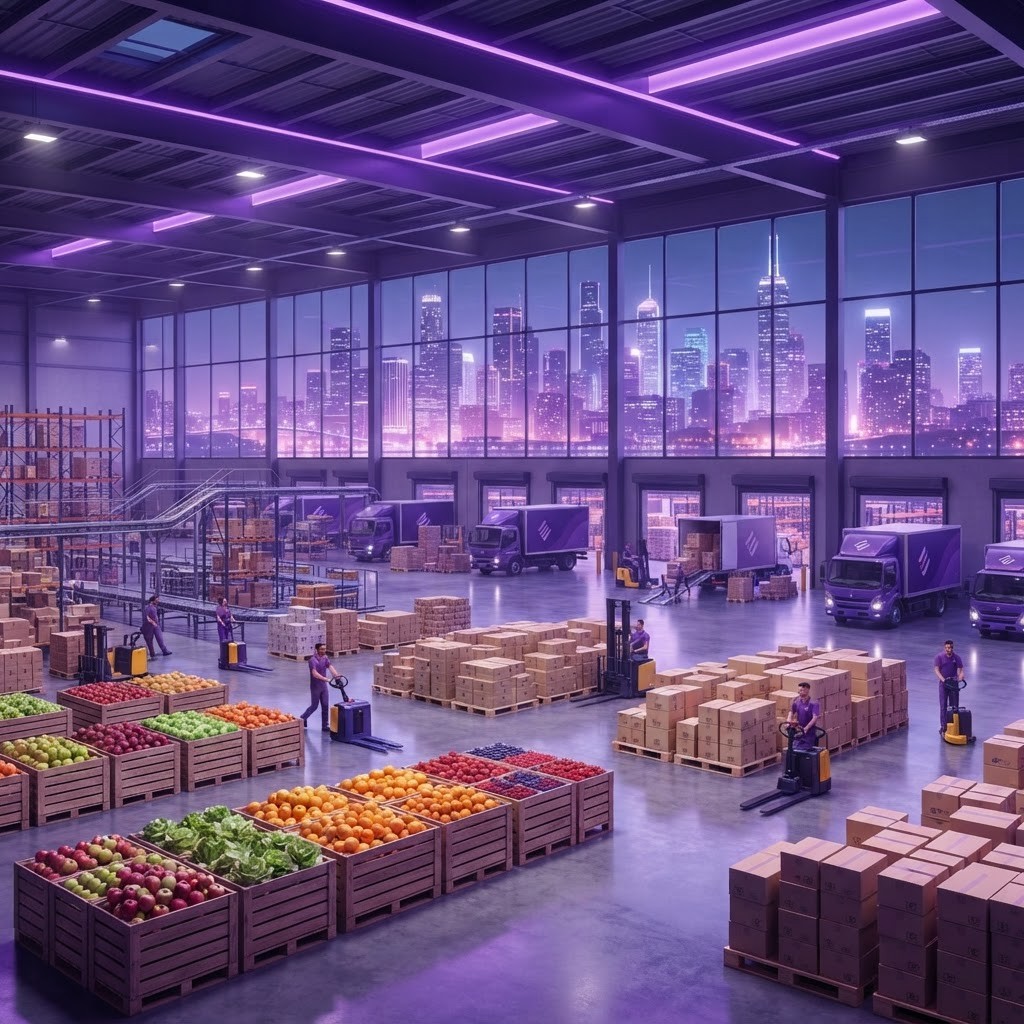
Dallas: A Central Hub for Food Distribution
Dallas sits at the crossroads of major highways and rail lines, making it a natural center for food distribution across the southern United States. The city's restaurants, grocery chains, schools, hospitals, and hospitality venues rely on a robust network of food wholesalers to keep kitchens stocked and shelves full. From fresh produce and premium proteins to dry goods and international specialty items, Dallas wholesalers cover the entire spectrum of the food supply chain.
The strength of the local market lies in its diversity. Whether a business needs farm-fresh vegetables, restaurant-grade meats, or ethnic ingredients for a specialty menu, there is a Dallas wholesaler equipped to deliver. Below are ten of the most respected food wholesalers serving the metroplex.
1. Trinity Fresh Foods
Trinity Fresh Foods is a leading full-line distributor known for its reliability and breadth of inventory. Serving independent restaurants and regional chains alike, the company offers everything from produce and dairy to frozen goods and paper products. Its temperature-controlled fleet ensures freshness from warehouse to kitchen.
2. Lone Star Produce Co.
Specializing in fresh fruits and vegetables, Lone Star Produce Co. works directly with regional farms and national growers to deliver seasonal, high-quality produce. Chefs value the company's consistency and its ability to source hard-to-find items on short notice.
3. Metroplex Meat Distributors
Metroplex Meat Distributors has earned a strong reputation among steakhouses and butcher shops for premium beef, poultry, and pork. Texas is famous for its beef, and this company upholds that legacy with rigorous quality standards and custom cutting services tailored to each client's specifications.
4. Dallas Restaurant Supply Group
This broad-line wholesaler focuses on the needs of food service operators, bundling ingredients with disposables, cleaning supplies, and kitchen essentials. Their one-stop model saves restaurant owners time and simplifies ordering, which is especially valuable for busy independent operators.
5. Rio Grande Specialty Imports
Rio Grande Specialty Imports caters to the region's vibrant culinary diversity, supplying Latin American, Mediterranean, and Asian ingredients. Their deep catalog of authentic spices, sauces, and hard-to-source staples makes them indispensable to ethnic restaurants and specialty grocers.
6. Big D Seafood Wholesale
Despite being inland, Dallas enjoys excellent seafood access thanks to companies like Big D Seafood Wholesale. Sourcing daily from the Gulf Coast and major fisheries, they deliver fresh fish and shellfish with impressive speed, supporting upscale restaurants and sushi bars across the metroplex.
7. Prairie Baking Supply
Prairie Baking Supply serves bakeries, cafes, and dessert-focused businesses with flours, sugars, chocolates, and specialty baking ingredients. Their bulk pricing and consistent quality help pastry chefs maintain the precision that baking demands.
8. Sunbelt Beverage Distributors
Focusing on non-alcoholic beverages, coffee, and juices, Sunbelt Beverage Distributors supplies cafes, offices, and convenience stores. Their portfolio spans mainstream brands and emerging craft beverages, giving retailers flexibility to meet evolving consumer tastes.
9. Heritage Organic Foods
Responding to growing demand for clean-label products, Heritage Organic Foods distributes certified organic produce, grains, and pantry items. Health-focused restaurants, juice bars, and natural grocers rely on the company for traceable, responsibly sourced ingredients.
10. Gulf Coast Frozen Foods
Rounding out the list, Gulf Coast Frozen Foods specializes in frozen proteins, vegetables, and prepared items. Their extensive cold-storage capacity and dependable logistics make them a trusted partner for high-volume operations that require consistent supply year-round.
What to Look for in a Food Wholesaler
Choosing the right food wholesaler goes beyond price. Reliability of delivery, food safety certifications, and product consistency are critical, especially for restaurants that depend on steady quality to satisfy repeat customers. Businesses should evaluate a distributor's cold-chain capabilities, ordering technology, and responsiveness to last-minute needs.
Many Dallas operators work with multiple wholesalers, pairing a broad-line distributor for staples with specialty suppliers for produce, seafood, or ethnic ingredients. This approach balances convenience with quality and provides a safety net if one supplier experiences a shortage.
Industry Trends in Dallas Food Distribution
The food wholesale industry in Dallas is being reshaped by technology and shifting consumer expectations. Online ordering platforms, real-time inventory tracking, and route optimization are improving efficiency and reducing waste. At the same time, demand for local, organic, and sustainably sourced products continues to climb, pushing wholesalers to expand their offerings.
Labor and transportation costs remain ongoing challenges, but Dallas's central location and strong logistics infrastructure help local distributors stay competitive. For restaurants, grocers, and food service businesses, building strong relationships with dependable wholesalers is essential to navigating these dynamics. The ten companies profiled above stand out for their quality, service, and commitment to keeping the metroplex well fed.
The Economic Impact of Food Wholesale in Dallas
Food wholesale is more than a convenience for local businesses; it is a significant economic engine for the region. The industry supports thousands of jobs across warehousing, transportation, sales, and food safety, and it keeps money circulating within the local economy. When a Dallas restaurant sources from a regional distributor, the benefits ripple outward to drivers, warehouse staff, and even the farms and producers that supply the wholesalers.
The sector also strengthens the region's food security. A dense, competitive network of wholesalers means that businesses are rarely dependent on a single source, which helps buffer against disruptions caused by weather, transportation delays, or shifts in global supply. For entrepreneurs launching new food ventures, this mature ecosystem lowers the barrier to entry and makes it easier to scale. It is one of the reasons Dallas continues to attract restaurateurs, grocers, and food innovators from across the country.