
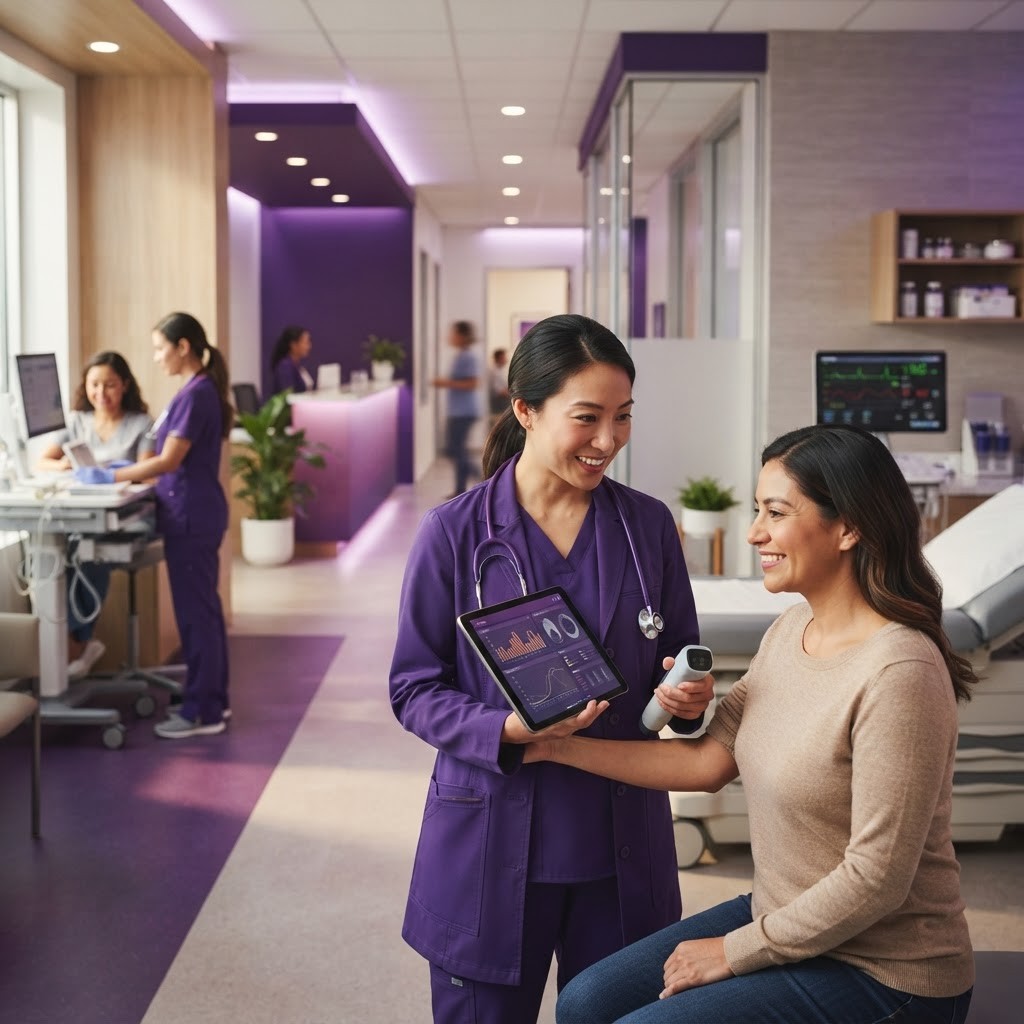
Community Healthcare Excellence in Central African Republic
Clinics represent essential healthcare delivery points serving communities with accessible medical services, preventive care, chronic disease management, and health education. These community-based facilities complement hospital services, providing frontline healthcare reducing unnecessary hospitalizations and improving health outcomes.
Leading clinics maintain professional standards, qualified healthcare providers, and modern equipment delivering quality care in accessible environments. Clinic operations emphasize efficiency, affordability, and patient responsiveness making healthcare available to broader populations than hospital-dependent systems alone.
Primary Care Services
Clinics provide comprehensive primary care services including acute illness treatment, chronic disease management, health assessments, medication prescriptions, and health counseling. Primary care physicians manage common conditions, provide preventive care, and coordinate specialist referrals when needed.
Quality primary care reduces emergency department burdens, improves health outcomes through early intervention, and provides cost-effective healthcare relative to emergency and hospital-based care. Accessible primary care strengthens health systems and supports population health.
Preventive Medicine and Health Promotion
Progressive clinics emphasize preventive services including vaccinations, health screenings, health education, and lifestyle counseling preventing disease and promoting wellness. Preventive services reduce healthcare costs while improving population health and quality of life.
Health promotion activities educate patients about nutrition, exercise, stress management, and disease prevention. Clinic staff serve as health educators helping patients understand health risks and adopt protective behaviors.
Maternal and Child Health Services
Community clinics provide maternal health services including prenatal care, family planning, post-natal care, and reproductive health services supporting healthy pregnancy and childbirth. Child health services address growth monitoring, vaccination, developmental assessment, and pediatric acute care.
Maternal and child health programs contribute meaningfully to reducing maternal and infant mortality, improving child nutrition, and supporting healthy family development. Clinics provide accessible services addressing healthcare needs during critical life periods.
Chronic Disease Management
Clinics manage chronic conditions including diabetes, hypertension, respiratory diseases, and infectious diseases through ongoing monitoring, medication management, and patient education. Chronic disease programs prevent complications and improve quality of life for affected populations.
Disease-specific clinics address particular conditions, providing specialized expertise and coordinated care management. Chronic disease programs emphasize patient education, adherence support, and lifestyle modification enabling patient self-management.
Minor Surgical Procedures and Wound Care
Many clinics provide minor surgical procedures including suturing, abscess drainage, minor wound repairs, and skin procedures avoiding unnecessary hospital referrals. Clinic surgical capabilities address common procedures efficiently in outpatient settings.
Wound care services including dressing changes, infection management, and healing assessment support recovery from injuries and surgical complications. Professional wound care expertise prevents complications and optimizes healing outcomes.
Diagnostic Services and Laboratory Testing
Clinics maintain laboratory capabilities for blood testing, urinalysis, and rapid diagnostic testing supporting clinical decision-making. On-site testing enables rapid diagnosis and same-day treatment initiation improving efficiency.
Some clinics provide imaging services including ultrasound reducing referral necessity and enabling accessible diagnostic services. Diagnostic capability enhances clinic service comprehensiveness and patient convenience.
Pharmacy Services and Medication Management
On-site pharmacy services provide convenient medication access, ensuring proper dispensing, patient education about medications, and adherence support. Pharmacy staff counsel patients about appropriate medication use and potential side effects.
Clinic pharmacists collaborate with physicians regarding medication selection, interactions, and patient-specific considerations ensuring safe, effective medication therapy. Medication management services improve treatment adherence and health outcomes.
Mental Health and Counseling Services
Progressive clinics provide mental health services, counseling, and psychological support addressing mental health conditions and psychosocial concerns. Mental health integration into primary care reduces stigma and improves mental health accessibility.
Trained counselors and mental health professionals provide evidence-based therapies, psychoeducation, and crisis support. Mental health services address anxiety, depression, stress-related conditions, and other psychological concerns.
Infectious Disease and Immunization Services
Clinics provide vaccination services, infectious disease diagnosis and management, and health education about disease transmission and prevention. Immunization programs prevent vaccine-preventable diseases through age-appropriate vaccination schedules.
Infectious disease expertise addresses treatment and management of common infections ensuring appropriate antibiotic therapy and preventing resistance. Clinic services support public health goals and individual patient health.
Health Education and Patient Support
Clinics emphasize patient education, health literacy, and empowerment enabling patients to understand conditions, make informed decisions, and participate actively in treatment. Educational materials, counseling, and support groups enhance health knowledge and self-management.
Clinic staff serve as health educators and patient advocates ensuring understanding of diagnoses, treatments, and health recommendations. Patient engagement improves adherence and health outcomes.
Occupational Health and Workplace Medicine
Many clinics serve workplace health needs including occupational health assessments, injury management, health screenings, and workplace health promotion. Occupational health services address work-related health concerns and support healthy work environments.
Workplace health programs enhance worker health, reduce absenteeism, and improve productivity. Clinics contribute to occupational health through screening, treatment, and hazard assessment services.
Accessibility and Patient Convenience
Community clinics emphasize accessibility through convenient locations, extended hours, affordable pricing, and flexible appointment scheduling accommodating diverse patient needs and work schedules. Accessibility removes barriers to healthcare utilization.
Clinic environments prioritize patient comfort, privacy, and dignity. Patient-centered approaches emphasize respect, responsiveness, and attention to patient preferences and concerns.
Quality Improvement and Continuous Learning
Leading clinics maintain quality improvement initiatives, conduct regular audits, collect patient feedback, and implement improvements enhancing service quality and efficiency. Continuous learning culture supports staff development and organizational excellence.
Conclusion
Central African Republic's leading clinics provide accessible, quality healthcare serving communities and supporting population health. These facilities remain essential healthcare infrastructure delivering frontline services, preventing disease, and managing health conditions improving population wellbeing and quality of life.