
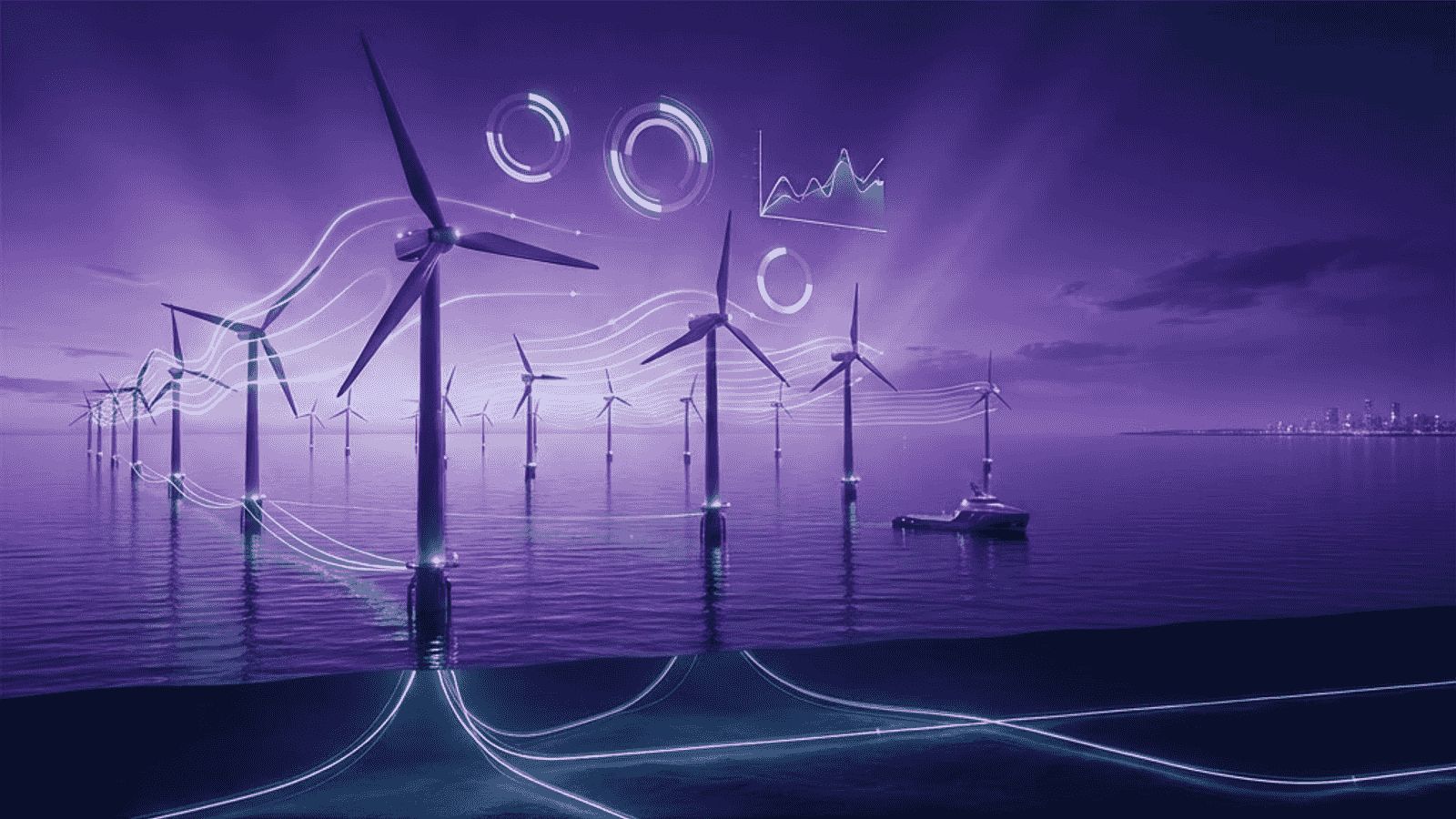
Offshore Wind and the Virginia Beach Coast
Virginia Beach occupies a rare position in American offshore wind. The Commonwealth's flagship offshore project lies off its coast, with export cables making landfall within the city and connecting to onshore infrastructure that feeds the regional grid. The reason this location works is largely geographic: nearby port facilities offer deepwater access with no overhead bridge obstructions, allowing fully assembled turbine components and specialized installation vessels to transit freely. Combine that with a maritime workforce experienced in shipbuilding, ship repair, and heavy marine operations, and Hampton Roads becomes one of the few places on the East Coast able to serve as a genuine staging and manufacturing hub rather than merely a project site.
How These Companies Were Selected
Evaluation considered direct involvement in projects affecting Virginia Beach and the surrounding waters, technical and manufacturing contribution, marine and logistics capability, workforce development in Hampton Roads, safety performance in a demanding offshore environment, and long-term commitment to the regional supply chain. The list includes developers, turbine and component manufacturers, marine contractors, and specialized service providers, because offshore wind is a system rather than a single product.
The Top 10 Wind Energy Companies Serving Virginia Beach
1. Dominion Energy
As developer and owner of the region's flagship offshore wind project, Dominion Energy is the central actor in Virginia's wind story. Its scope covers permitting, offshore construction management, onshore interconnection, and long-term operations, along with the shoreside facilities that support ongoing maintenance activity.
2. Siemens Gamesa Renewable Energy
A leading offshore turbine manufacturer with expanding Hampton Roads activity, Siemens Gamesa supplies the machines and components at the heart of regional projects while contributing to advanced manufacturing employment and technician training in the area.
3. Ørsted
One of the world's most experienced offshore wind developers, Ørsted has helped establish East Coast operating practices, supplier qualification standards, and vessel strategies that Virginia projects and contractors have adopted and adapted.
4. Vestas
A global turbine manufacturer with substantial offshore experience, Vestas influences the technology landscape through turbine platforms, blade engineering, and service organizations that shape long-term maintenance models for large arrays.
5. GE Vernova
With offshore turbine technology and grid equipment capability, GE Vernova participates across generation and transmission, supplying the high-voltage components and controls that connect offshore output to onshore networks.
6. Dominion Energy Marine Installation Operations
The purpose-built installation vessel program supporting mid-Atlantic offshore wind represents a major domestic capability, enabling Jones Act compliant turbine installation and creating skilled mariner and technician positions based in the region.
7. Regional Marine Construction and Cable Contractors
Hampton Roads marine contractors provide dredging, foundation support, cable landing, horizontal directional drilling, and vessel services. Their local knowledge of channels, permits, and coastal conditions is essential to construction schedules.
8. Fabrication and Ship Repair Enterprises of Hampton Roads
The region's established steel fabrication, welding, and ship repair companies supply structural components, secondary steel, and vessel modifications for offshore work, converting existing maritime industrial capacity into wind supply chain revenue.
9. Offshore Survey, Geotechnical, and Environmental Consultancies
Firms performing seabed surveys, geotechnical investigation, benthic and avian studies, and environmental compliance monitoring make permitting and responsible construction possible, and their work continues throughout the operating life of a project.
10. Operations, Maintenance, and Technician Training Providers
Long after construction, offshore arrays require continuous maintenance. Regional operations and maintenance contractors, crew transfer vessel operators, and safety training organizations delivering globally recognized wind technician certifications sustain the industry's durable employment base.
Trends Shaping Wind Energy in 2026
Turbine capacity continues to grow, reducing the number of units needed per project while increasing the size and complexity of installation equipment. Domestic supply chain development has become a policy and commercial priority, favoring regions with port depth and industrial capacity. Operations and maintenance is emerging as the largest long-term employment category, shifting attention from construction peaks to steady service work. Grid integration and transmission planning have become the pacing constraint for new capacity. Finally, coexistence with fishing, shipping, and defense operations remains an ongoing coordination effort that shapes project design.
What This Means for the Local Economy
Offshore wind brings a distinctive employment profile to Virginia Beach and its neighbors. Demand spans wind turbine technicians, high-voltage electricians, welders and fabricators, riggers, crane operators, vessel crews, surveyors, project controls professionals, and environmental specialists. Because maintenance continues for decades, these roles are less cyclical than typical construction work. Regional community colleges and specialized training centers have added credential programs aligned to industry safety and technical standards, creating accessible pathways for veterans and maritime workers.
Considerations for Businesses Entering the Supply Chain
Suppliers seeking offshore work should prepare for rigorous qualification. Expect requirements around safety management systems, quality certification, welding procedure qualification, insurance and bonding levels, and documented training records. Long lead times and strict schedule discipline are normal, and penalties for delay can be significant. Companies that invest early in certification, safety culture, and workforce credentials position themselves far better than those waiting for contracts to appear.
Final Thoughts
Wind energy has shifted from proposal to working industry along the Virginia Beach coast, supported by a developer with scale, manufacturers investing regionally, and a maritime supply chain with genuine capability. For residents, it means new career pathways. For businesses, it means qualification requirements worth meeting. For the region, it means an energy asset that will require skilled local labor for decades to come.