
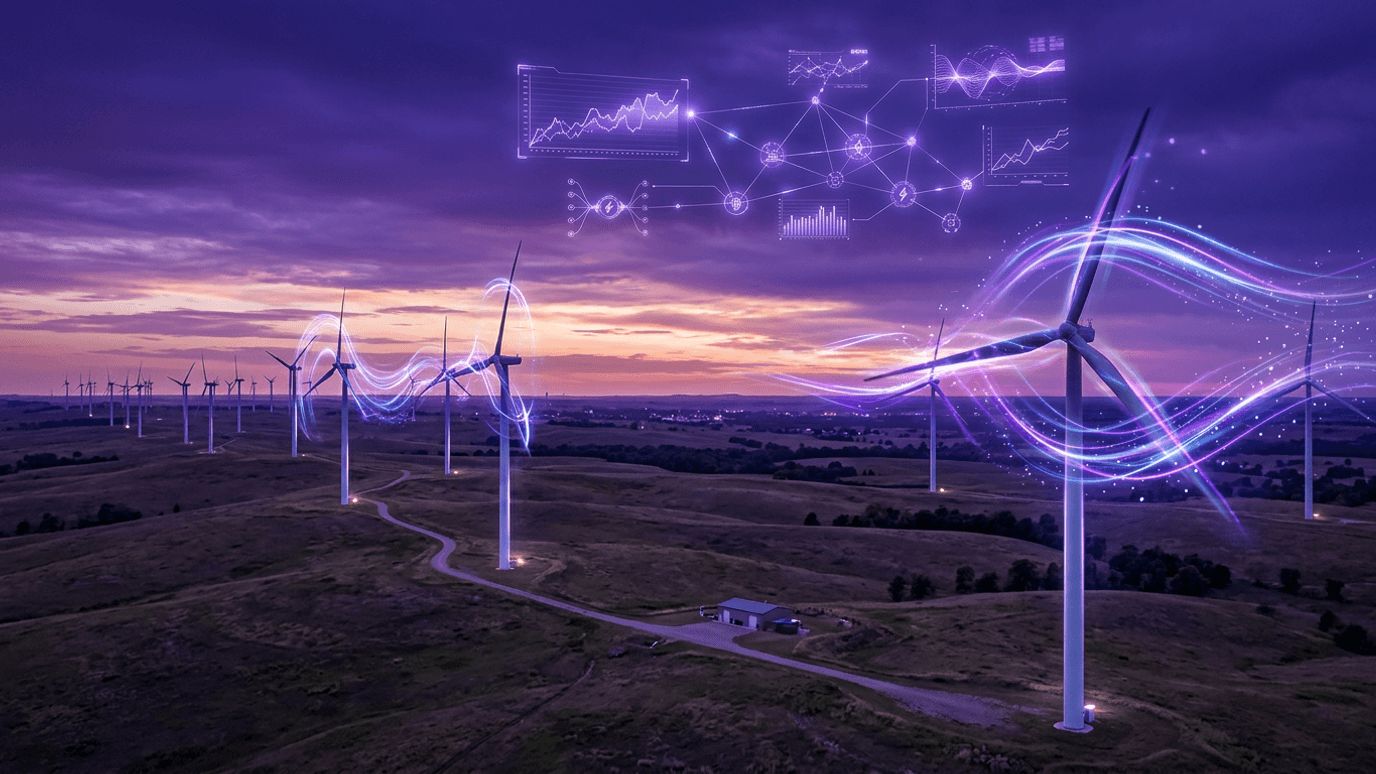
Kansas Wind and the Capital City
Kansas ranks among the top states in the nation for wind energy production, and wind has become one of the state's largest sources of electricity. Steady winds across the plains and the Flint Hills create ideal conditions for large turbines, and wind farms now dot the landscape in many parts of the state.
Topeka plays a central role in this story. The Kansas Corporation Commission, which oversees utility regulation, is based in the capital, and major utility and cooperative operations are headquartered or have significant presence there. Decisions made in Topeka influence how wind power is built, transmitted, and priced across Kansas.
How We Selected These Companies
We considered wind developers, turbine manufacturers, utilities, and grid organizations with meaningful impact on Kansas and the Topeka region. Factors included project scale, reliability, community engagement, and long-term commitment to the state. This guide is informational and not a paid endorsement.
The Top 10 Wind Energy Companies for Topeka
1. Evergy
Evergy, the electric utility serving Topeka, owns and contracts with numerous Kansas wind farms. Wind energy has become a significant part of its generation mix, helping lower emissions while keeping power affordable for customers.
2. NextEra Energy Resources
NextEra is a global leader in wind generation with multiple projects in Kansas. Its scale and operating expertise make it one of the most influential wind companies in the region.
3. Invenergy
Invenergy develops and operates large wind farms across the Plains, including in Kansas. The company is known for strong landowner partnerships and long-term operations.
4. Enel Green Power
Enel Green Power runs several Kansas wind projects and strengthened its local presence by acquiring Tradewind Energy, a developer with deep Kansas roots. Its projects supply power to utilities and corporate buyers.
5. EDF Renewables
EDF has developed wind projects in Kansas and brings international renewable energy experience to the region. It also offers storage and distributed energy solutions.
6. Apex Clean Energy
Apex develops utility-scale wind facilities and has been active in Kansas and surrounding states. Its projects bring investment to rural counties and clean energy to the regional grid.
7. GE Vernova
GE Vernova manufactures many of the onshore wind turbines installed across the United States. Its turbines and service teams help keep Kansas wind farms productive and reliable.
8. Vestas
Vestas is one of the world's largest wind turbine manufacturers and service providers. Its turbines operate in wind farms across the Plains, and its technicians support maintenance and performance upgrades.
9. Southwest Power Pool
Southwest Power Pool is the regional transmission organization that manages the grid across Kansas and neighboring states. It coordinates the integration of large amounts of wind power, making it essential to the success of Kansas wind.
10. Kansas Electric Power Cooperative
Based in Topeka, Kansas Electric Power Cooperative provides wholesale power to rural cooperatives and includes wind resources in its portfolio, bringing renewable energy benefits to rural communities around the capital.
Wind Energy Trends in Kansas
Repowering older wind farms with modern turbines is increasing output from existing sites. Transmission expansion is a major focus, as new lines are needed to move wind power from rural areas to population centers. Battery storage and hybrid wind-solar projects are helping smooth variability. Wind also provides valuable lease payments to Kansas landowners and tax revenue to rural counties, strengthening local economies.
What Wind Energy Means for Topeka Residents
For most Topeka households, wind power arrives through the utility rather than a backyard turbine. Customers benefit from a cleaner grid and, in many cases, more stable long-term energy costs. Businesses can participate in renewable programs to meet sustainability goals, and students at local colleges can pursue growing careers in wind technology and grid management.
The Economic Impact of Wind Power in Kansas
Wind energy has become a significant economic engine for Kansas. Construction of a single wind farm can employ hundreds of workers, and once operational, each project supports permanent jobs for technicians, managers, and support staff. Landowners receive lease payments that provide stable income alongside traditional farming and ranching, helping family operations weather volatile commodity prices.
Counties hosting wind farms often receive payments that fund schools, roads, and emergency services. The industry also supports suppliers, from concrete and steel providers to trucking companies that transport massive turbine components across the state. Community colleges in Kansas offer wind technology programs, preparing students for well-paying careers that do not require leaving the state.
For Topeka, the benefits are both direct and indirect. Regulatory, legal, engineering, and financial professionals in the capital support wind development, while consumers enjoy a grid increasingly powered by home-grown energy.
Final Thoughts
Wind energy is one of Kansas's greatest economic and environmental assets. The companies above are building, operating, and integrating that power, ensuring Topeka and the rest of the state benefit from the steady winds that sweep across the plains.