
Suffolk and the Offshore Wind Revolution
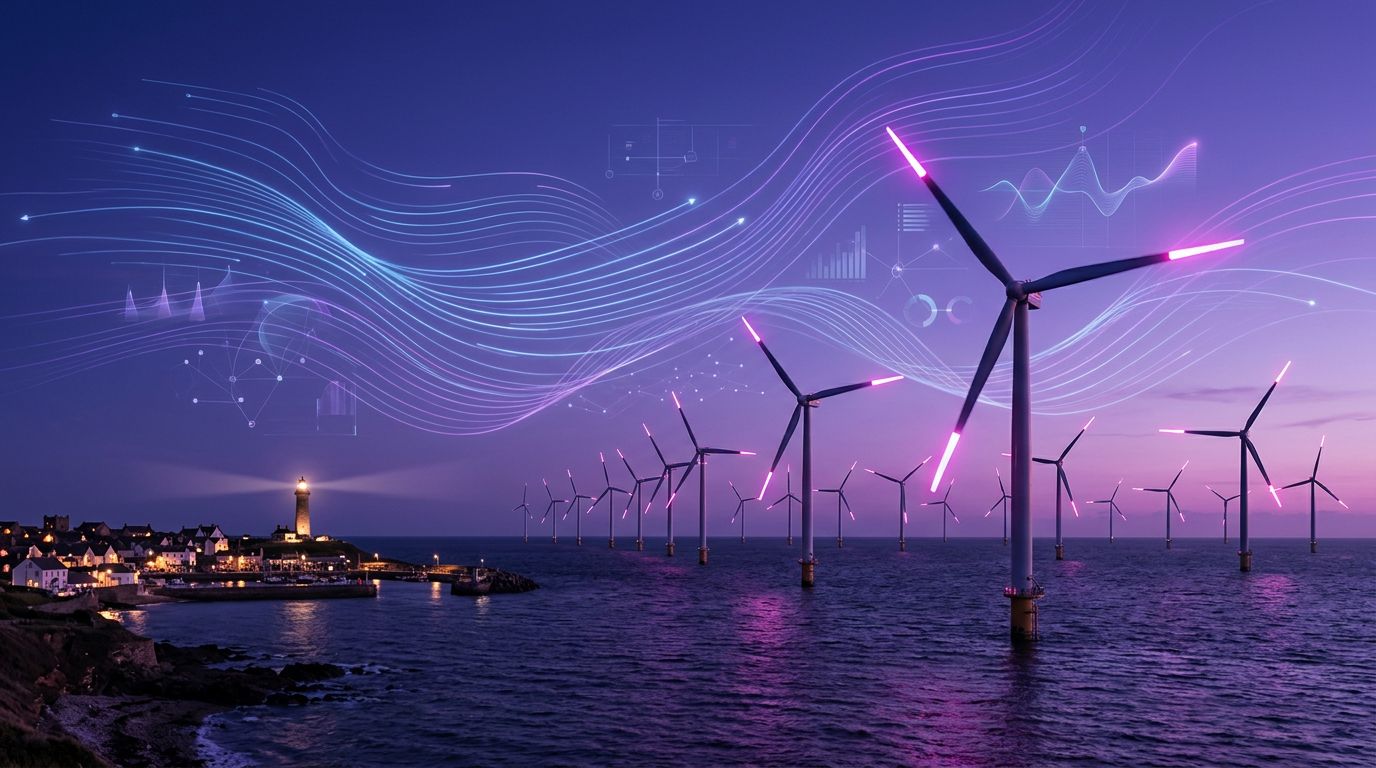
Look out to sea from Lowestoft, Southwold or Felixstowe and you may glimpse the turbines that make Suffolk a centre of the UK's offshore wind industry. The southern North Sea offers shallow waters, strong winds and proximity to major grid connections, making it ideal for large-scale developments. Lowestoft, once famed for fishing, now hosts operations and maintenance bases where technicians and crew transfer vessels head out daily to service turbines.
This transformation has created skilled jobs, revitalised port infrastructure and attracted engineering, marine and logistics firms. It has also sparked important conversations about onshore cabling, substations and community benefit. The following companies are central to Suffolk's wind energy story.
How We Selected These Companies
We considered direct involvement in projects off the Suffolk coast, local operational presence, contribution to the supply chain, technology leadership and investment in skills.
The Top 10 Wind Energy Companies in Suffolk
1. ScottishPower Renewables
ScottishPower Renewables leads the East Anglia offshore wind programme. Its operations and maintenance base in Lowestoft is one of the most significant clean energy facilities in the region, supporting long-term employment and apprenticeships.
2. RWE
RWE has interests in the Galloper offshore wind farm off the Suffolk coast and is one of the UK's largest renewable generators. Its operations expertise and investment pipeline make it a key regional player.
3. SSE Renewables
SSE Renewables has been closely associated with the Greater Gabbard offshore wind farm, one of the early large-scale projects off Suffolk, and continues to contribute to the region's generation capacity.
4. Vattenfall
Vattenfall played an important role in developing East Anglian offshore wind and brings deep experience in project development, grid connection and large-scale construction.
5. Siemens Gamesa Renewable Energy
Siemens Gamesa is one of the world's leading offshore turbine manufacturers. Its turbines power projects in the southern North Sea, and its service teams support performance and reliability throughout their operational life.
6. Vestas
Vestas is a global wind turbine manufacturer whose technology is used across UK offshore projects. Its service capabilities and innovation in larger, more efficient turbines influence the future of wind generation off Suffolk.
7. Associated British Ports
Associated British Ports operates the Port of Lowestoft and has invested in facilities to support offshore wind operations. Quayside space, berths and logistics are critical to keeping wind farms running smoothly.
8. Windcat Workboats
Windcat is a well-known operator of crew transfer vessels that carry technicians to offshore turbines. Such specialist marine services are essential to daily operations on the Suffolk coast.
9. James Fisher and Sons
James Fisher provides marine engineering, subsea and offshore support services. Its expertise assists with inspection, maintenance and specialist marine operations across UK wind farms.
10. OrbisEnergy
OrbisEnergy in Lowestoft is an innovation and enterprise centre dedicated to offshore renewable energy. It hosts businesses, supports start-ups and connects the supply chain, making it a vital hub for the county's wind sector.
Wind Energy Trends in Suffolk
Turbines are growing larger and more powerful, meaning fewer foundations generate more electricity. Operations and maintenance contracts now span decades, giving Lowestoft a stable industrial future. Digital monitoring, drones and predictive maintenance are improving efficiency. The sector is also working on coordinated offshore grid solutions to reduce onshore disruption, a key concern for coastal communities.
Opportunities for Local Businesses and Workers
Suffolk firms can benefit through engineering, fabrication, marine services, catering, logistics and training. Colleges in Lowestoft and Ipswich offer wind turbine technician courses and apprenticeships, often in partnership with developers. Supplier registration programmes and regional business networks are good starting points for companies seeking contracts.
Lowestoft's Transformation
Lowestoft's journey from fishing port to offshore wind hub is one of the most striking economic stories in the East of England. Former quayside sites now host operations and maintenance facilities, crew transfer vessels and engineering workshops. The town's training providers have developed specialist courses in sea survival, working at height and turbine maintenance, and many technicians now live locally, supporting shops, housing and services across the Waveney area.
Frequently Asked Questions
How long do offshore wind farms operate?
Modern offshore wind farms are typically designed for operational lives of twenty-five years or more, with maintenance contracts and potential repowering extending their contribution further.
What jobs are available in Suffolk's wind sector?
Roles include turbine technicians, marine crew, engineers, project managers, logistics coordinators and environmental specialists, with apprenticeships offering an accessible entry route.
Environmental Considerations
Offshore wind developers in the southern North Sea work closely with regulators and conservation groups to protect marine life and seabirds. Environmental surveys shape turbine layouts, construction timings are planned around sensitive species, and monitoring continues throughout a project's life. Onshore, developers seek to minimise disruption to the Suffolk Coast and Heaths National Landscape by careful cable routing and habitat restoration. Balancing clean energy generation with protection of the county's precious coastal environment remains a central priority for the industry and local communities alike.
Conclusion
Wind energy is reshaping Suffolk's coastline and economy. The developers, manufacturers, port operators and innovation hubs listed above are helping turn the county into a global leader in offshore renewables while creating long-term opportunities for local people.