
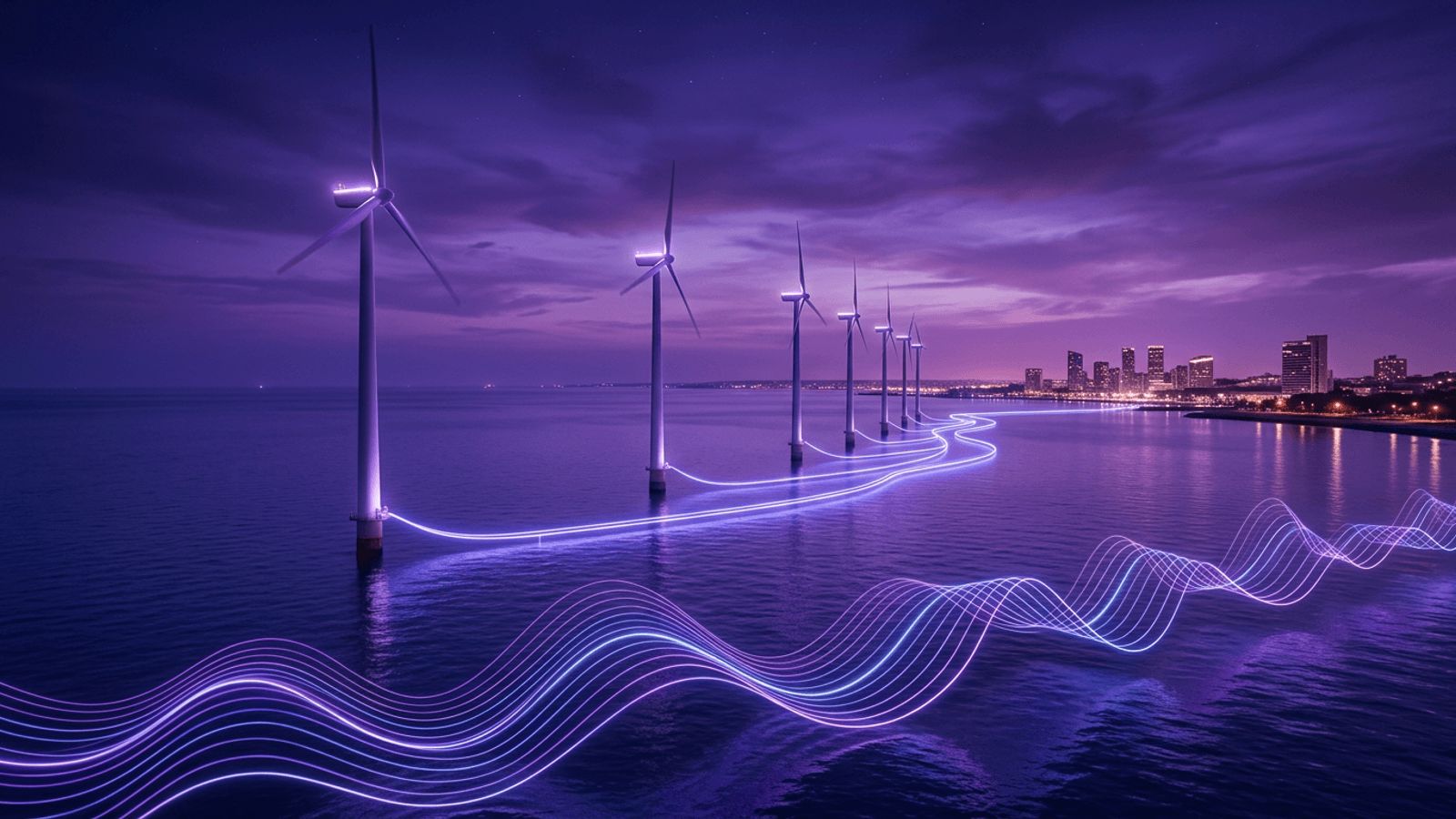
Wind Energy and the Stamford Region
Stamford's position along Long Island Sound places it near one of the most promising offshore wind regions in the United States. While wind turbines are not built within city limits, wind energy matters to Stamford because it influences the electricity supply, regional jobs, port investments, and Connecticut's clean energy goals. Offshore wind projects off southern New England have been supported by state procurements, and Connecticut ports such as New London have been upgraded to support turbine assembly and logistics.
Below are ten companies and organizations shaping wind energy for Stamford and the broader region.
Understanding the Wind Energy Industry
The wind sector includes project developers, turbine manufacturers, utilities that purchase power, port authorities, and specialized engineering and construction firms. Offshore wind projects require years of planning, permitting, and investment before producing electricity.
The Top 10 Wind Energy Companies Relevant to Stamford
1. Ørsted
Ørsted is the global leader in offshore wind development. It has advanced projects serving Connecticut and Rhode Island and has invested in Connecticut port infrastructure. Its experience across Europe and the United States makes it a central player in regional wind energy.
2. Eversource
Eversource, the utility serving Stamford, was formerly a partner in major offshore wind projects in the Northeast. It continues to play a key role in transmission, grid interconnection, and delivering renewable power to customers.
3. Avangrid
Avangrid is one of the largest wind energy operators in the United States, with a substantial onshore wind portfolio. It has been involved in offshore wind development off New England and has deep ties to Connecticut through United Illuminating.
4. Equinor
Equinor is a Norwegian energy company developing offshore wind off the coast of New York. Its projects affect the regional power market serving the New York metropolitan area, including nearby Stamford.
5. Vineyard Offshore
Vineyard Offshore, backed by Copenhagen Infrastructure Partners, develops offshore wind projects in the Northeast. It brings experience from the pioneering Vineyard Wind project and focuses on long-term regional supply.
6. GE Vernova
GE Vernova manufactures onshore and offshore wind turbines, including its large Haliade-X platform. Its technology has been selected for major projects off the East Coast.
7. Vestas
Vestas is the world's largest wind turbine manufacturer by installed capacity. Its turbines power wind farms across the United States, and it offers service and maintenance programs for long-term performance.
8. Siemens Gamesa
Siemens Gamesa is a leading offshore turbine manufacturer whose machines are installed in projects worldwide. Its engineering expertise supports large-scale wind farms in demanding marine environments.
9. Connecticut Port Authority
The Connecticut Port Authority oversees the state's deepwater ports, including State Pier in New London, which was redeveloped to support offshore wind assembly. Its work creates jobs and strengthens Connecticut's role in the supply chain.
10. RWE
RWE is a major global renewable energy company with offshore wind lease areas off the U.S. East Coast. Its long-term investments contribute to the development of wind energy serving Northeast markets.
Wind Energy Trends
Offshore wind in the United States faces federal policy uncertainty, supply chain challenges, and cost pressures that have delayed or reshaped some projects. Nevertheless, Northeast states continue to view wind as essential for long-term decarbonization. Larger turbines, improved transmission planning, and port investments are expected to support future growth.
How Wind Energy Affects Stamford Residents
Offshore wind can help stabilize electricity costs over the long term by adding a large, local supply of clean power. It also supports regional employment in construction, engineering, and maritime services. Residents can support clean energy by choosing renewable supply options and participating in efficiency programs.
The Supply Chain Behind Offshore Wind
Building an offshore wind farm requires an enormous and highly coordinated supply chain, and Connecticut has positioned itself to participate. Turbine blades, towers, and nacelles must be transported, staged, and pre-assembled at deepwater ports with heavy-lift capability. Specialized installation vessels then carry components offshore, where crews mount foundations on the seabed and erect turbines that can stand taller than many skyscrapers. Subsea cables bring electricity to shore, where it connects to the transmission grid and eventually reaches homes and businesses in communities like Stamford. Each stage creates opportunities for engineering firms, marine contractors, steel fabricators, cable manufacturers, and maintenance providers. Workforce training programs at Connecticut community colleges and union apprenticeship programs prepare technicians for careers in this emerging industry. Even when individual projects face delays, investments in ports, training, and transmission planning help build long-term regional capability. For Stamford residents, this broader ecosystem means wind energy influences jobs and economic development well beyond the turbines themselves.
Frequently Asked Questions
Are there wind turbines in Stamford? There are no large wind farms in Stamford. The region's wind resources are primarily offshore, along the Atlantic coast of southern New England and New York.
Can homeowners install small wind turbines? Small turbines are possible but are generally less practical in dense suburban areas than rooftop solar due to zoning, wind speeds, and space.
Why is offshore wind important to Connecticut? It offers large-scale clean power close to population centers, helping the state meet its climate and energy goals.
Conclusion
Wind energy will play an important role in the electricity supply serving Stamford in the coming decades. The companies and organizations above are driving development, manufacturing, and infrastructure that make a cleaner regional grid possible.