
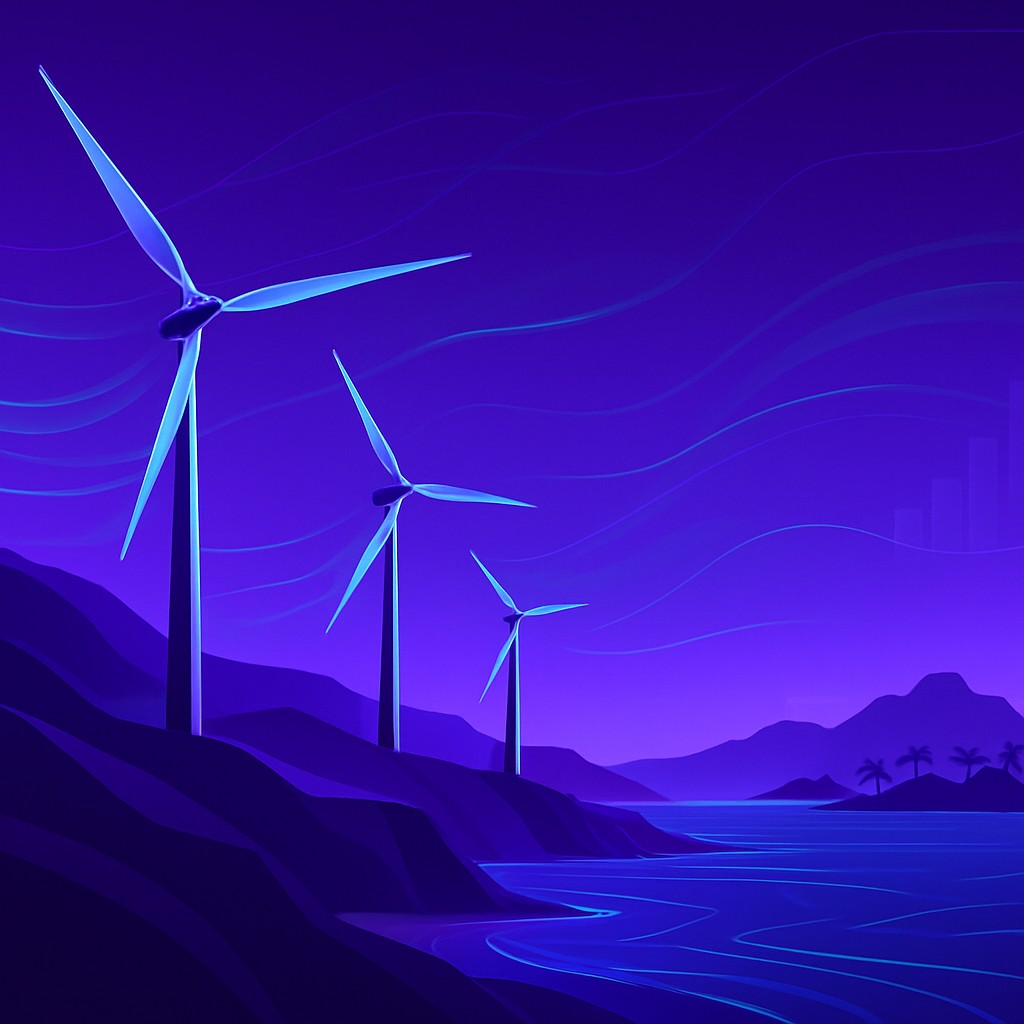
Wind Energy: An Emerging Opportunity
While hydropower and solar have dominated Papua New Guinea's renewable energy story, wind energy is emerging as a promising complement to the country's clean power mix. Coastal areas, elevated highland ridges, and certain islands experience consistent wind patterns that can be harnessed to generate electricity. As the technology matures and costs decline, a growing number of companies are investigating how wind can contribute to energy security and diversification in this resource-rich nation.
Wind energy offers a valuable advantage: it can generate power at times when solar cannot, such as during cloudy weather or at night, particularly in locations with steady breezes. When combined with solar and storage, wind helps create resilient hybrid systems that deliver reliable electricity around the clock. This complementary nature makes wind an important piece of the renewable puzzle.
Assessing Wind Potential
Developing wind energy begins with careful assessment of wind resources. Companies conduct detailed studies using meteorological data and on-site measurements to identify locations with sufficient and consistent wind speeds. In Papua New Guinea, the most promising sites tend to be along exposed coastlines, on certain islands, and on elevated terrain where wind is funnelled and accelerated.
Because the country's terrain is complex and varied, site selection requires expertise and patience. The leading companies invest in thorough analysis to ensure that projects are viable, efficient, and capable of delivering long-term value to communities and investors alike.
Leading Wind Energy Companies
Pacific Wind Power is a pioneer in the sector, conducting wind resource assessments and developing pilot projects to demonstrate the viability of wind generation in the region.
Niugini Wind Energy focuses on coastal wind opportunities, working to bring turbine technology to areas with strong and reliable breezes.
Highlands Wind Solutions explores elevated sites in the interior, where ridges and valleys create favourable wind conditions for generation.
Coral Sea Wind targets island and coastal communities, designing systems suited to the marine environment and salt-laden air.
Momase Renewable Wind investigates wind potential in the northern regions, aiming to diversify local energy supply.
Bismarck Wind Energy works on projects in the islands region, combining wind with other renewables for resilient power.
EcoBreeze PNG specialises in small-scale wind turbines for homes, farms, and remote facilities, offering decentralised generation options.
Gulf Coast Wind examines opportunities along the southern coast, where steady winds can support reliable output.
Pacifica Hybrid Power integrates wind with solar and storage, delivering complete hybrid systems for communities and businesses.
Sepik Wind Ventures rounds out the list, exploring innovative approaches to bring wind energy to underserved areas.
Technology and Innovation
Modern wind technology has advanced considerably, with turbines becoming more efficient, durable, and adaptable to different conditions. In Papua New Guinea, both large-scale turbines and smaller distributed systems have potential roles. Small wind turbines can power individual homes, farms, or telecommunications facilities, while larger installations could eventually feed into local grids.
Hybrid systems are particularly attractive in this setting. By combining wind with solar and battery storage, companies can smooth out the variability of each source and deliver consistent, reliable power. This integrated approach maximises the value of renewable resources and enhances energy resilience.
Benefits and Challenges
Wind energy offers clear benefits: it produces no emissions, requires no fuel, and can operate in conditions where solar is less effective. For remote and coastal communities, wind can provide a valuable source of clean electricity and reduce reliance on diesel generation.
However, the sector also faces challenges. Wind resources must be carefully assessed, turbines require maintenance, and the logistics of transporting and installing equipment in remote areas can be demanding. The leading companies address these challenges through rigorous planning, robust technology, and strong local partnerships.
The Road Ahead
As Papua New Guinea pursues its renewable energy goals, wind is likely to play an increasingly important role. Continued advances in technology, growing investment, and supportive policy are creating opportunities for the sector to expand. Companies that combine technical expertise with community engagement and sound project management are well positioned to lead this growth.
Collaboration with international partners and development agencies will be key to unlocking financing and expertise, helping to bring more wind projects from concept to reality.
Conclusion
Wind energy represents an exciting and growing frontier in Papua New Guinea's clean energy journey. The companies highlighted here are exploring the country's wind potential and laying the groundwork for a more diverse and resilient energy future. As the sector develops, these pioneers will help ensure that the power of the wind contributes to a sustainable and prosperous nation.