
North Charleston's Surprising Role in Wind Power
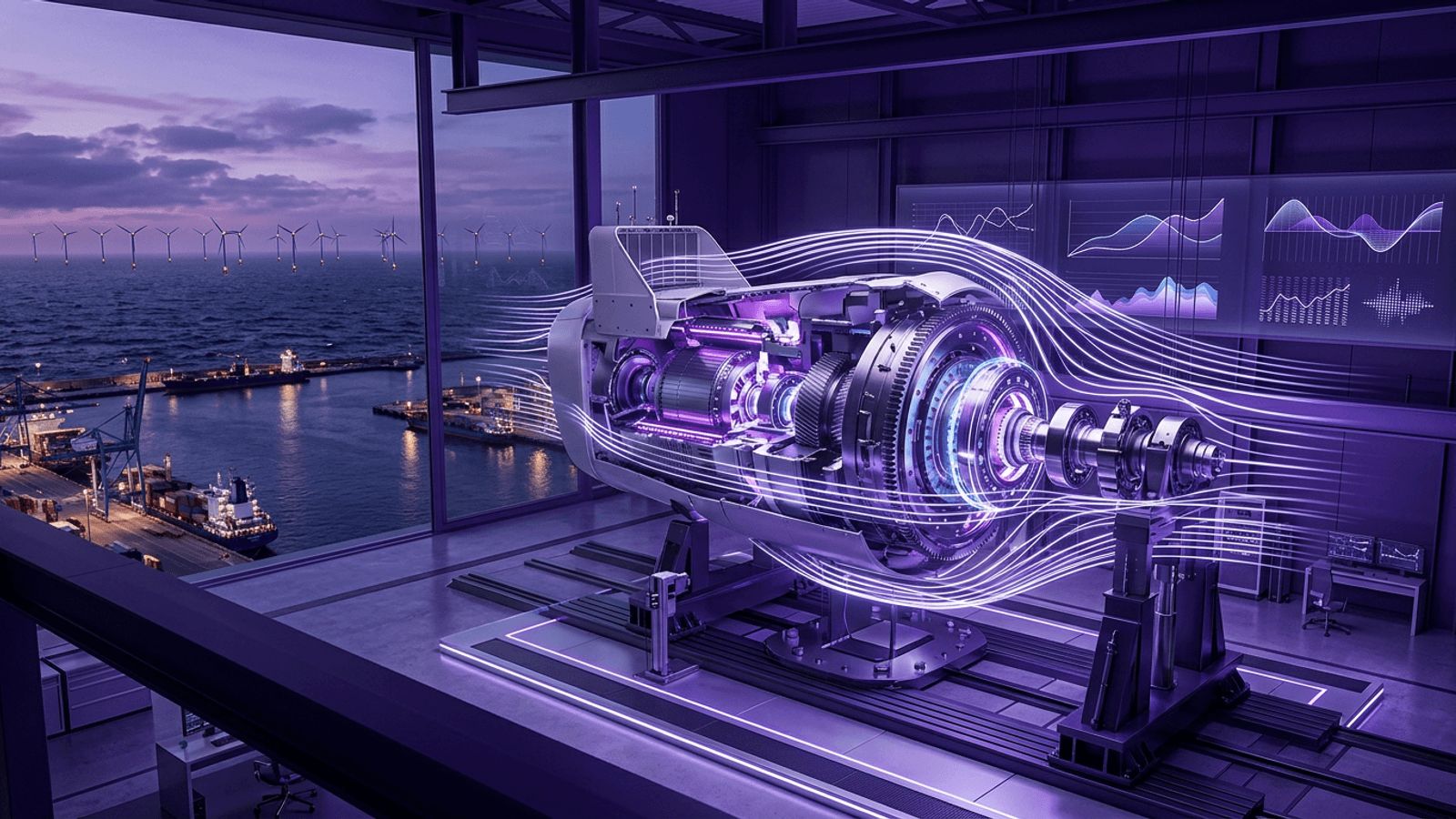
When people think about wind energy, they often picture the plains of Texas or the coast of Northern Europe. Yet North Charleston has quietly become one of the most important locations in the United States for wind technology. On the former Charleston Navy Base, the Clemson University Energy Innovation Center operates massive drivetrain test benches capable of simulating years of real-world stress on the largest turbines in just months.
That world-class testing capability, combined with a deepwater port, a skilled industrial workforce, and proximity to potential offshore wind areas off the Carolina coast, makes the region attractive to global turbine makers, developers, and utilities. Even though large wind farms have not yet been built near Charleston, the groundwork for a future industry is already in place.
Why the Lowcountry Matters for Wind Energy
Offshore wind requires ports that can handle oversized components, specialized vessels, and heavy-lift logistics. The Port of Charleston, including the Leatherman Terminal in North Charleston, offers the infrastructure and rail connections needed for such projects. Manufacturing experience from aerospace and automotive sectors also provides a talent pool for composites, precision machining, and electrical systems used in turbines.
The 10 Best Wind Energy Companies Connected to North Charleston
1. GE Vernova
GE Vernova is one of the world's largest wind turbine manufacturers and maintains a major industrial presence in South Carolina. Its onshore and offshore turbine platforms, along with grid integration technology, make it a key player in any future wind development in the Southeast.
2. Siemens Gamesa
Siemens Gamesa is a global leader in offshore wind turbines, with installations across Europe, Asia, and the United States. Its experience with large direct-drive turbines and offshore logistics is highly relevant to the Atlantic coast projects that could involve Charleston's port.
3. Vestas
Vestas has installed more wind turbines worldwide than nearly any other company. Its expertise in turbine design, service, and long-term maintenance is valuable for utilities and developers evaluating wind resources in the Carolinas and planning operations support.
4. Clemson University Energy Innovation Center
While not a company, this North Charleston research facility is central to the local wind ecosystem. Its drivetrain test benches and grid simulator allow manufacturers to validate turbine designs, attracting global industry partners and building specialized engineering talent in the region.
5. ZF Wind Power
ZF Wind Power designs and manufactures gearboxes for wind turbines and has used advanced testing to improve reliability. Gearbox durability is one of the most important factors in turbine performance, and companies like ZF benefit directly from the type of testing available in North Charleston.
6. Ørsted
Ørsted is a global pioneer in offshore wind development and has projects along the US Atlantic coast. Its experience in permitting, construction, and operations offers a model for how future offshore wind areas near the Carolinas could be developed.
7. Dominion Energy
Dominion Energy, parent of the utility serving much of the Charleston area, is building one of the largest offshore wind projects in the United States off the coast of Virginia. That experience gives the company valuable insight into offshore wind supply chains that could eventually extend into South Carolina.
8. Duke Energy
Duke Energy holds interests in offshore wind lease areas off the Carolina coast and continues to evaluate wind as part of its long-term resource planning. Its activities shape how wind could contribute to the regional power grid in coming decades.
9. TotalEnergies
TotalEnergies secured an offshore wind lease area in the Carolina Long Bay region, signaling international interest in wind resources near South Carolina. Its global portfolio of renewable projects gives it the financial strength to pursue large-scale development when conditions are right.
10. Santee Cooper
Santee Cooper has studied wind potential along the South Carolina coast for years, including research on offshore wind resources. As the state-owned utility evaluates future generation options, its findings help shape policy and investment discussions about wind energy in the region.
How Businesses Can Engage With the Wind Industry
Local manufacturers, machine shops, and logistics firms can position themselves as suppliers by pursuing quality certifications, building heavy-lift capabilities, and connecting with industry associations. Workforce programs at Trident Technical College and partnerships with Clemson University can help companies develop the skills needed for turbine assembly, maintenance, and electrical work.
Wind Energy Trends in South Carolina
Turbines are growing larger and more powerful, increasing the importance of rigorous testing. Federal and state policy decisions will strongly influence the timing of offshore development off the Carolinas. Meanwhile, grid modernization and transmission upgrades are essential to bring offshore power to shore. North Charleston's testing capability and port infrastructure place it in a strong position regardless of how quickly projects move forward.
Final Thoughts
North Charleston may not yet be surrounded by spinning turbines, but it already plays a vital role in the global wind industry. The companies and institutions listed here are shaping the technology, policy, and infrastructure that could one day make wind a major part of the Lowcountry's energy future.