
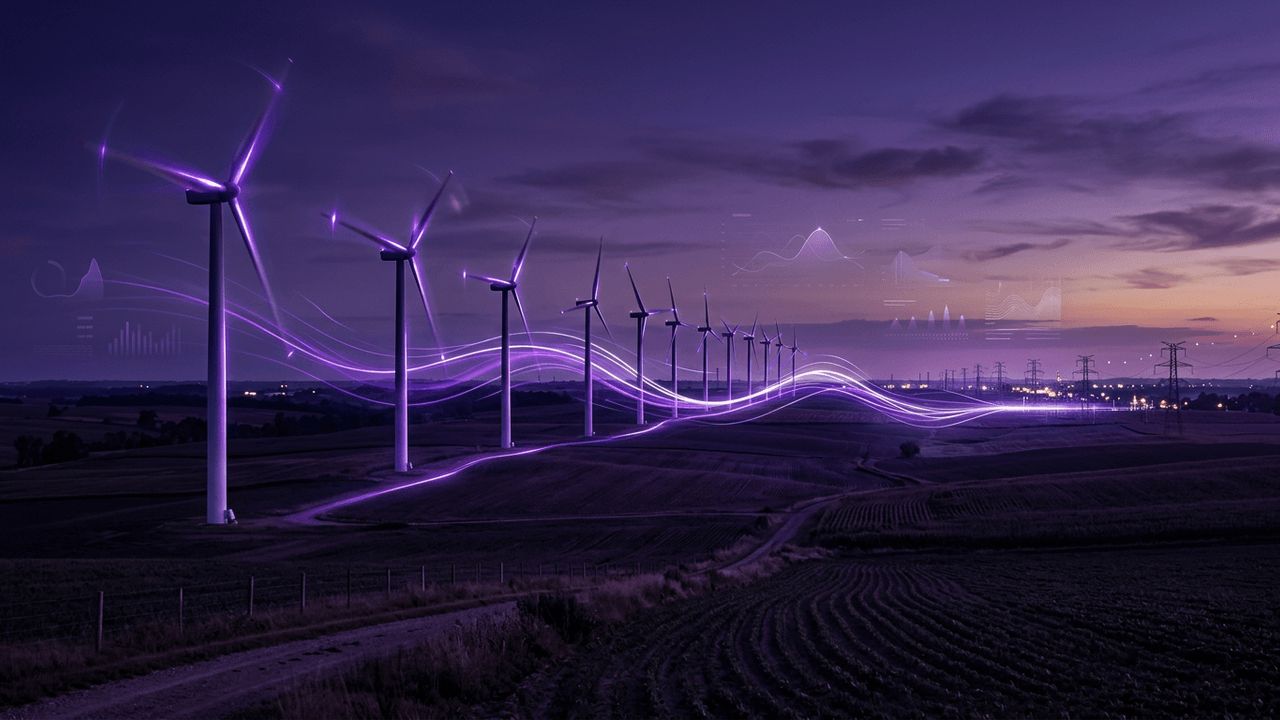
Wind Energy and the Lansing Region
Michigan has become one of the Midwest's leading wind energy states, with large wind farms concentrated in the Thumb region and central Michigan. Although Lansing itself is not a major site for turbines, the power generated by these wind farms flows across the regional grid and helps supply homes and businesses throughout the capital area. Local utilities purchase and own wind resources, and companies across the state support development, construction, and maintenance.
The organizations below play key roles in bringing wind power to Greater Lansing, from utilities and developers to turbine manufacturers and builders. They were selected for their scale, Michigan presence, reliability, and contribution to the state's clean energy goals.
The 10 Best Wind Energy Companies in Lansing
1. Consumers Energy
Consumers Energy owns and operates several major wind parks in Michigan and has made wind a central part of its clean energy plan. Its projects supply renewable electricity to millions of customers, including communities around Lansing, and it offers voluntary renewable programs for those who want to support more clean energy.
2. DTE Energy
DTE Energy is one of the largest producers of wind energy in Michigan, operating numerous wind parks across the state. Its renewable investments strengthen the regional grid, and its experience demonstrates how wind can scale reliably in Midwestern conditions.
3. Lansing Board of Water & Light
BWL incorporates wind energy into its power supply through long-term purchase agreements. These contracts help the utility diversify its energy mix, reduce emissions, and move toward its clean energy commitments on behalf of Lansing customers.
4. Invenergy
Invenergy is a leading private developer and operator of wind, solar, and storage projects. It has developed wind projects in Michigan and works with landowners and local governments to bring new clean generation online.
5. Apex Clean Energy
Apex Clean Energy develops utility-scale wind and solar projects throughout the country, including in Michigan. Its community engagement approach and expertise in project development make it an important contributor to the region's renewable growth.
6. NextEra Energy Resources
NextEra Energy Resources is one of the world's largest generators of wind and solar power. Its national expertise in financing, building, and operating wind farms influences renewable supply across the Midwest power market.
7. Heritage Sustainable Energy
Heritage Sustainable Energy is a Michigan-based renewable developer that has built wind projects within the state. Its local roots and understanding of Michigan communities make it a respected voice in the industry.
8. Vestas
Vestas is a global leader in wind turbine manufacturing and service. Many turbines in Michigan wind parks are supplied or maintained by Vestas, which also supports workforce development through technician training and service operations.
9. GE Vernova
GE Vernova designs and manufactures onshore wind turbines and grid technology. Its equipment and digital monitoring tools help Michigan wind farms maximize production and maintain reliability.
10. Mortenson
Mortenson is one of the leading construction contractors for wind energy projects in North America. It has built wind farms across the Midwest, managing complex logistics, foundations, and turbine installation safely and efficiently.
Benefits of Wind Energy
Wind energy produces electricity without fuel costs or emissions, providing stable long-term pricing that helps utilities manage rates. Michigan wind farms generate lease payments for farmers and property tax revenue for rural communities, supporting schools, roads, and local services. The industry also creates jobs in construction, operations, and maintenance, including well-paying technician roles that can be filled through community college training programs.
For Lansing customers, wind complements solar because winds are often stronger during winter and at night, when solar production is lower. This balance strengthens the reliability of a clean energy grid and reduces reliance on fossil fuels.
How Lansing Residents and Businesses Can Support Wind
Most people access wind energy through their utility. Residential customers can enroll in voluntary green power programs that match their usage with renewable generation. Larger businesses can negotiate renewable energy agreements or purchase renewable energy credits to meet sustainability targets. Institutions may also participate in collaborative procurement with other large energy users.
When evaluating programs, ask how the renewable energy is sourced, whether it comes from new projects in Michigan, and how the program affects your monthly bill. Transparent providers will explain the difference between utility-owned resources and purchased credits so you can choose the option that best fits your environmental and budget goals.
Businesses with significant energy use may also explore working with energy consultants who analyze load profiles, compare long-term contracts, and verify that renewable claims meet recognized standards. This level of diligence helps organizations report progress accurately and avoid paying a premium for programs that deliver limited environmental benefit.
Wind Energy Trends
Taller turbines with longer blades are increasing production at existing sites, and repowering older wind farms with modern equipment is becoming common. Offshore wind on the Great Lakes remains a long-term topic of discussion, while battery storage paired with wind improves grid flexibility.
Final Thoughts
Wind power is a vital part of Michigan's clean energy future. The companies above help deliver reliable, affordable wind energy to the Lansing region and continue to drive innovation across the industry.