
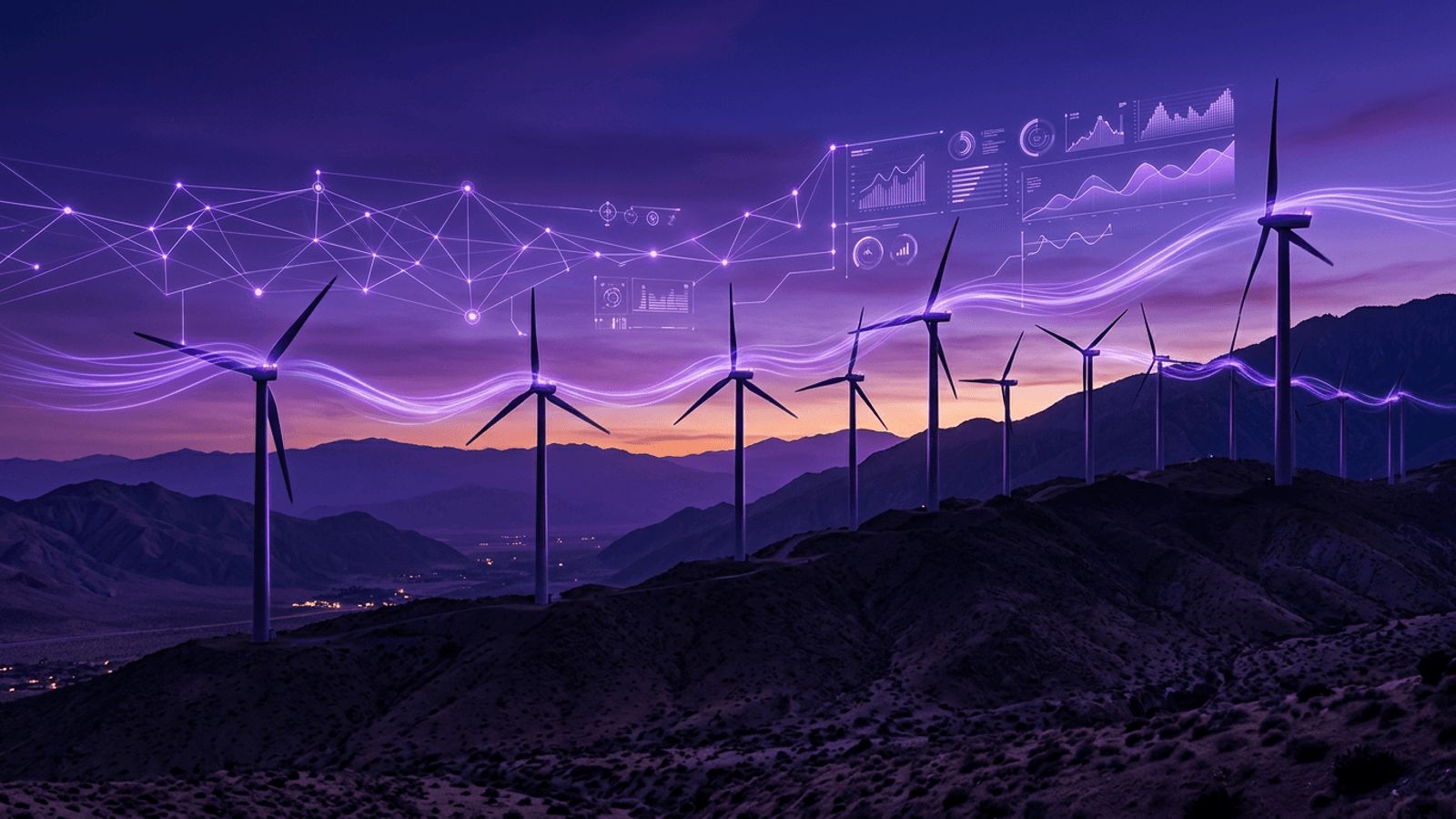
Wind Power and the Inland Empire
When people think about wind energy in Southern California, they often picture the rows of turbines lining the San Gorgonio Pass near Palm Springs. That iconic landscape is only a short drive east of Jurupa Valley along Interstate 10, and it represents one of the oldest commercial wind regions in the United States. Further north, the Tehachapi Pass hosts one of the largest wind resource areas in the country. Together, these regions help deliver clean electricity to millions of Southern California residents, including homes and businesses in Jurupa Valley.
Jurupa Valley's own terrain and wind patterns are not ideal for large turbines, but residents and businesses benefit from wind energy through the regional grid. As California pursues its clean energy goals, wind power complements solar by generating electricity in the evenings and overnight when solar production declines.
How We Selected These Companies
We focused on companies that develop, operate, or manufacture equipment for wind projects serving California, as well as firms advancing new technologies like offshore wind. The list reflects their contributions to clean energy reaching the Inland Empire.
The Top 10 Wind Energy Companies Powering Southern California
1. NextEra Energy Resources
NextEra is the world's largest generator of wind and solar energy. Its wind projects across the western United States contribute renewable power to California utilities and grid operators.
2. Terra-Gen
Terra-Gen operates major wind facilities in California, including projects in the Tehachapi and San Gorgonio regions. It is a key player in repowering older wind farms with modern, more efficient turbines.
3. Avangrid
Avangrid owns and operates wind farms across the country and is involved in renewable development that supports western grid decarbonization.
4. EDF power solutions
EDF power solutions, formerly EDF Renewables North America, develops wind, solar, and storage projects, including several in Southern California that supply clean energy to regional utilities.
5. Pattern Energy
Pattern Energy develops and operates large-scale wind projects and transmission infrastructure. Its work on long-distance transmission helps bring wind power from windy interior states to California.
6. Clearway Energy
Clearway owns wind facilities in California, including in the Tehachapi area, and is a major supplier of renewable electricity to Southern California utilities.
7. Brookfield Renewable
Brookfield Renewable operates one of the world's largest portfolios of renewable assets, including wind facilities in the United States that support clean power goals.
8. GE Vernova
GE Vernova manufactures onshore wind turbines and grid technologies. Many repowering projects in California use its modern turbines to generate more electricity from the same sites.
9. Vestas
Vestas is a global leader in wind turbine manufacturing and service. Its turbines operate across California wind regions, and its service teams maintain equipment for long-term performance.
10. Siemens Gamesa
Siemens Gamesa produces onshore and offshore wind turbines. Its offshore technology is relevant as California explores floating wind farms off its northern and central coast.
Why Wind Energy Matters for Jurupa Valley
Grid balance is one of wind power's greatest contributions. Wind often blows strongest in the evening and at night in California's mountain passes, complementing daytime solar generation.
Cleaner air results when wind replaces fossil fuel generation, supporting regional air quality goals that are especially important in the Inland Empire.
Economic benefits include jobs in construction, operations, and maintenance across Riverside County.
Energy stability improves as a diverse mix of renewable sources reduces exposure to fuel price swings.
Trends in Wind Energy
Repowering is transforming older wind regions like the San Gorgonio Pass. Hundreds of small, older turbines are being replaced with fewer, larger, and far more efficient machines. Offshore wind is an emerging opportunity for California, with lease areas off the coast that could eventually generate substantial power using floating platforms. Transmission expansion is critical for bringing wind from other states into California. Battery storage paired with wind allows operators to deliver power when it is most needed.
Wind energy also faces challenges, including permitting timelines, wildlife protection, transmission constraints, and supply chain costs. Industry leaders are addressing these through improved siting practices, advanced monitoring, and collaboration with communities and regulators.
How Local Customers Can Support Wind Energy
Most Jurupa Valley residents receive electricity from Southern California Edison, whose power mix includes wind energy. Customers interested in increasing their renewable energy use can explore green pricing programs offered by their utility. Businesses can pursue power purchase agreements or renewable energy credits that support wind development. Small-scale wind turbines are generally not practical in most Jurupa Valley neighborhoods, so solar remains the primary on-site option.
Conclusion
Although wind turbines do not dot Jurupa Valley's hills, wind energy plays an important role in powering the city. Thanks to nearby resources like the San Gorgonio and Tehachapi passes, residents benefit from clean electricity generated just beyond the horizon. These ten companies are driving wind energy forward, helping Southern California build a cleaner, more reliable energy future.