
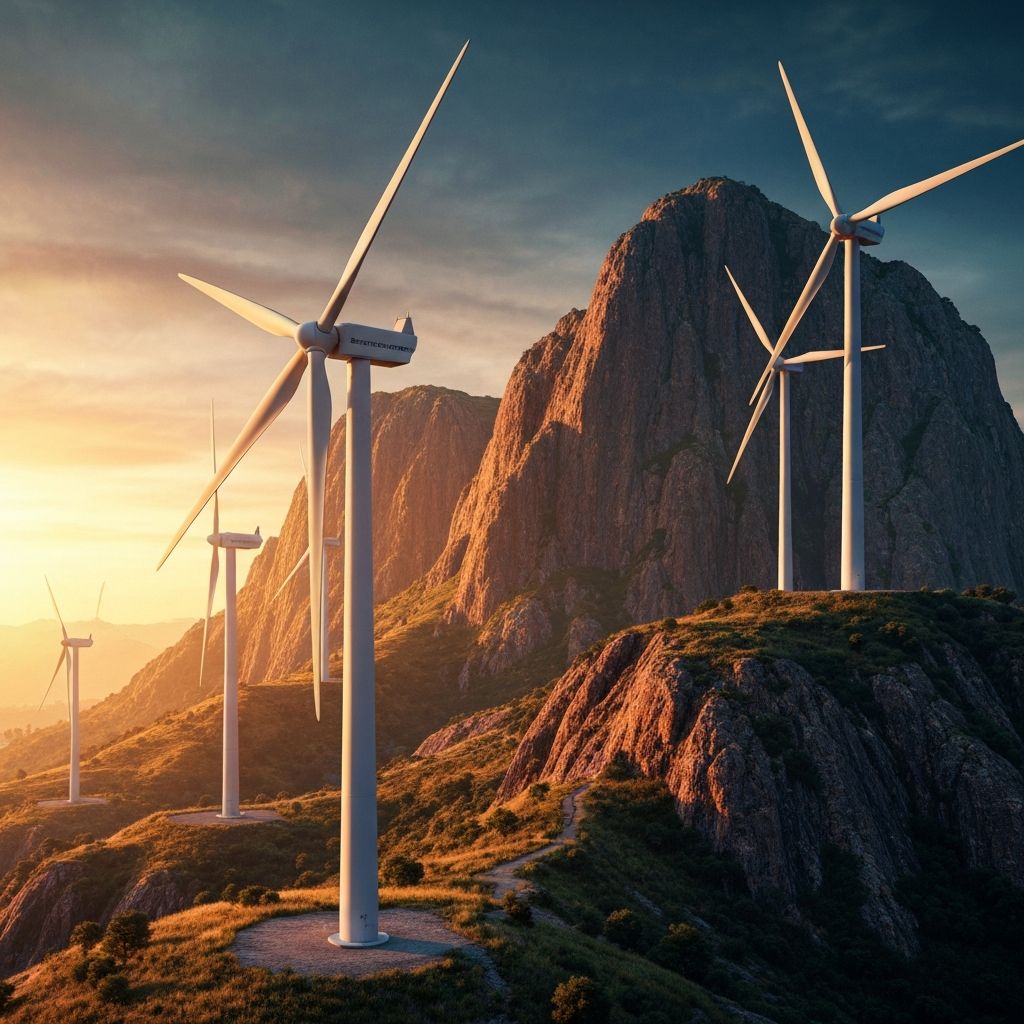
Wind Energy in Ethiopia
Ethiopia is home to some of Africa's strongest wind resources, particularly in the Rift Valley and along high-altitude corridors. Wind energy has become an important pillar of the country's diversified renewable portfolio, complementing hydropower during dry seasons and adding capacity to meet rapidly rising demand. With both operational projects and a strong pipeline, the wind sector continues to attract investment from utilities, independent power producers, and international developers.
The companies below are leading the wind energy transition in Ethiopia, ranging from state-owned utilities to private developers and engineering firms.
1. Ethiopian Electric Power
Ethiopian Electric Power is the central public entity managing major wind farms such as Ashegoda and Adama. It coordinates planning, construction, and grid integration of large wind assets across the country.
2. Adama Wind Farm Operators
The team behind Adama Wind Farm operates one of the largest wind power facilities in East Africa, contributing significant clean capacity to the national grid in the Oromia region.
3. Ashegoda Wind Farm Team
The Ashegoda Wind Farm in Tigray was a milestone project for Ethiopian wind energy, demonstrating that large-scale wind generation is technically and commercially viable in the country.
4. Aysha Wind Project Developers
The developers behind the Aysha wind project in the Somali region work on harnessing strong, consistent wind speeds to deliver substantial clean energy and stimulate local economic activity.
5. Assela Wind Project Group
This group develops the Assela wind project, contributing additional capacity in the Rift Valley and reinforcing the role of wind in Ethiopia's energy strategy.
6. Rensys Engineering and Trading
Rensys Engineering and Trading supports wind projects with engineering, environmental, and balance-of-plant services, leveraging its broader experience in Ethiopian renewables.
7. Green Energy Engineering Ethiopia
Green Energy Engineering Ethiopia provides feasibility studies, wind resource assessments, and project development support for both public and private wind initiatives.
8. East African Wind Solutions
East African Wind Solutions is an engineering firm focused on small and medium wind installations, including hybrid systems for telecom and agricultural sites.
9. Habesha Wind Power
Habesha Wind Power participates in wind project advisory and equipment supply, helping developers source turbines and balance-of-plant equipment from international manufacturers.
10. Sustainable Power Ethiopia
Sustainable Power Ethiopia rounds out the list as a renewable consultancy active in wind, helping clients structure projects, secure permits, and engage communities effectively.
Why Wind Matters for Ethiopia
Wind energy offers a critical complement to hydropower. While hydro output can drop during dry seasons, wind generation in many Ethiopian sites peaks at different times of the day and year, helping smooth supply. Wind also enhances energy security by reducing dependence on fuel imports and stabilizing electricity prices over the long term.
Project Development in Wind
Developing a wind project in Ethiopia requires detailed wind resource assessment, environmental and social impact studies, land arrangements, grid connection planning, and long-term operation strategies. Skilled developers combine technical expertise with strong relationships with regulators and communities to bring projects from concept to commissioning.
Investment and Financing
Wind projects are capital-intensive, often requiring blended finance from multilateral institutions, export credit agencies, and commercial lenders. Ethiopia's policy framework increasingly supports independent power producers, with power purchase agreements providing the long-term revenue certainty needed to attract investors. Local banks are also developing capacity to participate in such financings.
Trends and Future Outlook
The wind sector is expected to see continued growth as Ethiopia targets higher renewable shares in its electricity mix. Larger turbines, better forecasting, and improved transmission infrastructure will support more efficient wind deployment. Hybrid configurations combining wind with solar and storage are also gaining attention, particularly for industrial parks and remote loads.
Community and Environmental Considerations
Successful wind projects depend on strong community engagement and environmental stewardship. Leading developers invest in local employment, infrastructure improvements, and biodiversity protection. Transparent stakeholder consultation helps build trust and ensures projects deliver lasting benefits beyond electricity generation.
Conclusion
The companies above are at the forefront of harnessing Ethiopia's exceptional wind resources. As the country continues its drive toward universal electricity access and a low-carbon economy, wind energy will play an increasingly important role. With strong policy support, growing investment, and capable local and international partners, Ethiopia is well placed to expand its wind capacity and consolidate its position as a regional clean energy leader.