
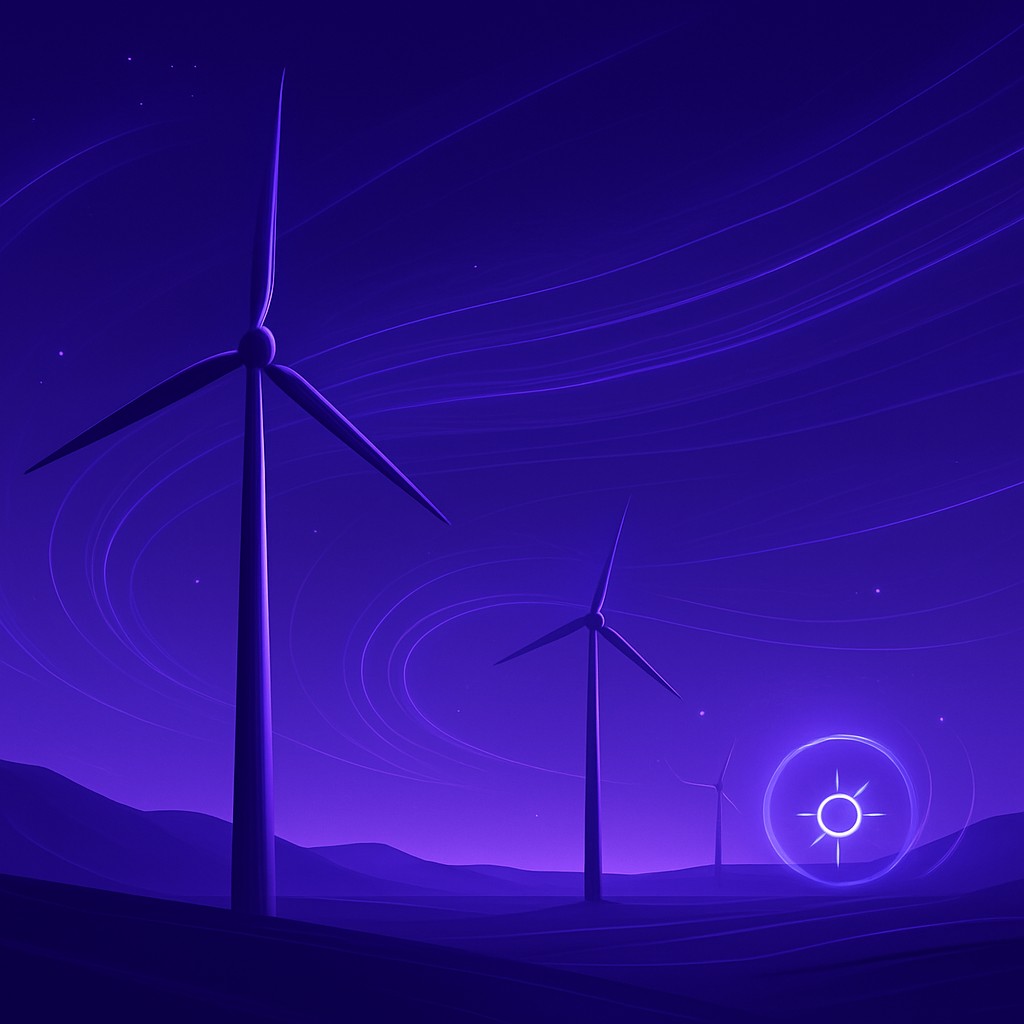
The Power of Patagonian Wind
Argentina is blessed with extraordinary wind resources, especially across the vast plains of Patagonia and the southern reaches of Buenos Aires province. These regions experience strong, consistent winds that produce capacity factors among the highest in the world, often exceeding fifty percent. This natural advantage has made wind energy the leading pillar of Argentina's renewable transition, attracting both domestic and international developers eager to harness the country's world-class wind corridors.
Why Wind Energy Leads the Transition
Wind power offers compelling economics and scalability. Modern turbines generate substantial electricity at competitive costs, and the exceptional Argentine wind resource enhances returns. The RenovAr program accelerated wind development by providing long-term contracts, while corporate buyers increasingly sign power purchase agreements to secure clean energy. As a result, wind farms have proliferated across Chubut, Santa Cruz, Buenos Aires, and other windy provinces, supplying clean power to the national grid.
Leading Wind Energy Companies
Genneia is the country's largest wind power generator, operating multiple large wind farms and continually expanding its capacity. Its projects in Chubut and Buenos Aires province exemplify the scale achievable in Argentina. Pampa Energía has invested heavily in wind, developing major farms that supply both the grid and industrial customers seeking renewable energy.
Central Puerto operates significant wind assets as part of its diversification strategy, while YPF Luz has built substantial wind capacity, including the Manantiales Behr and Cañadón León projects in Patagonia.
Petroquímica Comodoro Rivadavia (PCR) has successfully expanded from cement and oil into wind generation, becoming a notable player in the sector.
International Developers and Partners
Global energy leaders have recognized Argentina's wind potential. AES Argentina develops utility-scale wind projects and integrates storage solutions. Enel Green Power Argentina contributes international expertise and capital to large installations. Envision and other turbine manufacturers supply advanced technology suited to the demanding Patagonian environment. CP Renovables, a partnership involving PCR, and Parque Eólico Arauco in La Rioja further diversify the landscape of capable wind developers operating across the country.
Flagship Wind Projects
Argentina hosts several impressive wind farms. The Manantiales Behr project in Chubut delivers significant clean capacity, while wind complexes in Buenos Aires province power major population centers. The Arauco wind park in La Rioja has grown into one of the largest in the country. These flagship installations demonstrate the maturity of Argentina's wind industry and its capacity to deliver reliable, large-scale renewable power.
Economic and Environmental Benefits
Wind energy generates substantial benefits beyond clean electricity. It creates jobs in manufacturing, construction, and maintenance, often in rural areas with limited economic opportunities. It reduces reliance on imported fuels and shields the economy from commodity price swings. Environmentally, wind power displaces fossil fuel generation, cutting greenhouse gas emissions and air pollution. The combination of economic development and environmental protection makes wind a cornerstone of sustainable growth.
Technology and Innovation
Advances in turbine technology continue to improve wind energy economics. Larger rotors, taller towers, and smarter control systems boost output and reliability. Operators increasingly deploy predictive maintenance using sensors and data analytics to maximize uptime. The integration of energy storage and improved grid management helps address the intermittent nature of wind, ensuring stable supply. These innovations enhance the competitiveness of Argentine wind projects.
Challenges and the Road Ahead
Expanding wind capacity requires significant transmission infrastructure to deliver power from remote Patagonian sites to demand centers. Financing in a fluctuating macroeconomic environment can be complex, and regulatory stability is essential for sustained investment. Despite these challenges, the long-term outlook is strong. Argentina's wind resources are so exceptional that continued growth is virtually assured, with potential to supply both domestic needs and future green hydrogen production.
Final Thoughts
Wind energy represents one of Argentina's greatest natural advantages and a key driver of its clean energy future. The companies profiled here are harnessing the powerful Patagonian winds to deliver reliable, sustainable electricity while fostering economic development. As technology improves and infrastructure expands, Argentina's wind sector is poised to play an even larger role in powering the nation and contributing to global decarbonization efforts.