
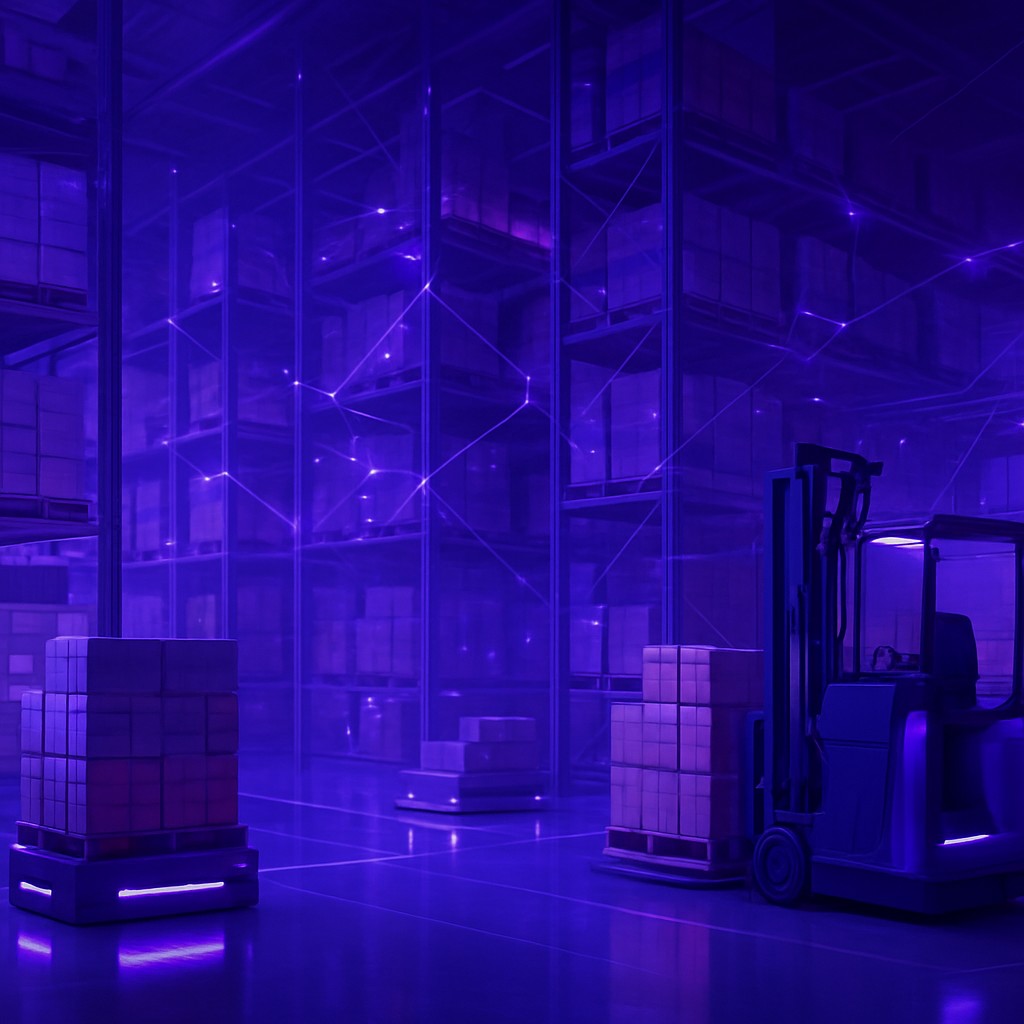
The Role of Warehousing in South Korea's Economy
Warehousing forms a critical link in South Korea's highly efficient supply chains. As a major manufacturing and export hub with a thriving e-commerce sector, the country depends on advanced storage and distribution facilities to keep goods flowing smoothly from producers to consumers. Modern warehouses do far more than store products; they serve as dynamic fulfillment centers that handle inventory management, order processing, and rapid distribution.
The warehousing industry has evolved significantly, driven by automation, data analytics, and the relentless growth of online shopping. Today's leading facilities feature smart technologies, temperature-controlled zones, and strategic locations near ports, airports, and urban centers to ensure fast and efficient delivery.
What Defines a Top Warehousing Company
Excellence in warehousing depends on several factors, including strategic location, facility quality, technological capabilities, and service flexibility. The best providers offer scalable storage, advanced inventory management systems, value-added services such as packaging and labeling, and seamless integration with transportation networks. Safety, security, and the ability to handle specialized goods like perishables or hazardous materials are also important differentiators.
The Top 10 Warehousing Companies
CJ Logistics leads the industry with extensive warehousing and fulfillment operations across the country. Its automated facilities and integrated logistics services make it a top choice for businesses of all sizes.
Lotte Global Logistics offers comprehensive warehousing solutions backed by a large retail group, providing storage, distribution, and fulfillment services for e-commerce and traditional retail.
Hanjin Logistics brings decades of experience to warehousing, operating strategically located facilities that support efficient storage and distribution nationwide.
Pantos Logistics delivers integrated supply chain solutions, including modern warehousing and distribution centers supported by a strong global network.
Hyundai Glovis combines warehousing with broader logistics expertise, offering tailored storage and distribution services for industrial and automotive clients.
Sebang Co. is a well-established logistics provider with significant warehousing capabilities, known for handling diverse cargo and offering customized solutions.
Dongbang Transport Logistics specializes in port-related warehousing and distribution, leveraging its proximity to major harbors to support import and export operations.
KCTC offers comprehensive logistics and warehousing services, including specialized storage for various industries and integrated distribution support.
Samsung SDS Logistics applies advanced technology and data-driven solutions to warehousing, providing smart, efficient storage and supply chain management.
Coupang Fulfillment Centers round out the list, powering the rapid delivery promise of a leading e-commerce platform with highly automated, strategically located fulfillment hubs.
Technology Transforming Warehousing
Automation is revolutionizing the warehousing sector in South Korea. Robotic systems, automated storage and retrieval, conveyor networks, and intelligent sorting dramatically improve speed and accuracy. Warehouse management systems powered by data analytics optimize inventory levels, reduce errors, and enable real-time visibility across the supply chain. These innovations allow companies to meet the demanding expectations of fast delivery while controlling costs.
The rise of smart warehouses, equipped with sensors and connected devices, enables predictive maintenance and efficient space utilization. Temperature-controlled and cold storage facilities have also expanded to support the growing demand for fresh food and pharmaceutical distribution.
The E-Commerce Effect
The explosive growth of online shopping has reshaped warehousing requirements. Fulfillment centers must now process large volumes of individual orders quickly and accurately, often with same-day or next-day delivery commitments. This has driven investment in automation, urban micro-fulfillment centers, and sophisticated inventory systems. Companies like Coupang have built extensive fulfillment networks to support their rapid delivery models, setting new standards for the industry.
Choosing the Right Warehousing Partner
Selecting a warehousing provider depends on business needs such as storage volume, location, specialized handling, and integration with transportation. Large enterprises with complex supply chains may prefer comprehensive providers like CJ Logistics or Pantos Logistics, while e-commerce businesses might benefit from fulfillment-focused operations. Companies handling specialized goods should seek providers with appropriate facilities and expertise.
Conclusion
Warehousing companies are the unsung heroes of South Korea's efficient supply chains, enabling the smooth movement of goods that powers manufacturing, retail, and e-commerce. The providers featured here combine strategic locations, advanced technology, and flexible services to meet the evolving demands of modern commerce. As automation and e-commerce continue to drive change, these warehousing leaders are well positioned to keep South Korea's logistics network running efficiently and reliably.