
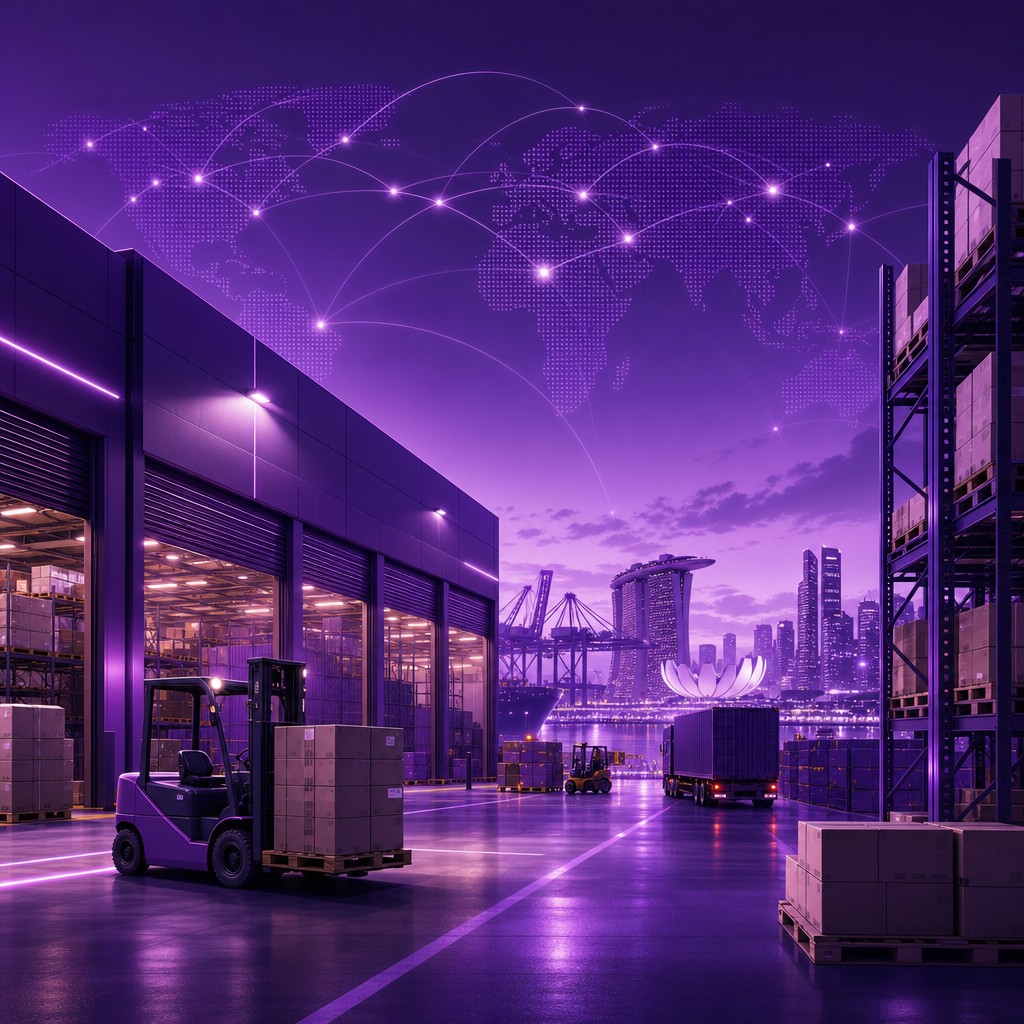
Singapore as a Global Logistics Hub
Singapore's strategic location at the crossroads of major shipping routes has cemented its position as one of the world's premier logistics and warehousing hubs. With a world-class port, an efficient airport, and excellent connectivity to regional markets, the nation serves as a vital gateway for trade across Asia and beyond. Warehousing companies play a crucial role in this ecosystem, providing the storage, handling, and distribution capabilities that keep goods flowing smoothly through global supply chains.
Modern warehousing in Singapore goes far beyond simple storage. Today's facilities offer integrated services including inventory management, order fulfilment, value-added processing, and temperature-controlled storage. These capabilities support a wide range of industries, from electronics and pharmaceuticals to e-commerce and fast-moving consumer goods.
What Sets Top Warehousing Providers Apart
Leading warehousing companies distinguish themselves through advanced technology, strategic locations, and comprehensive service offerings. Automation, real-time inventory systems, and robust security are increasingly standard. Providers that offer end-to-end supply chain solutions, including freight forwarding and last-mile delivery, deliver greater value to clients seeking efficiency and reliability. Compliance with international standards and the ability to handle specialised cargo are also important differentiators.
Top Warehousing Companies in Singapore
DHL Supply Chain is a global leader offering comprehensive warehousing and logistics solutions. Its advanced facilities, technology integration, and expertise across industries make it a trusted partner for multinational businesses.
YCH Group is a homegrown logistics powerhouse known for its innovative supply chain solutions and state-of-the-art facilities, including its flagship integrated logistics hub.
Kuehne + Nagel provides extensive contract logistics and warehousing services, supported by a strong global network and deep expertise in complex supply chains.
DB Schenker offers integrated logistics solutions with modern warehousing facilities, serving sectors that demand precision and reliability.
CWT is one of the region's largest logistics providers, offering extensive warehousing space and a broad range of supply chain services.
Toll Group delivers tailored warehousing and distribution solutions, valued for its flexibility and strong regional presence.
Bollore Logistics provides specialised warehousing services across multiple industries, with a focus on quality, security, and customised solutions.
GEODIS offers contract logistics and warehousing backed by global expertise and a commitment to operational excellence.
Nippon Express brings extensive experience in international logistics, providing reliable warehousing and distribution services for diverse cargo types.
Yusen Logistics rounds out the list with comprehensive supply chain solutions, including advanced warehousing facilities and integrated transport services.
Trends Transforming Warehousing
The warehousing industry in Singapore is undergoing rapid transformation driven by automation and digitalisation. Robotics, automated storage and retrieval systems, and smart inventory management are boosting efficiency and accuracy while reducing reliance on manual labour. The rise of e-commerce has fuelled demand for fulfilment centres capable of handling high volumes of small orders with quick turnaround times.
Sustainability is another major trend, with companies investing in energy-efficient buildings, solar power, and green logistics practices. Land scarcity in Singapore has also spurred the development of multi-storey and high-tech warehouses that maximise vertical space. These innovations ensure that the sector remains competitive and responsive to evolving market demands.
Choosing the Right Warehousing Partner
Selecting a warehousing provider depends on factors such as the nature of the goods, required services, location, and scalability. Businesses handling perishable or sensitive products need temperature-controlled and compliant facilities, while e-commerce companies prioritise fast fulfilment and integration with online platforms. Evaluating a provider's technology, track record, and service range helps ensure a partnership that supports long-term growth.
Conclusion
Warehousing companies are the backbone of Singapore's thriving logistics sector, enabling efficient storage, distribution, and supply chain management for businesses worldwide. With a strong mix of global leaders and innovative local players, the market offers solutions for virtually every industry and requirement. As technology and sustainability continue to reshape the field, Singapore's warehousing providers are well positioned to maintain the nation's status as a leading logistics hub.