
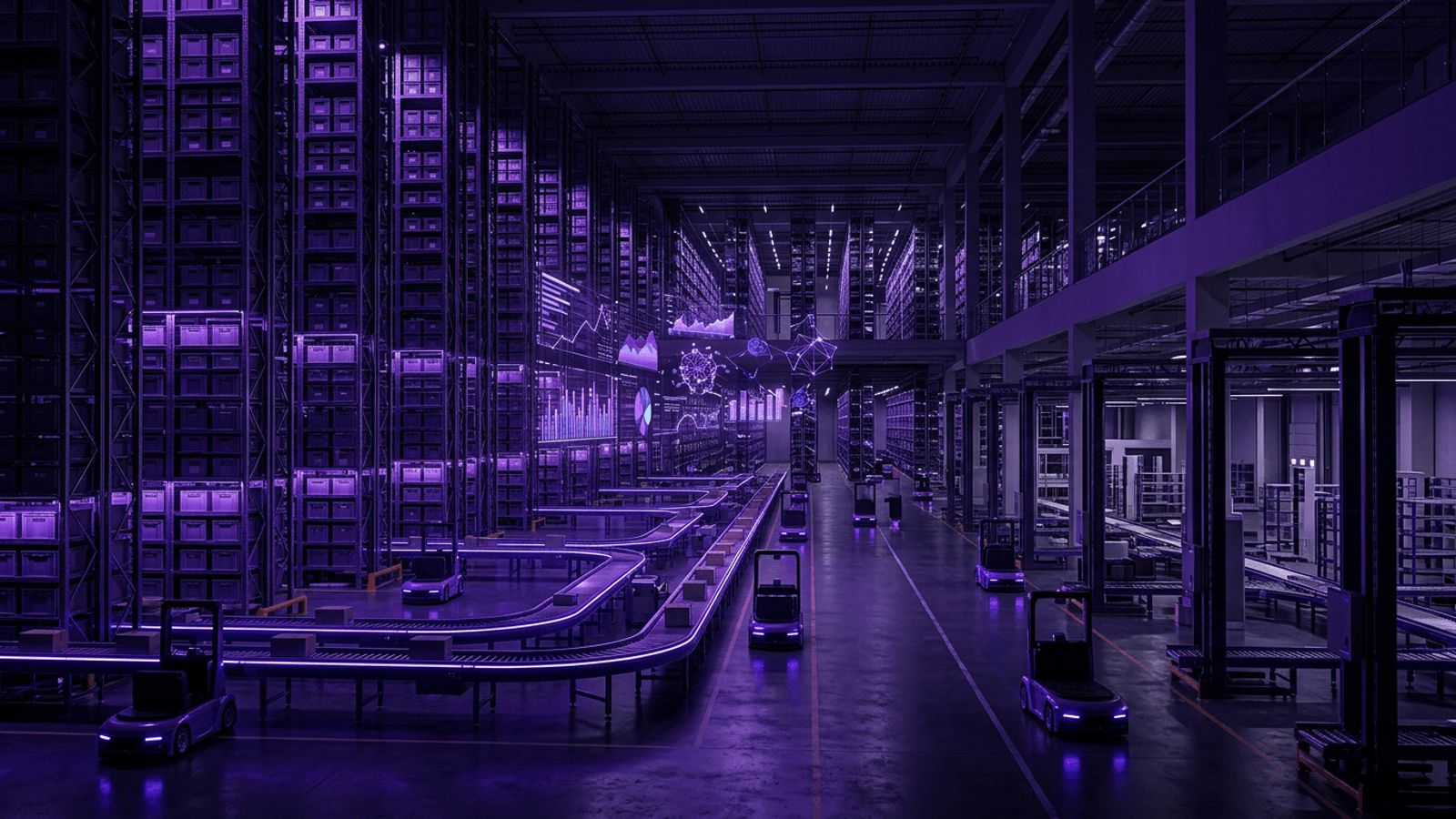
Warehousing in a High-Demand Market
Santa Clara is surrounded by some of the most expensive industrial real estate in the United States. Data centers, research labs, and advanced manufacturing facilities compete for limited space, which makes traditional warehousing a premium commodity. For businesses that need to store inventory, manage spare parts, or fulfill online orders, partnering with an experienced warehousing company is often more practical than leasing and operating their own facility.
The best warehousing providers combine strategic locations, advanced technology, and flexible contracts. Below are ten leading warehousing companies that serve Santa Clara businesses.
What Makes a Warehousing Partner Stand Out
Key factors include proximity to customers and transportation routes, inventory accuracy, warehouse management system capabilities, security, and scalability. Technology companies often require specialized services such as electrostatic discharge protection, serialized inventory tracking, kitting, and rapid spare parts distribution.
The Top 10 Warehousing Companies Serving Santa Clara
1. Prologis
Prologis is the world's largest owner of logistics real estate. Its Bay Area portfolio includes modern distribution facilities near major highways and airports. Businesses seeking to lease warehouse space in or near Santa Clara often turn to Prologis for well-located, high-quality buildings.
2. GXO Logistics
GXO specializes in technology-driven contract logistics. Its warehouses use robotics, automation, and data analytics to improve speed and accuracy, making it a strong choice for brands with complex inventory and fulfillment needs.
3. DHL Supply Chain
DHL Supply Chain operates dedicated and multi-client warehouses for technology, retail, and healthcare clients. It is known for operational excellence and continuous investment in automation and sustainability.
4. Ryder System
Ryder provides warehousing, distribution, and e-commerce fulfillment backed by its national transportation network. Its integrated approach allows businesses to manage storage and delivery through a single partner.
5. Iron Mountain
Iron Mountain is a leader in secure records storage, information management, and data center services. Santa Clara businesses rely on it for document storage, secure media vaulting, and IT asset disposition.
6. ShipBob
ShipBob offers e-commerce fulfillment through a network of warehouses across the United States, including California. Its platform gives direct-to-consumer brands real-time inventory visibility and fast two-day shipping capabilities.
7. Flexe
Flexe provides on-demand warehousing through a network of operators, allowing businesses to add capacity without long-term leases. This flexibility is valuable during product launches, seasonal peaks, and market expansions.
8. NFI Industries
NFI is a privately held supply chain solutions provider with significant California operations. It offers warehousing, transportation, and port logistics, making it a solid partner for importers moving goods from West Coast ports to customers.
9. Expeditors International
Expeditors provides distribution and warehousing services that complement its global freight forwarding. Technology companies appreciate its ability to manage inventory alongside international shipping and customs.
10. Weber Logistics
Weber Logistics is a California-based third-party logistics provider with decades of experience serving West Coast businesses. Its warehousing and transportation services are known for personalized attention and strong regional expertise.
Warehousing Trends in Silicon Valley
Automation is transforming warehousing. Autonomous mobile robots, automated storage and retrieval systems, and AI-based inventory forecasting help providers handle more orders with greater accuracy in smaller footprints. Given Santa Clara's high real estate costs, maximizing vertical space and throughput is especially important.
Another major trend is the rise of flexible warehousing. Instead of committing to multi-year leases, businesses increasingly use on-demand and multi-client facilities that scale up and down with demand. Sustainability is also gaining momentum, with solar-powered warehouses, electric forklifts, and energy-efficient lighting becoming standard features in newer facilities.
How to Choose a Warehousing Provider
Begin by analyzing your storage volume, order profile, and customer locations. Determine whether you need simple storage, full fulfillment, or specialized services such as kitting and returns processing. Ask potential partners about their technology integrations, accuracy rates, and security measures. Visit facilities when possible, and review service level agreements carefully to understand pricing, minimums, and performance guarantees.
Benefits of Outsourcing Warehousing
Outsourcing warehousing allows Santa Clara businesses to avoid large capital investments in real estate and equipment, access advanced technology, and focus on core activities such as product development and sales. It also provides flexibility to grow into new markets without building new infrastructure.
Frequently Asked Questions
Why is warehousing so expensive in Santa Clara?
Industrial land in Santa Clara is in high demand from data centers, research facilities, and advanced manufacturers, which pushes rents well above national averages. Many businesses store bulk inventory in the East Bay or Central Valley and keep only fast-moving items close to Silicon Valley customers.
What is the difference between contract and public warehousing?
Contract warehousing involves a dedicated facility or space operated under a long-term agreement tailored to one company's needs. Public or multi-client warehousing shares space and labor across many customers, offering lower commitments and more flexibility for smaller or seasonal volumes.
Can a warehouse partner handle returns?
Most leading providers offer reverse logistics services, including inspecting, refurbishing, restocking, or recycling returned products. For electronics companies, efficient returns processing can recover significant value and improve customer satisfaction.
How long does it take to onboard with a new warehouse?
Onboarding typically involves systems integration, inventory transfer, and process setup. Smaller e-commerce brands may be live within weeks, while complex enterprise programs can take longer to design and implement.
Conclusion
From real estate leaders like Prologis to fulfillment innovators like ShipBob and Flexe, Santa Clara businesses have excellent options for warehousing. By aligning your storage and fulfillment needs with the strengths of each provider, you can reduce costs, improve customer experience, and build a supply chain ready for growth.