
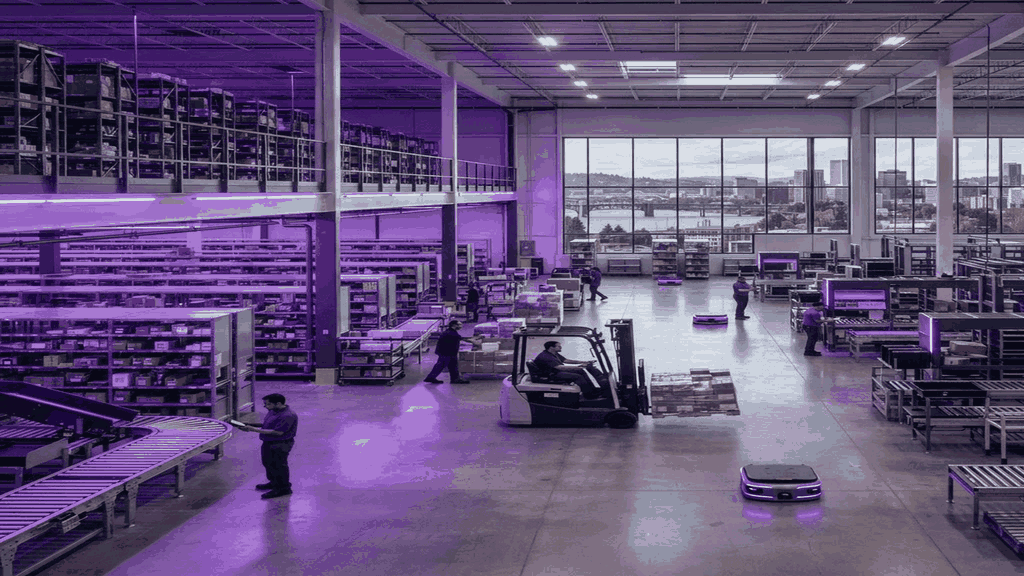
Portland's Role as a Distribution Hub
Situated at the intersection of major highways, rail lines, and a busy river port, Portland has emerged as a vital center for warehousing and distribution in the Pacific Northwest. Businesses across manufacturing, retail, e-commerce, and food industries depend on efficient storage and fulfillment to reach customers throughout the region and beyond. The city's proximity to the coast, its access to interstate routes, and its connection to international trade make it an attractive location for companies seeking reliable warehousing solutions.
Modern warehousing is about far more than storage space. Today's leading providers offer inventory management, order fulfillment, cross-docking, and value-added services that help businesses operate leaner and respond faster to demand. Choosing the right partner can significantly improve supply chain performance.
What Defines a Top Warehousing Company
Excellence in warehousing rests on several pillars. Location is critical, with the best facilities positioned near major transportation corridors for quick inbound and outbound movement. Technology plays an equally important role, as warehouse management systems track inventory in real time, reduce errors, and provide clients with visibility into their stock. Security, climate control, and cleanliness protect valuable goods and ensure compliance with industry standards.
Scalability and flexibility matter too. Businesses experience seasonal fluctuations, and the strongest providers can expand or contract space and services accordingly. Responsive customer service and accurate, timely fulfillment round out the qualities that separate the best from the rest.
Leading Warehousing Providers in the Portland Area
The regional market features a mix of established logistics firms and specialized operators. Companies like NW Logistics and Columbia Distributing are recognized for their large-scale storage and distribution capabilities. Pacific Warehousing and Portland Bonded Warehouse offer flexible solutions for businesses needing both short-term and long-term storage, including bonded facilities for imported goods.
For third-party logistics, providers such as Sunset Pacific Transportation and Interstate Warehousing deliver integrated fulfillment services that combine storage, picking, packing, and shipping. Cold-storage specialists like Henningsen Cold Storage serve the region's robust food and beverage sector, while firms including Bridgetown Logistics and Rose City Fulfillment support the growing e-commerce market with fast, accurate order processing.
Services That Drive Supply Chain Efficiency
Top warehousing companies offer a suite of services designed to streamline operations. Inventory management systems provide real-time tracking and reporting, helping businesses avoid stockouts and overstock. Order fulfillment services handle the entire process from receiving to shipping, freeing companies to focus on their core operations. Cross-docking speeds goods from inbound to outbound with minimal storage time, reducing handling costs.
Value-added services such as kitting, labeling, packaging, and returns processing further extend the usefulness of a warehousing partner. For businesses handling perishable or sensitive products, temperature-controlled storage and specialized handling ensure quality is maintained throughout the supply chain.
How to Select the Right Warehousing Partner
Begin by assessing your specific needs, including storage volume, product type, and fulfillment requirements. Evaluate a provider's location relative to your customers and transportation routes, as this directly affects speed and cost. Review their technology capabilities to ensure you will have the visibility and reporting you require.
Consider scalability, especially if your business experiences seasonal peaks. Ask about certifications, security measures, and insurance coverage to protect your inventory. Finally, seek references and reviews to confirm a provider's reliability and service quality before committing.
Questions to Ask Before Making Your Choice
Before making a final decision, create a short list of priorities and compare each option against the same standards. Ask how long the organization has served the Portland area, what training or qualifications its team holds, and how it measures quality. Clear answers reveal both operational maturity and a genuine commitment to customers. It is also worth asking how the provider handles unexpected changes, complaints, accessibility needs, and peak demand. A thoughtful response is often a better indicator of future service than a polished sales message.
Pay attention to transparency throughout the evaluation process. Policies, fees, schedules, and limitations should be easy to understand before you commit. Look for recent feedback that describes specific experiences rather than relying on a single rating, and consider whether the organization communicates promptly and professionally. Portland residents often value organizations that support local communities, adopt sustainable practices, and make their services inclusive; these qualities can be useful differentiators when several choices appear equally strong.
Finally, remember that the highest-profile option is not automatically the best match. A smaller local organization may offer more personal attention, while a larger provider may deliver broader resources and greater scheduling flexibility. If possible, begin with a consultation, campus visit, introductory session, or limited engagement. Firsthand experience allows you to assess the people, process, and overall fit before making a larger commitment. Comparing value rather than price alone will usually lead to a more satisfying and dependable outcome.
Final Thoughts
Portland's warehousing companies offer the location, technology, and expertise businesses need to thrive in a competitive marketplace. From large-scale distribution centers to specialized cold storage and e-commerce fulfillment, the region provides options for every type of operation. By carefully matching your requirements to a provider's strengths, you can build a resilient, efficient supply chain that supports long-term growth.