
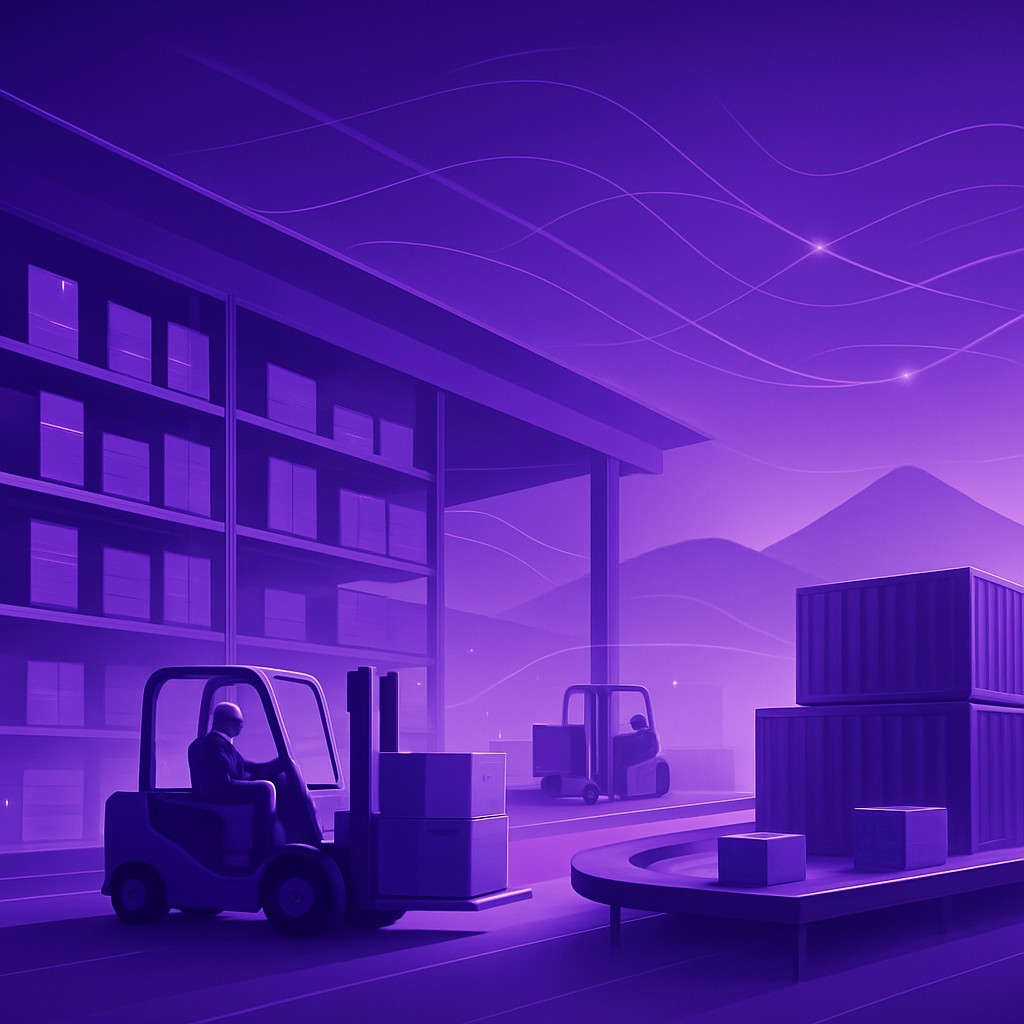
The Rise of Warehousing in Peru
Peru has become one of South America's most dynamic logistics hubs, driven by its strategic Pacific coastline, the busy Port of Callao, and a steadily expanding consumer market. As international trade and domestic e-commerce continue to accelerate, the demand for reliable warehousing infrastructure has never been higher. Modern warehousing companies in Peru are no longer simple storage providers; they are integrated logistics partners offering inventory management, distribution, cold chain solutions, and value-added services that keep goods moving efficiently from port to doorstep.
What Defines a Leading Warehousing Company
The best warehousing operators in Peru distinguish themselves through a combination of strategic location, technology adoption, and operational reliability. Facilities positioned near Lima, Callao, Arequipa, and Trujillo offer faster turnaround times and reduced transport costs. Top providers invest heavily in warehouse management systems, automated racking, and real-time inventory tracking, allowing clients to monitor stock levels with precision. Safety certifications, temperature-controlled zones, and robust security systems are also key differentiators that build trust with both local and multinational clients.
Top Warehousing Companies Operating in Peru
Several established names dominate the Peruvian warehousing landscape. Ransa is widely regarded as a regional leader, offering comprehensive supply chain solutions including bonded warehousing and cold storage across multiple cities. DP World Logistics leverages its port expertise to provide seamless storage and distribution linked directly to maritime trade. Yobel SCM is recognized for its sophisticated inventory management and contract logistics serving retail and consumer goods sectors. Other respected players such as TLI (Triton Logistics), Neptunia, and Andean Logistics provide specialized warehousing tailored to mining, pharmaceuticals, and fast-moving consumer goods.
Industry Trends Shaping the Sector
The Peruvian warehousing industry is being reshaped by automation, sustainability, and the explosive growth of online retail. Companies are increasingly deploying robotics, barcode scanning, and data analytics to improve accuracy and reduce labor costs. Green warehousing practices, including solar-powered facilities and energy-efficient lighting, are gaining traction as businesses seek to lower their environmental footprint. The rise of last-mile delivery has also pushed providers to establish smaller urban fulfillment centers closer to consumers.
Benefits of Partnering With a Professional Provider
Businesses that outsource warehousing to specialized companies gain flexibility, scalability, and cost efficiency. Rather than investing in expensive infrastructure, they can scale storage capacity up or down based on seasonal demand. Professional providers also offer expertise in customs clearance, regulatory compliance, and distribution planning, which is especially valuable for importers and exporters navigating Peru's trade regulations.
Choosing the Right Partner
Selecting the ideal warehousing partner depends on your industry, product type, and distribution needs. Companies handling perishables should prioritize providers with proven cold chain capabilities, while retailers may value advanced fulfillment and returns management. Evaluating a company's track record, technology stack, geographic coverage, and customer service quality will help ensure a successful long-term partnership. As Peru continues to integrate into global trade networks, these warehousing leaders will remain essential to the country's economic momentum.