
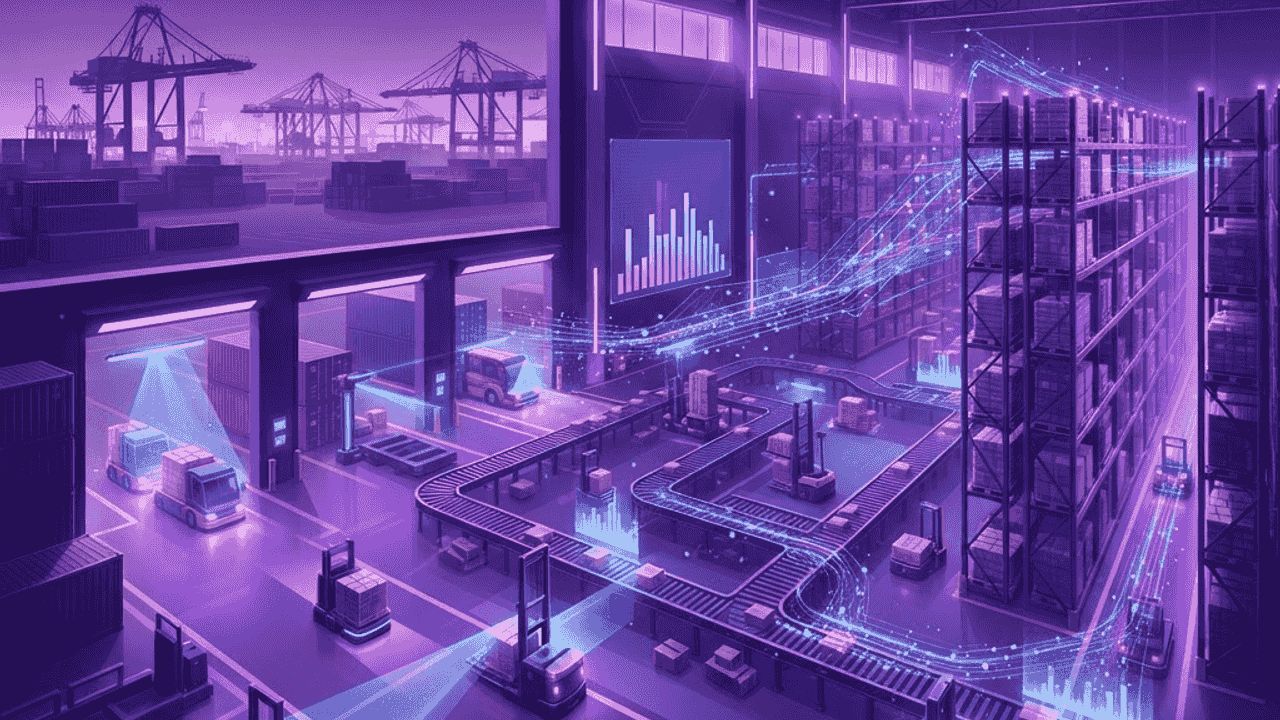
Why Newark Is a National Warehousing Powerhouse
Newark's industrial economy is built on geography. The Port of New York and New Jersey, whose largest marine terminals sit in Newark and neighboring Elizabeth, is the busiest container port on the East Coast. Newark Liberty International Airport handles substantial air cargo volume, and Interstates 78, 95, and 280 plus the New Jersey Turnpike converge nearby. Roughly one third of the United States population can be reached within a day's truck drive.
That advantage creates fierce competition for space. Vacancy rates in the Newark submarket have historically ranked among the tightest in the country, and rents reflect the premium on being close to the port. For shippers, choosing the right warehousing partner means balancing cost per pallet against drayage distance, labor availability, technology, and compliance capability. The providers below were evaluated on facility footprint, service breadth, technology stack, regulatory credentials, and demonstrated performance with complex freight.
How This List Was Evaluated
Assessment criteria included warehouse management system sophistication, integration with customer ERP and e-commerce platforms, customs and bonded storage capability, temperature-controlled options, transloading and drayage services, safety and sustainability records, scalability during peak season, and depth of local operational experience in the Newark-Elizabeth corridor.
1. NFI Industries
NFI Industries is a New Jersey-headquartered supply chain operator with an extensive dedicated and multi-client warehousing portfolio across the state. Its strength is integration: warehousing, dedicated fleet transportation, intermodal drayage, and brokerage under one contract, which reduces handoffs between vendors. NFI has also invested heavily in electric drayage trucks and automated material handling, appealing to shippers with emissions reduction targets.
2. Prologis
Prologis is the largest industrial real estate owner globally and a defining presence in the Newark-Elizabeth market. While primarily a landlord rather than a third-party operator, it supplies the modern high-clear-height buildings that most major logistics providers occupy, along with build-to-suit development, Essentials equipment programs, and energy and solar solutions. For companies running their own operations, a Prologis facility offers proximity to the port and institutional-grade infrastructure.
3. DHL Supply Chain
DHL Supply Chain brings global contract logistics expertise to northern New Jersey, with capabilities spanning retail and e-commerce fulfillment, returns processing, packaging and kitting, and life sciences handling. Its scale allows rapid ramp-up during peak season, and its robotics and warehouse automation deployments are among the most advanced in the industry. Strong quality management systems make it a frequent choice for regulated products.
4. GEODIS
GEODIS operates contract logistics and freight forwarding services in the region, combining warehousing with ocean and air freight management. That combination is particularly useful for importers moving containers through Port Newark who want a single provider handling forwarding, customs clearance, deconsolidation, storage, and outbound distribution. GEODIS is also known for flexible omnichannel fulfillment configurations.
5. Kuehne+Nagel
Kuehne+Nagel is one of the world's leading freight forwarders, with strong sea logistics volumes through the Port of New York and New Jersey and complementary contract logistics space in the region. Its pharmaceutical and healthcare logistics credentials, including validated temperature-controlled handling, distinguish it for shippers with strict cold chain and documentation requirements.
6. DB Schenker
DB Schenker offers integrated warehousing, land transport, air and ocean freight, and customs brokerage. In the Newark market, its value lies in coordinated import handling: containers cleared, transloaded, stored, and dispatched under one operational plan. The company has also pushed digital booking and visibility platforms that give customers order-level tracking across modes.
7. APM Terminals and Port Newark Container Terminal
APM Terminals Elizabeth and Port Newark Container Terminal are the marine terminals where much of the region's containerized freight physically enters the country. While they are terminal operators rather than traditional warehouses, their on-dock rail, chassis management, and appointment systems directly determine how quickly cargo reaches nearby warehouses. Understanding their gate operations is essential for any Newark distribution strategy.
8. Ryder System
Ryder provides warehousing, dedicated transportation, and last-mile delivery, with particular strength serving mid-sized shippers that need turnkey operations without long-term real estate commitments. Its multi-client facilities allow companies to scale square footage seasonally, and its e-commerce fulfillment network supports two-day delivery coverage from the dense Northeast corridor.
9. Saddle Creek Logistics Services
Saddle Creek Logistics Services specializes in omnichannel fulfillment, combining warehousing, transportation, and packaging services. It is well regarded among consumer brands that sell simultaneously through retail distribution, wholesale, and direct-to-consumer channels, since inventory can be pooled in one building and allocated dynamically. Its technology platform and reverse logistics capabilities are frequently cited strengths.
10. Iron Mountain
Iron Mountain serves a different but essential warehousing need: secure storage of records, media, and high-value assets, alongside data center and digitization services. For Newark's large legal, insurance, healthcare, and government sectors, chain-of-custody documentation and compliance-grade destruction services matter more than pallet throughput, and Iron Mountain remains the benchmark in that category.
Industry Trends in the Newark Market
Several forces are reshaping local warehousing. Automation adoption is accelerating as labor costs rise and available workers remain scarce. Cold storage demand keeps expanding with online grocery and pharmaceutical growth. Sustainability requirements are pushing operators toward rooftop solar, LED retrofits, and electric drayage fleets, partly driven by air quality concerns in communities adjacent to the port. Finally, importers are diversifying gateways and holding more safety stock, which sustains demand for flexible short-term space.
How to Choose a Warehousing Partner
Start by mapping your freight profile: container volume, SKU count, order size, temperature needs, and seasonality. Then evaluate drayage distance from the terminal, since a few miles can materially change cost. Ask for warehouse management system demonstrations, integration timelines, cycle count accuracy figures, and peak-season staffing plans. Confirm insurance, customs bonds, and any industry-specific certifications before signing.
Final Thoughts
Newark's warehousing market is expensive precisely because it is valuable. The right provider converts that location advantage into faster delivery promises and lower total landed cost. Whether the priority is bonded import handling, e-commerce fulfillment, cold chain integrity, or secure records storage, the operators above represent the depth of capability available in one of the country's most strategic logistics corridors.