
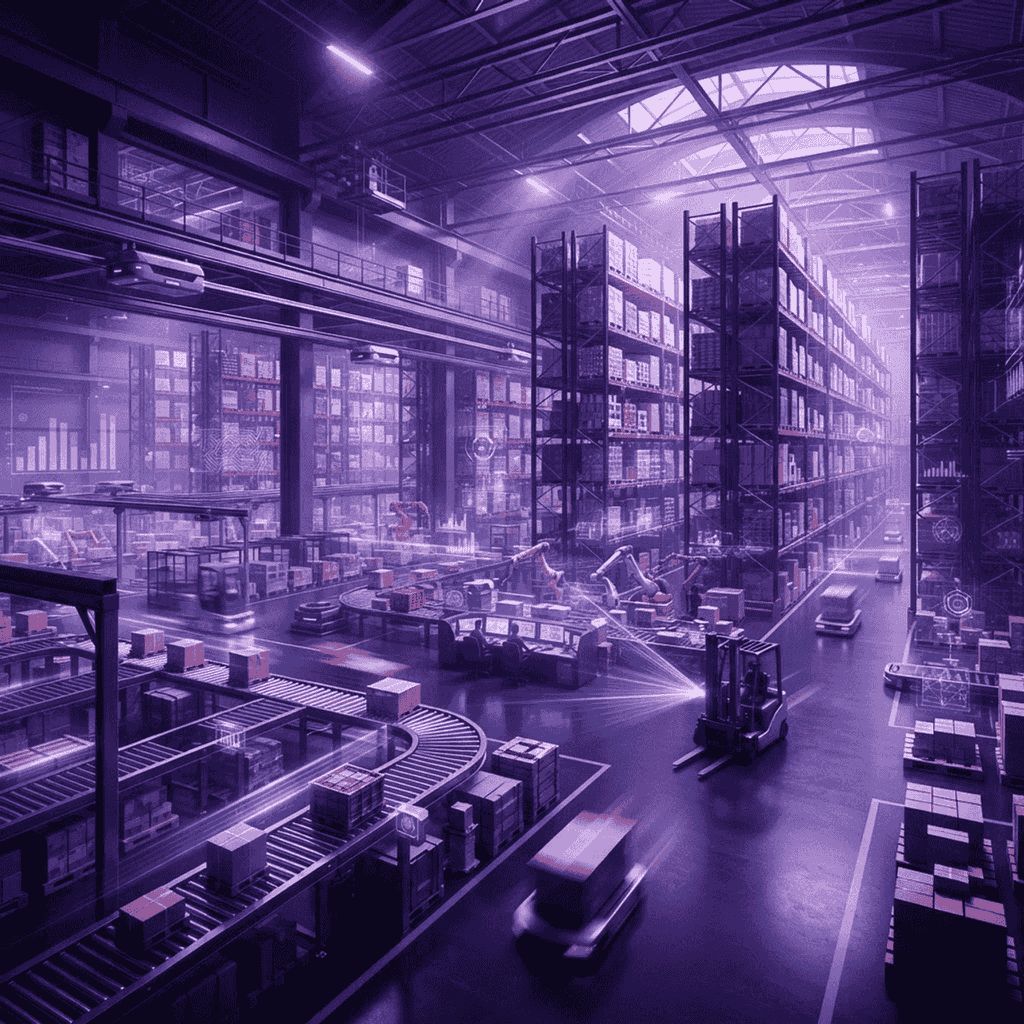
The Strategic Value of Warehouse Space in Long Beach
Proximity to the marine terminals changes warehouse economics. Every mile a container must travel from the port adds drayage cost, driver hours and risk of missing a return appointment. As a result, industrial space near San Pedro Bay commands premium rents and maintains persistently low vacancy. Companies that secure the right warehousing partner gain a durable cost advantage; those that do not often absorb avoidable demurrage, detention and expedite charges.
The warehousing market here is not monolithic. Transload operators strip ocean containers into domestic trailers to reduce inland cost. Fulfillment providers pick and pack e-commerce orders. Bonded and foreign trade zone facilities defer duty. Cold storage handles food and pharmaceuticals. Choosing well starts with identifying which of these functions your product actually needs.
1. Prologis
Prologis is one of the largest industrial real estate owners in the world and holds a significant portfolio in the Los Angeles and Long Beach industrial submarkets. It is a landlord rather than a service provider, which suits companies that operate their own warehouse teams and want modern buildings with high clear heights, ample dock doors and truck court depth near the port.
2. Lineage
Lineage is a leading temperature-controlled warehousing provider with substantial cold chain capability. Food importers and exporters depend on facilities like this for blast freezing, refrigerated storage, inspection support and compliance with food safety requirements from receipt through outbound loading.
3. Americold
Americold is another major cold storage operator with deep experience serving grocery, protein and produce supply chains. Its strengths include temperature integrity documentation, retail-compliant order building and integration with cold chain transportation partners.
4. Weber Logistics
Weber is a California-centric third-party logistics provider with warehouse operations built around West Coast retail distribution. Because its footprint is regionally concentrated, it understands state regulatory requirements, retail routing guides and the practicalities of serving California grocers and big-box retailers efficiently.
5. NFI Industries
NFI operates large-scale distribution facilities alongside its transportation businesses, allowing customers to bundle warehousing with drayage and dedicated fleet capacity. Integrated providers reduce finger-pointing when a container arrives late, since one company owns the whole chain.
6. DHL Supply Chain
DHL brings globally standardized contract logistics processes, automation experience and value-added services such as labeling, kitting, quality inspection and returns processing. Brands with multi-site networks often appreciate the consistency of operating the same way in every facility.
7. Port Logistics Group
This provider focuses specifically on port-adjacent transload, deconsolidation and distribution work. For importers whose primary objective is emptying containers quickly and converting ocean freight into domestic loads, a dedicated transload specialist frequently outperforms a general warehouse.
8. Saddle Creek Logistics Services
Saddle Creek combines omnichannel fulfillment with transportation management, serving brands that ship both retail replenishment pallets and individual consumer orders from shared inventory. Its technology stack and packaging capabilities suit growing consumer brands.
9. WSI
WSI provides contract warehousing, fulfillment and chemical logistics with a reputation for operational rigor and customer transparency. Companies handling regulated commodities value providers with documented safety programs and specialized storage authorization.
10. GEODIS
GEODIS rounds out the list with substantial contract logistics capability, investment in warehouse automation and integrated freight forwarding. It is a strong option for shippers who want warehousing tied directly to international transportation management.
Matching Warehouse Type to Business Need
If your priority is reducing inland transportation cost, look for transload capability with efficient container unloading and trailer loading. If you sell direct to consumers, prioritize fulfillment providers with proven order accuracy, same-day cutoffs and e-commerce platform integrations. If you import food, cold chain certification and temperature documentation are non-negotiable. If cash flow is tight and duty is significant, a bonded warehouse or foreign trade zone facility may defer or eliminate duty payments until goods are sold.
Key Trends in Warehousing
Automation adoption continues to accelerate, with goods-to-person systems, autonomous mobile robots and automated storage becoming viable at smaller scales than a decade ago. Labor availability and cost remain the dominant operating constraint in Southern California, which is precisely why automation investment is rising. Sustainability requirements are also reshaping facilities, with solar installations, electric yard trucks, LED retrofits and stormwater management now common expectations rather than differentiators.
Inventory strategy has shifted too. After years of just-in-time orthodoxy, many companies now carry additional buffer stock closer to demand, which increases warehouse space requirements. Combined with structurally limited land near the port, this keeps the market tight and pushes some distribution activity inland while retaining transload functions close to the terminals.
How to Evaluate a Warehousing Partner
Tour the facility in person and observe housekeeping, dock congestion and staff engagement. Ask for inventory accuracy, on-time shipping and order accuracy metrics from the past year. Confirm warehouse management system capabilities and how data will integrate with your systems, since manual reporting creates errors and delays. Review the contract carefully for storage measurement methods, minimum volume commitments, accessorial charges and liability limits. Finally, understand the labor model, because facilities dependent heavily on temporary staffing may struggle with quality during peak season.
Final Thoughts
Warehousing in Long Beach is a strategic decision rather than a commodity purchase. The right partner reduces drayage cost, protects inventory, accelerates order flow and absorbs seasonal volatility. Define your functional requirement precisely, evaluate providers on measurable performance, and treat proximity to the port as the valuable asset it genuinely is.