
The Foundation of Modern Supply Chains
Behind every smooth-running supply chain lies efficient warehousing. In Finland, warehousing companies provide the critical infrastructure that allows goods to be stored, managed, and distributed effectively across a geographically vast country. As e-commerce expands and businesses demand faster, more flexible fulfilment, the warehousing sector has evolved from simple storage into sophisticated, technology-driven logistics operations. Understanding the leading warehousing companies reveals how Finnish businesses keep inventory flowing and customers satisfied.
The Leading Warehousing Companies
Posti Group operates extensive warehousing and fulfilment facilities across Finland, offering integrated storage, order processing, and distribution services that complement its delivery network. DB Schenker provides large-scale contract logistics and warehousing solutions, combining storage with value-added services such as labelling, kitting, and returns handling. DSV Solutions delivers flexible warehousing tailored to diverse industries, from retail to industrial goods.
Kuehne+Nagel offers advanced contract logistics with a strong focus on technology and efficiency, while DHL Supply Chain provides comprehensive warehousing and fulfilment services for multinational and local clients. Domestic specialists such as Kaukokiito combine warehousing with their national transport networks, and Transval, a leading Finnish in-house logistics provider, is renowned for warehouse operations, staffing, and process optimisation. Varova and other freight-forwarding firms round out the market with bonded warehousing and customs storage capabilities.
Modern Warehousing Services
Today's warehousing companies in Finland offer far more than shelf space. Comprehensive services include inventory management, order fulfilment, pick and pack operations, cross-docking, and returns processing. Value-added services such as product assembly, labelling, repackaging, and quality control allow businesses to outsource complex logistics tasks and focus on their core activities.
Third-party logistics, or 3PL, has become a cornerstone of the industry. By entrusting warehousing and fulfilment to specialists, companies gain scalability, flexibility, and access to advanced infrastructure without heavy capital investment. This model is particularly valuable for growing e-commerce businesses that need to scale quickly and manage seasonal fluctuations.
Technology and Automation
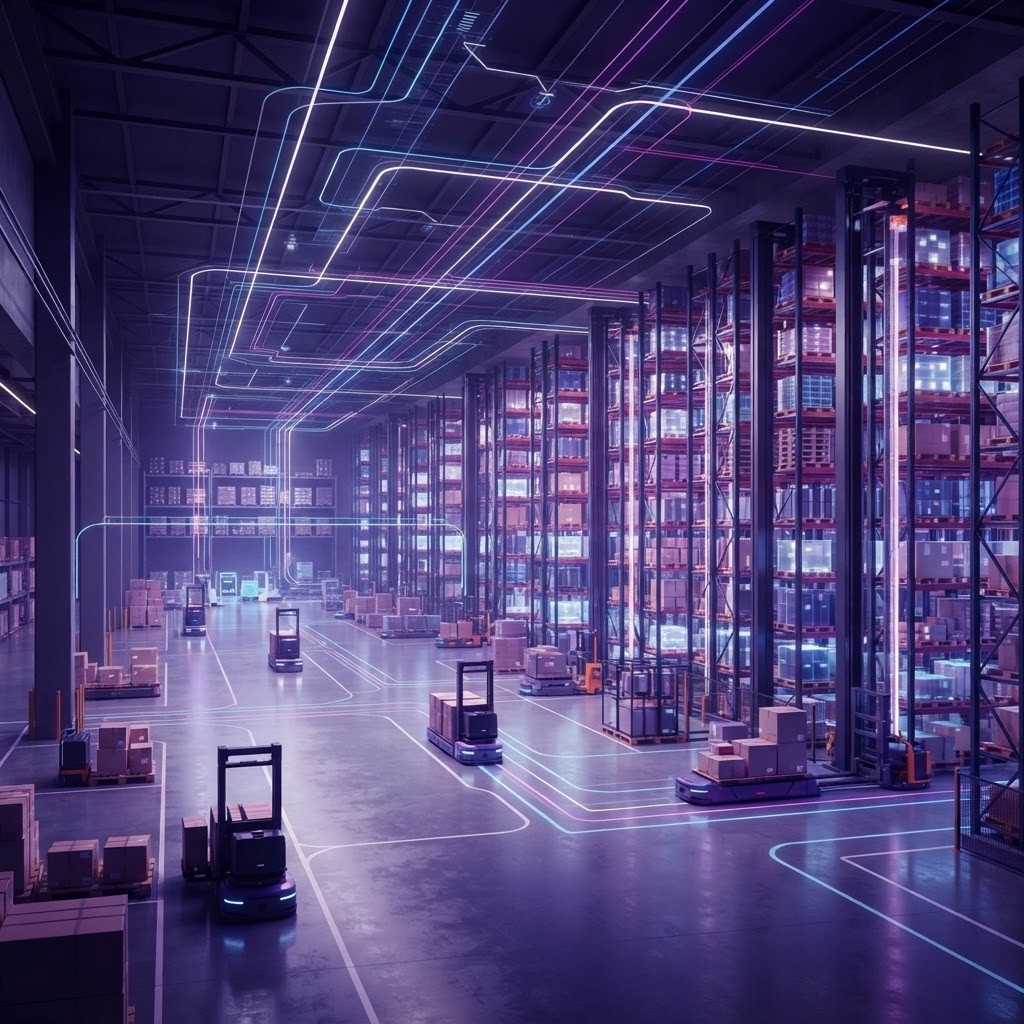
Automation is transforming Finnish warehousing. Modern facilities increasingly deploy robotics, automated storage and retrieval systems, conveyor networks, and warehouse management software to boost speed and accuracy. These technologies reduce errors, optimise space, and accelerate order processing, enabling faster delivery to customers.
Data analytics and real-time inventory tracking give businesses unprecedented visibility into their stock, helping them make informed decisions and avoid costly shortages or overstocking. Integration between warehouse systems and e-commerce platforms ensures orders flow seamlessly from checkout to doorstep. As labour costs rise and demand grows, investment in automation continues to accelerate across the sector.
Specialised and Temperature-Controlled Storage
Not all goods can be stored in standard conditions. Finnish warehousing companies offer specialised facilities for temperature-sensitive products, including refrigerated and frozen storage for food and pharmaceuticals. Bonded warehouses handle goods under customs control, facilitating international trade. Secure storage for high-value items and compliant handling of hazardous materials further demonstrate the sector's versatility.
This range of specialised offerings ensures that businesses across industries, from food and healthcare to electronics and heavy industry, can find warehousing solutions tailored to their specific requirements.
Strategic Locations and Infrastructure
Location is critical in warehousing, and Finnish providers position facilities strategically near major ports, airports, rail hubs, and population centres. The greater Helsinki area, along with logistics hubs near Turku, Tampere, and the port of HaminaKotka, hosts significant warehousing capacity. Proximity to transport infrastructure enables efficient distribution both domestically and internationally, reducing transit times and costs.
Sustainability in Warehousing
Environmental responsibility is increasingly shaping warehouse design and operations. Energy-efficient buildings, LED lighting, solar power, and smart heating systems reduce energy consumption in a country where winter heating is significant. Sustainable packaging, waste reduction, and recycling initiatives further lower environmental impact. These green practices reflect Finland's climate commitments and appeal to environmentally conscious clients.
Supporting E-Commerce Fulfilment
The rapid growth of online retail has placed warehousing at the centre of the customer experience. Modern fulfilment centres in Finland are designed to process high volumes of individual orders quickly and accurately, a very different challenge from traditional bulk storage. Efficient pick-and-pack operations, seamless integration with online stores, and fast dispatch are now critical to meeting consumer expectations for next-day and same-day delivery. Warehousing companies increasingly offer dedicated e-commerce fulfilment services, handling everything from inventory storage to packaging and returns. This allows online retailers to scale without the burden of managing their own logistics infrastructure. As shopping habits continue to shift toward digital channels, the ability of warehousing providers to deliver flexible, technology-driven fulfilment has become a decisive competitive advantage for the businesses they serve.
Choosing the Right Warehousing Partner
Selecting a warehousing company depends on factors such as product type, storage requirements, location, and service needs. Businesses handling perishables require temperature-controlled facilities, while e-commerce companies benefit from providers with strong fulfilment and returns capabilities. Scalability, technology, location, and reliability are key considerations. A partner with proven expertise and modern infrastructure can significantly enhance supply chain performance.
Conclusion
Warehousing companies form the backbone of Finland's logistics and commerce, providing the storage, fulfilment, and distribution capabilities that keep goods moving efficiently. From integrated providers like Posti and DB Schenker to specialists such as Transval, the sector combines advanced technology, specialised facilities, and strategic locations to meet diverse business needs. As automation and sustainability drive the industry forward, Finnish warehousing continues to deliver the reliability and flexibility that modern supply chains demand.