
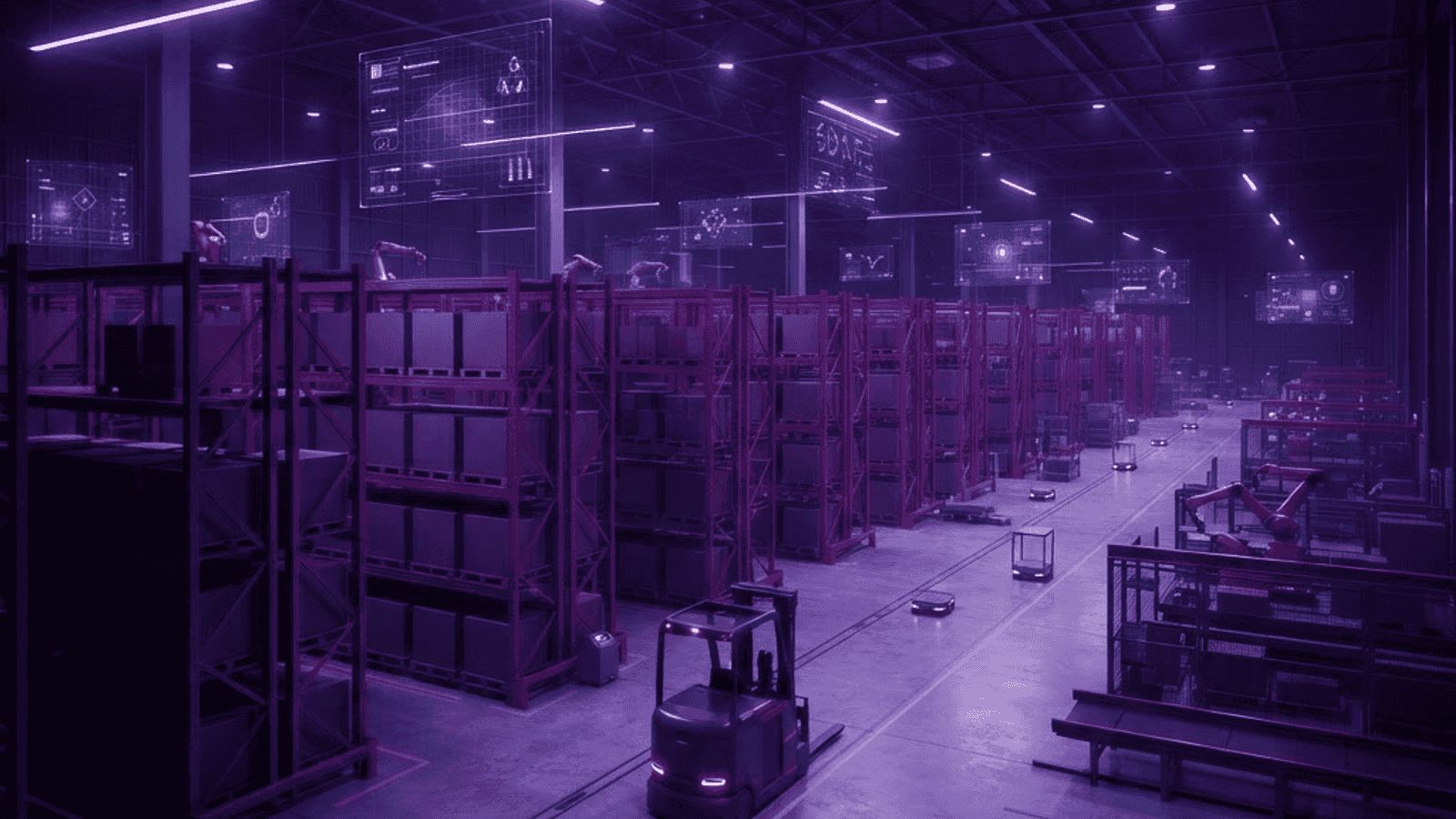
Warehousing as Strategic Infrastructure
Warehouse space is not simply storage. It is where inventory strategy becomes physical, where import containers are transloaded, where products are labeled and kitted for retailers, and where fulfillment operations determine whether a customer receives an order tomorrow or next week. In Corpus Christi, warehousing carries additional weight because the city functions as a gateway: cargo arrives by vessel, rail, and truck, and much of it needs to pause somewhere before continuing inland or outbound.
Demand comes from several distinct sources. Energy and petrochemical operations require industrial storage for equipment, pipe, and materials. Agricultural shippers need covered space for cotton, grain, and inputs. Wind energy projects stage enormous components. Retailers and distributors serving South Texas position inventory closer to customers. And a growing e-commerce sector needs fulfillment capacity with pick-and-pack labor. Each of those uses demands different building characteristics.
What to Look For in a Warehouse
Clear height determines how many pallet positions fit in a given footprint; modern distribution buildings offer thirty feet or more, while older facilities may offer eighteen. Dock configuration matters just as much: dock-high doors with levelers, drive-in ramps for heavy equipment, and adequate truck court depth for fifty-three-foot trailers to maneuver. Floor load capacity constrains heavy industrial storage. Fire protection classification affects what commodities may be stored and at what height.
Beyond the building, evaluate the operation. Warehouse management systems provide inventory accuracy and real-time visibility. Labor availability and training determine throughput. Security includes fencing, lighting, cameras, and access control. Certifications such as food-grade or bonded status may be prerequisites. Finally, location relative to the port, rail interchange, and Interstate 37 has a direct effect on drayage cost.
The Top 10 Warehousing Companies Serving Corpus Christi
1. Port of Corpus Christi Warehousing and Terminal Facilities
The port authority and its terminal operators offer on-dock and near-dock warehousing that eliminates a truck movement between vessel and storage. For breakbulk cargo, bagged commodities, project equipment, and steel products, that adjacency reduces both cost and handling damage. Direct rail access at several facilities allows storage and onward shipment without additional drayage.
2. Ryder Supply Chain Solutions
Ryder combines warehousing with transportation management, offering dedicated and shared space plus value-added services such as labeling, kitting, and returns processing. Its appeal is single-vendor accountability: when the same provider stores and delivers inventory, finger-pointing over service failures disappears and performance metrics become straightforward.
3. DHL Supply Chain
DHL brings enterprise-grade warehouse management systems, engineered processes, and continuous improvement discipline to contract logistics. Clients with complex inventory profiles, regulatory requirements, or international flows benefit from its integration capability and its documented approach to reducing cost per unit handled over the life of a contract.
4. GEODIS Contract Logistics
GEODIS operates distribution and fulfillment facilities with strong e-commerce capability, including order management, parcel optimization, and returns handling. For consumer brands and retailers serving South Texas, positioning inventory in the region shortens delivery promises while consolidating inbound freight to reduce transportation spend.
5. Gulf Coast Warehouse and Distribution
Regional third-party warehouses provide flexible, scalable space without long-term commitments. Shared warehousing models charge by pallet position and transaction, which converts fixed facility cost into variable expense. This is often the right answer for seasonal businesses, project-based inventory, and companies testing the South Texas market before committing capital.
6. Savage Bulk Terminals
Bulk material handling specialists operate storage domes, silos, and open yards for aggregates, fertilizer, grain, frac sand, and industrial minerals. These facilities require entirely different engineering than pallet warehousing, including conveyor systems, dust control, moisture management, and rail loading capability, and the operators are chosen for handling expertise rather than square footage.
7. Coastal Bend Cold Storage
Temperature-controlled warehousing serves food distributors, seafood processors, agricultural exporters, and pharmaceutical customers. Cold storage demands redundant refrigeration, continuous temperature monitoring and logging, and rigorous sanitation programs. Given the region's seafood industry and produce flows, refrigerated capacity is a persistently valuable asset in the Coastal Bend market.
8. Industrial Laydown Yards and Project Storage
Open-air laydown yards support refinery turnarounds, plant construction, pipeline projects, and wind energy component staging. Requirements center on acreage, surface stability, crane access, security, and proximity to project sites along the ship channel. Providers in this category compete on availability during peak construction cycles, when capacity tightens dramatically.
9. Bonded and Foreign Trade Zone Warehousing
Facilities with bonded status or foreign trade zone designation allow importers to defer, reduce, or eliminate duties while goods remain in storage or undergo processing. For companies importing components for assembly or re-export, these financial advantages frequently outweigh differences in storage rates, making zone status a genuinely strategic consideration.
10. Self-Storage and Small Business Warehousing
Not every business needs fifty thousand square feet. Commercial self-storage, flex industrial units, and small-bay warehouse condominiums serve contractors, distributors, and online sellers needing a few hundred to a few thousand square feet with roll-up door access. These options provide the lowest entry cost and the greatest lease flexibility in the market.
Shared Versus Dedicated Space
Shared or multi-client warehousing spreads fixed costs across customers and charges transactionally, which suits variable volumes and shorter commitments. Dedicated space assigns a defined area and staff to one customer, offering process control, customization, and typically lower unit costs at high volumes, in exchange for longer commitments and fixed expense. Many companies begin shared and migrate to dedicated as volumes stabilize, which is a reasonable progression as long as the initial contract does not penalize the transition.
Trends in Warehousing
Automation has moved downmarket. Goods-to-person systems, autonomous mobile robots, and automated sortation are now deployed by regional operators, not just national ones, largely because labor scarcity made the return on investment compelling. Inventory strategies have shifted toward resilience after repeated supply disruptions, increasing demand for buffer stock space. Sustainability appears in warehouse design through LED lighting, solar installations, and improved insulation, and in operations through packaging reduction.
Locally, continued energy export growth and nearshoring-driven manufacturing in Mexico keep industrial real estate demand firm around Corpus Christi, and storm resilience has become a formal evaluation criterion, with tenants asking about elevation, wind rating, backup power, and documented recovery plans.
How to Negotiate a Warehousing Agreement
Model your true requirement first: pallet positions at peak rather than average, inbound and outbound transaction counts, and any special handling. Request pricing broken into storage, handling, and accessorial components so comparisons are meaningful. Clarify how storage is measured and billed, since methods vary and produce very different invoices for the same inventory. Confirm inventory accuracy standards, cycle count frequency, and liability for shrinkage or damage. Review insurance requirements and whether the provider's coverage protects your goods or only their building. Finally, negotiate the exit terms, including notice periods and cooperation during transition, before you need them.
Final Thoughts
Corpus Christi's warehousing market spans on-dock port facilities, national contract logistics operators, bulk terminals, cold storage, industrial laydown yards, and small flex units. The right facility follows from your commodity, volume, service requirements, and location economics rather than from headline rate per square foot. Define requirements precisely, evaluate operations as carefully as buildings, and structure agreements with room to grow, and warehousing becomes a lever for service improvement rather than a fixed cost to endure.