
Columbia, South Carolina, has quietly become one of the most important logistics corridors in the Southeast. With three major interstates converging in the Midlands, direct routes to the Port of Charleston, and reliable rail connections, the region gives shippers access to a large share of the East Coast population within a single day of trucking. That geography has attracted national third-party logistics providers, cold-chain specialists, and e-commerce fulfillment operators to Richland and Lexington counties.
Choosing the right warehousing partner, however, is about more than square footage. Businesses need accurate inventory control, modern warehouse management systems, scalable labor, and value-added services such as kitting, cross-docking, and returns processing. Below are ten warehousing companies with a strong presence or service footprint in the Columbia market, along with the strengths that make them worth considering.
Why Columbia Is a Warehousing Hotspot
The Midlands benefits from competitive industrial real estate costs compared to Charlotte and Atlanta, a growing workforce supported by Midlands Technical College training programs, and business-friendly state incentives. Industrial parks along the I-26 corridor toward West Columbia and Cayce, as well as sites near Blythewood to the north, continue to add modern high-clearance buildings designed for automation and high-velocity fulfillment.
The Top 10 Warehousing Companies in Columbia
1. GXO Logistics
GXO is one of the largest pure-play contract logistics companies in the world, and its Southeast operations support retail, consumer goods, and industrial clients. The company is known for deploying robotics, goods-to-person systems, and advanced analytics inside customer warehouses. For Columbia-area businesses that expect rapid growth or seasonal peaks, GXO offers the scale and technology depth to redesign fulfillment workflows without building an in-house logistics department.
2. DHL Supply Chain
DHL Supply Chain brings global expertise to regional distribution in the Carolinas. Its dedicated and multi-client warehouses handle everything from automotive parts to healthcare products. Clients value DHL for its disciplined operating standards, strong safety culture, and investment in collaborative robots. Companies shipping internationally through Charleston appreciate the ability to align warehousing with freight forwarding and customs support under one provider.
3. Ryder System
Ryder is a familiar name across South Carolina thanks to its fleet leasing business, but its supply chain solutions division is equally significant. Ryder offers warehousing, dedicated transportation, and e-commerce fulfillment that can be bundled together. That integrated model is attractive to Midlands manufacturers that want a single partner responsible for inbound materials, storage, and final-mile delivery to customers throughout the region.
4. Kenco Logistics
Kenco is a privately held logistics provider with a long history in the Southeast and a reputation for engineering-driven operations. Its teams focus on continuous improvement, lean principles, and detailed performance reporting. Businesses that want a hands-on partner rather than a faceless mega-provider often find Kenco's culture appealing, particularly for manufacturing support, packaging, and aftermarket parts distribution.
5. GEODIS
GEODIS operates contract logistics facilities across the United States and is known for serving retail, technology, and consumer brands. Its warehousing services include pick-and-pack fulfillment, returns management, and light assembly. For companies selling both to stores and directly to consumers, GEODIS has experience running omnichannel operations that balance large wholesale orders with thousands of individual parcels each day.
6. NFI Industries
NFI is a family-owned supply chain company offering warehousing, transportation, and intermodal services. Its distribution centers are designed for high-volume consumer goods, and the company has invested heavily in sustainability initiatives, including alternative-fuel trucks. Midlands shippers that care about environmental reporting alongside cost control frequently shortlist NFI when evaluating long-term warehousing partners.
7. Americold Logistics
Food producers and grocery distributors need temperature-controlled space, and Americold is one of the leading cold storage operators in North America. Its facilities handle frozen, chilled, and ambient products with strict food safety protocols. South Carolina poultry, produce, and packaged food businesses rely on cold-chain partners like Americold to maintain product quality from processing plants to retail shelves.
8. Lineage
Lineage is another major name in temperature-controlled warehousing, known for pairing refrigerated storage with data science to optimize energy use and inventory flow. Its network across the Southeast gives Columbia-area food and beverage brands flexibility to position product close to demand. Lineage also offers blast freezing, repacking, and transportation services that simplify cold-chain management.
9. Saddle Creek Logistics Services
Saddle Creek is a Southeast-rooted third-party logistics company that has grown into a national provider of warehousing, omnichannel fulfillment, and transportation. It is especially strong with consumer packaged goods and retail brands. Clients often highlight Saddle Creek's responsiveness, customized reporting, and willingness to tailor processes for mid-sized companies that want enterprise-level capabilities.
10. Palmetto Moving and Storage
Not every warehousing need involves pallets of consumer goods. Local and regional moving and storage companies serve households, government agencies, universities, and small businesses that need secure short- or long-term storage. Operators such as Palmetto Moving and Storage provide climate-conscious storage, records handling, and office relocation support, filling an important niche in a capital city with a large public sector presence.
Warehousing Trends in the Midlands
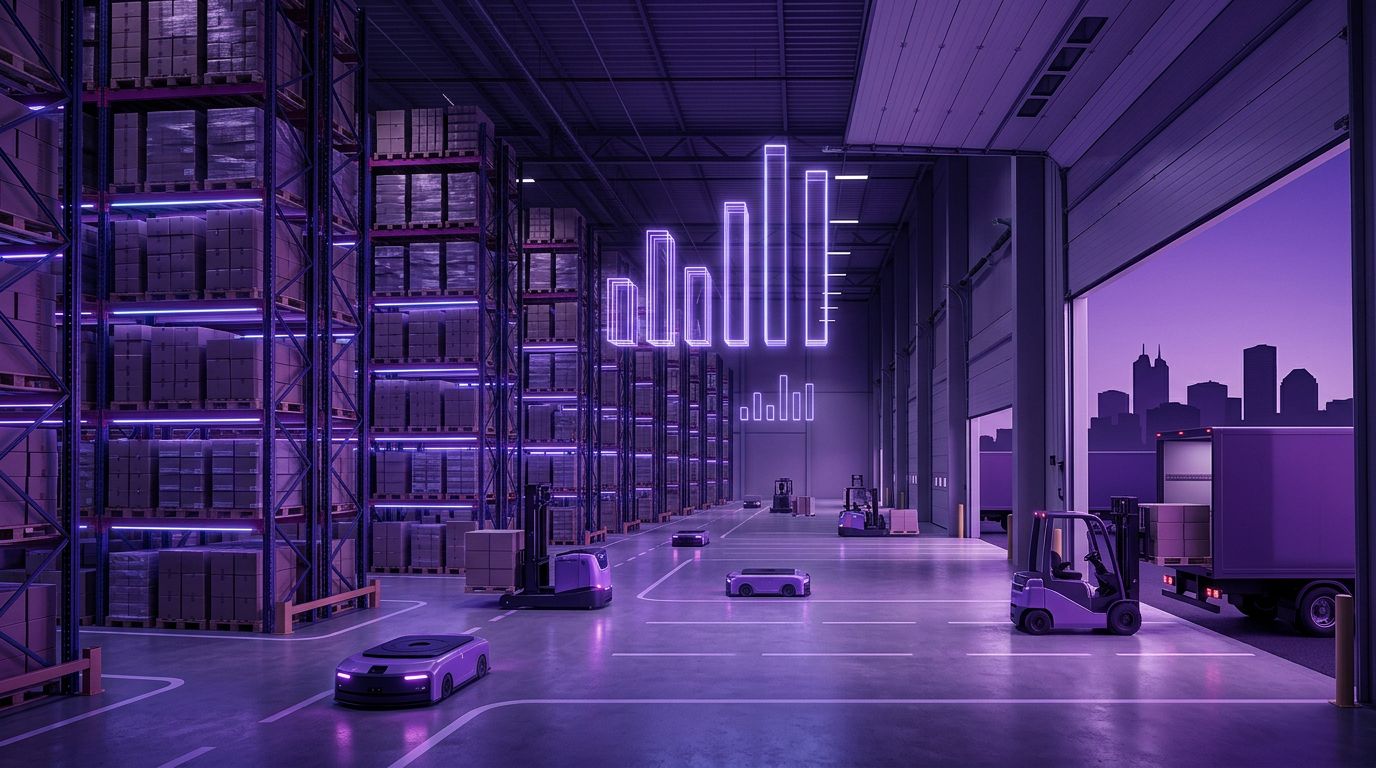
Automation is reshaping warehouses across the Columbia region. Autonomous mobile robots, pick-to-light systems, and cloud-based warehouse management platforms are helping operators improve accuracy while coping with tight labor markets. E-commerce growth has also increased demand for smaller, faster fulfillment centers located close to population centers, allowing next-day and even same-day delivery across the Carolinas.
How to Choose a Warehousing Partner in Columbia
Start by mapping your order profile: average order size, peak season volume, storage temperature requirements, and delivery speed expectations. Ask each provider about its warehouse management system, integration options with your e-commerce or ERP platform, and inventory accuracy rates. Visit facilities in person when possible and look at cleanliness, safety signage, and how teams handle exceptions. Finally, review contract flexibility so you can scale up or down as your business evolves.
Final Thoughts
Columbia's central location, affordable industrial space, and access to interstate and port infrastructure make it a smart base for distribution. Whether you need global scale, cold-chain expertise, or a flexible regional partner, the companies above represent some of the strongest warehousing options serving the Midlands today.