
The Strategic Importance of Warehousing
Warehousing is a critical pillar of Australia's supply chain and logistics ecosystem. As e-commerce expands and consumer expectations for rapid delivery rise, the ability to store, manage, and distribute goods efficiently has never been more important. Modern warehousing companies provide far more than storage; they offer integrated solutions that streamline inventory, fulfilment, and distribution.
Australia's leading warehousing providers operate strategically located facilities near major ports, transport hubs, and population centres. These networks enable businesses to reduce transit times, lower costs, and respond quickly to market demand.
What Defines a Leading Warehousing Provider
Top warehousing companies combine scale, location, technology, and service quality. Strategic facility placement minimises distribution distances, while advanced warehouse management systems ensure accurate inventory control and efficient order fulfilment. Temperature-controlled storage, security, and compliance with industry standards are essential for handling diverse goods.
Value-added services such as kitting, labelling, packaging, and reverse logistics distinguish premium providers. Flexibility and scalability are also important, allowing businesses to adjust capacity in line with seasonal fluctuations and growth.
The Top 10 Warehousing Companies
Toll Group stands as one of the largest logistics providers in the region, offering extensive warehousing and distribution services backed by advanced technology and a nationwide footprint.
Linfox is a leading privately owned logistics company with a vast network of warehouses and a strong reputation for supply chain excellence across multiple industries.
DHL Supply Chain brings global expertise to the Australian market, delivering sophisticated warehousing, fulfilment, and contract logistics solutions.
CEVA Logistics provides comprehensive contract logistics and warehousing services, serving sectors from retail to automotive with tailored solutions.
DB Schenker offers integrated warehousing and distribution capabilities, valued for its global network and commitment to efficiency and innovation.
Australia Post / StarTrack leverages its extensive infrastructure to provide warehousing and fulfilment services well-suited to e-commerce businesses.
Silk Logistics specialises in port logistics and warehousing, connecting import and export flows with efficient storage and distribution.
Border Express combines warehousing with a strong transport network, offering reliable storage and distribution across the country.
Followmont Transport provides warehousing and freight solutions with a focus on customer service and regional coverage, particularly in Queensland.
efm Logistics rounds out the list, offering managed warehousing and supply chain services that help businesses optimise their distribution networks.
Technology Transforming Warehousing
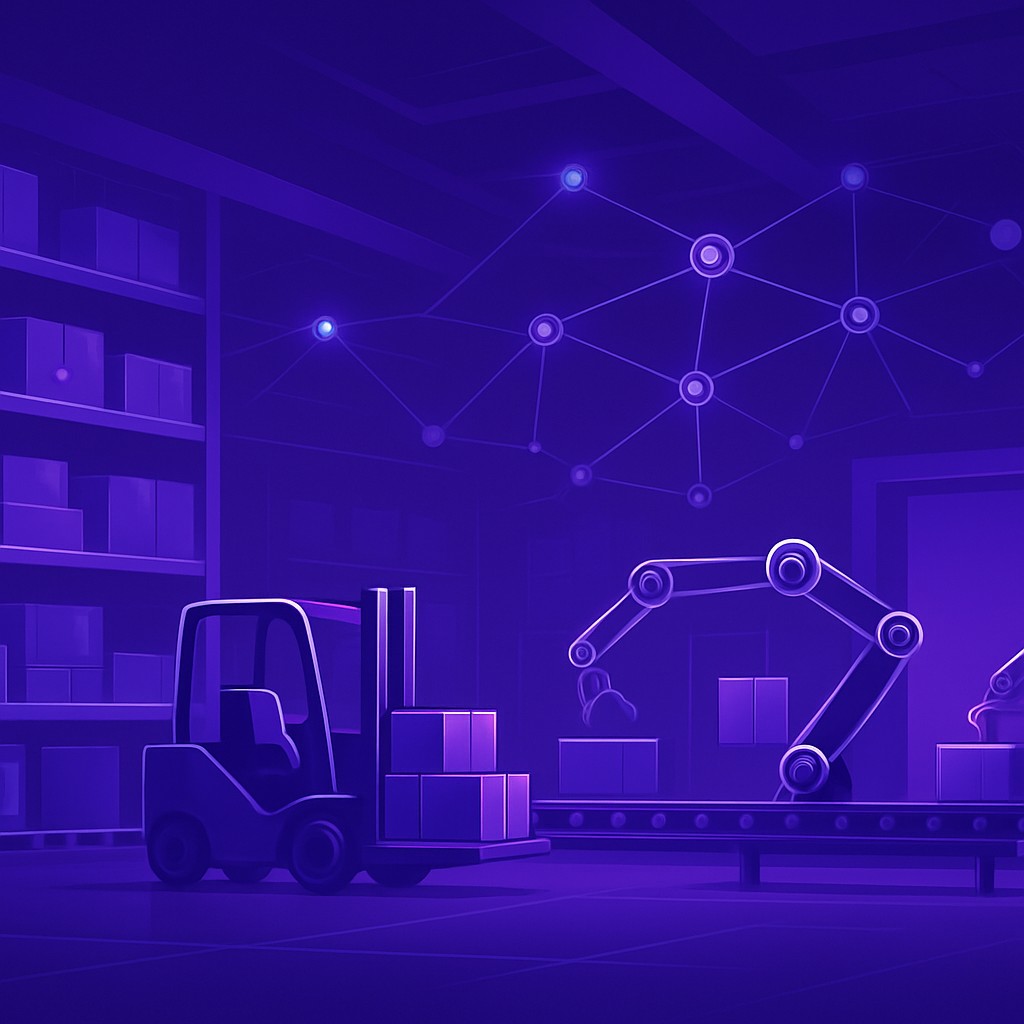
Automation is revolutionising the warehousing sector. Robotics, automated storage and retrieval systems, and conveyor technologies are increasing efficiency and accuracy while reducing labour costs. These innovations enable faster order processing and higher throughput.
Warehouse management systems powered by data analytics provide real-time visibility into inventory levels, order status, and operational performance. This transparency helps businesses make informed decisions and respond rapidly to changing demand.
The integration of the Internet of Things and artificial intelligence is enabling predictive inventory management, optimised storage layouts, and smarter resource allocation. Sustainability is also gaining prominence, with solar-powered facilities and energy-efficient designs becoming more common.
The E-Commerce Effect
The rapid growth of online retail has reshaped warehousing requirements. Fulfilment centres optimised for fast, accurate order picking and dispatch are now in high demand. Businesses increasingly seek third-party logistics partners who can manage end-to-end fulfilment, including same-day and next-day delivery capabilities.
Returns management, or reverse logistics, has become a significant focus as online shopping generates higher return volumes. Efficient handling of returns is now a key differentiator for warehousing providers.
Choosing the Right Warehousing Partner
Selecting a warehousing company depends on factors such as location, capacity, technology, and the specific needs of your products. Businesses handling perishable goods require temperature-controlled facilities, while e-commerce retailers prioritise fast fulfilment and integration with online platforms.
Evaluating scalability, service reliability, and value-added offerings ensures a partnership that supports long-term growth. Visiting facilities and reviewing service agreements are prudent steps before committing.
Conclusion
Australia's warehousing industry is dynamic, technology-driven, and essential to the nation's economy. From global players like DHL and DB Schenker to homegrown leaders such as Linfox and Toll, these companies provide the infrastructure and expertise that power modern supply chains. By embracing automation, data analytics, and sustainability, Australia's warehousing providers are well-positioned to meet the evolving demands of businesses and consumers alike.