
Why Warehousing Matters in Austin's Growing Economy
Austin has evolved from a quiet college town into one of the fastest-growing metropolitan hubs in the United States. With a surge in technology companies, e-commerce brands, manufacturers, and retailers setting up operations in Central Texas, the demand for reliable warehousing has never been higher. Modern warehousing is no longer just about storing pallets on racks; it encompasses inventory management, order fulfillment, cross-docking, cold storage, and last-mile distribution. Businesses that partner with the right warehousing provider gain a competitive edge through faster delivery times, lower operating costs, and greater supply chain resilience.
The city's strategic location along major interstate corridors, combined with proximity to San Antonio, Dallas, and Houston, makes it an ideal distribution point for companies serving the broader Texas market and beyond. This has attracted a diverse mix of third-party logistics (3PL) providers, dedicated fulfillment centers, and specialized storage operators.
What to Look for in a Warehousing Partner
Choosing a warehousing company involves more than comparing square footage and monthly rates. Leading providers differentiate themselves through technology, scalability, and service reliability. Warehouse management systems (WMS) that offer real-time inventory visibility, barcode scanning, and integration with popular e-commerce platforms have become essential. Equally important are security measures, climate control options for sensitive goods, and flexible contracts that allow businesses to scale storage up or down as demand fluctuates.
Location within the Austin metro also plays a crucial role. Facilities near major highways reduce transportation costs and improve delivery speed, while those with easy access to Austin-Bergstrom International Airport support faster air freight operations.
Leading Warehousing Companies Serving Austin
Prologis operates several large-scale industrial and distribution facilities in the Austin area, offering modern, high-clearance spaces designed for efficient logistics operations. Their properties are favored by enterprises that need scalable, well-located warehousing.
Lineage Logistics is a standout for temperature-controlled and cold storage needs, serving food, beverage, and pharmaceutical companies that require strict environmental monitoring and compliance.
XPO Logistics provides comprehensive freight and warehousing solutions, combining transportation expertise with distribution services that help businesses streamline their supply chains.
DHL Supply Chain brings global logistics capabilities to the local market, offering contract warehousing, value-added services, and advanced technology integrations for larger clients.
Ryder System delivers dedicated warehousing and fleet management, making it a strong option for companies seeking an integrated logistics partner.
ShipBob and other e-commerce-focused fulfillment providers have expanded into the region, catering to online retailers that need fast, direct-to-consumer shipping and seamless platform integrations.
Saddle Creek Logistics Services offers omnichannel fulfillment and warehousing designed for growing brands, with a reputation for flexible, technology-driven operations.
NFI Industries provides warehousing and distribution solutions with a focus on dedicated operations and supply chain design.
Americold specializes in temperature-controlled logistics, supporting the region's food and grocery supply chains with reliable cold storage capacity.
Port Logistics Group rounds out the list with retail and e-commerce fulfillment services tailored to companies moving high volumes of consumer goods.
Industry Trends Shaping Austin Warehousing
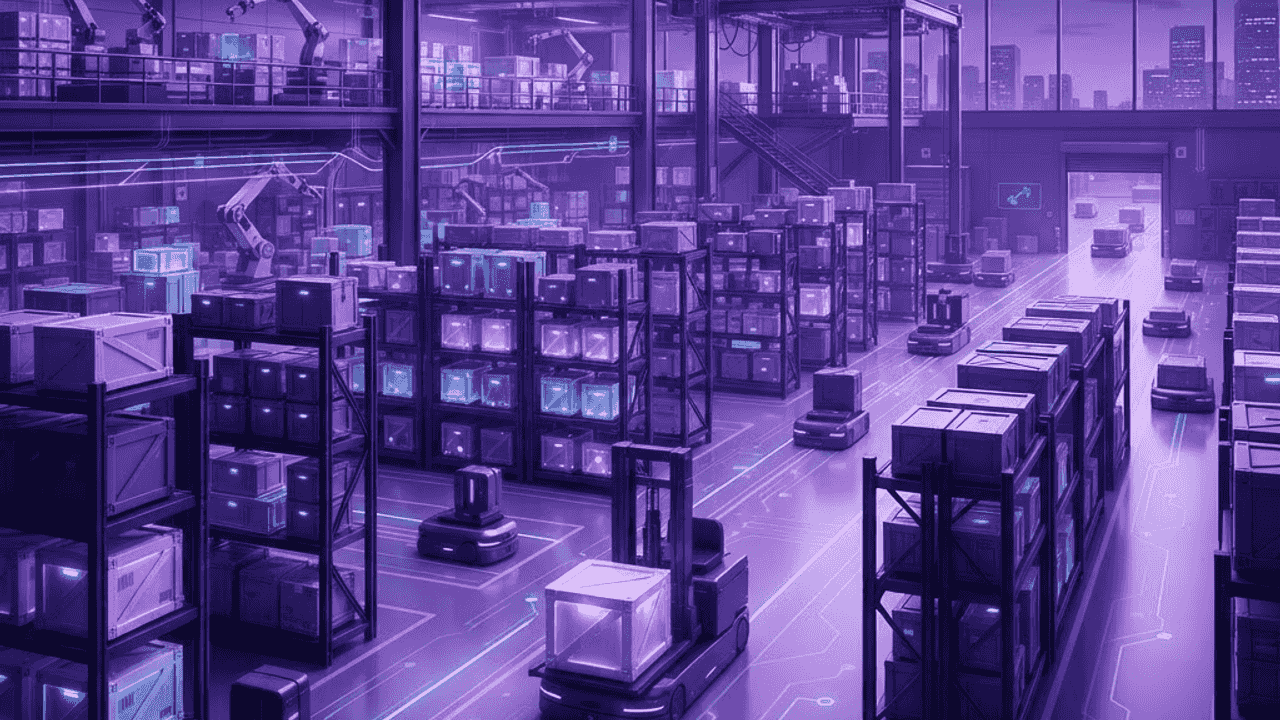
Several trends are transforming warehousing in the Austin region. Automation is at the forefront, with robotics, conveyor systems, and automated storage and retrieval systems improving speed and accuracy while reducing labor dependency. Sustainability is another priority, as companies invest in energy-efficient buildings, solar installations, and electric material-handling equipment to lower their carbon footprint.
The rise of e-commerce has driven demand for smaller, strategically placed distribution centers that enable same-day and next-day delivery. This micro-fulfillment approach positions inventory closer to end customers, cutting shipping times and costs. Additionally, data analytics and artificial intelligence are being used to forecast demand, optimize inventory placement, and reduce waste.
Benefits of Partnering With a Local Warehousing Provider
Working with an established Austin warehousing company offers numerous advantages. Businesses gain access to local market knowledge, established carrier relationships, and facilities that are already integrated into regional transportation networks. Outsourcing warehousing also frees up capital that would otherwise be tied up in real estate, equipment, and staffing, allowing companies to focus on core operations like product development and customer acquisition.
For growing brands, the scalability offered by 3PL providers is invaluable. Seasonal spikes, promotional surges, and rapid expansion can all be accommodated without the burden of long-term commitments or infrastructure investments.
Making the Right Choice for Your Business
Selecting the best warehousing partner in Austin depends on your specific needs, whether that is cold storage, e-commerce fulfillment, bulk distribution, or specialized handling. Evaluate providers based on their technology capabilities, location, industry expertise, and track record of reliability. Request facility tours, review service-level agreements carefully, and consider starting with a pilot program to assess performance before committing to a long-term partnership.
As Austin continues to grow as a logistics and commerce hub, the companies listed above represent some of the most trusted and capable warehousing providers in the region. Partnering with the right one can help your business operate more efficiently, delight customers with faster delivery, and scale confidently into the future.