
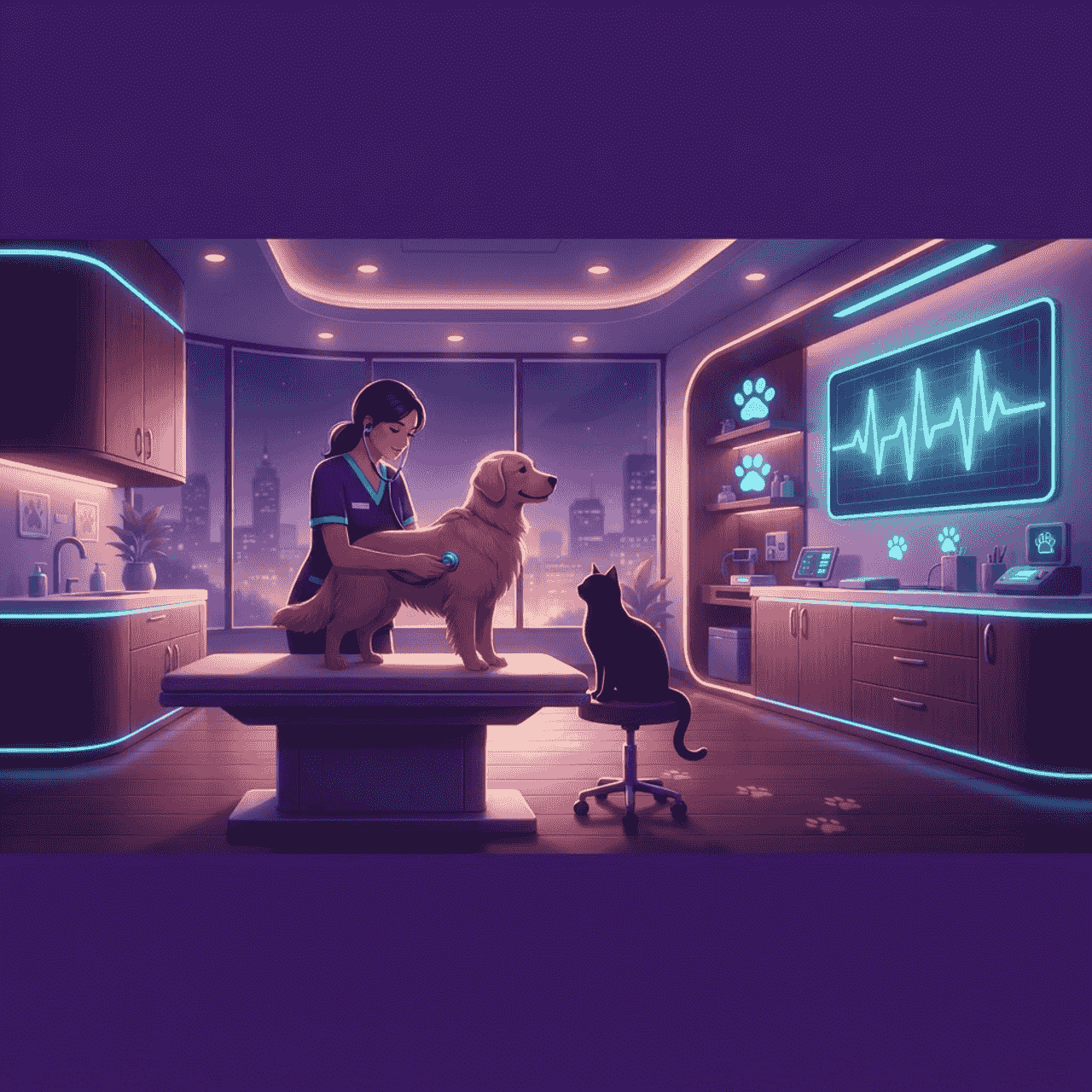
Pet Care in a Dense Urban Setting
Newark is a city of apartments, row houses, and shared green space, which shapes veterinary medicine here in specific ways. Dogs live closer together and share sidewalks and parks, raising the importance of vaccination compliance and parasite control. Cats are often strictly indoor, which changes the risk profile for injury but increases concerns about obesity, dental disease, and urinary conditions. Veterinarians practicing in the city tend to be fluent in the realities of urban pet ownership: limited space, walk-based exercise, noise stress, and the logistics of getting an anxious animal into a carrier and onto a bus or into a rideshare.
Newark also has an active community of rescues, foster networks, and trap-neuter-return volunteers. The strongest local clinics work alongside those groups, which means many have unusually broad experience with animals of unknown history, undertreated conditions, and behavioral challenges stemming from earlier neglect.
What Makes a Veterinary Practice Genuinely Good
Look first at diagnostic capability. In-house bloodwork, digital radiography, and ultrasound shorten the path from symptom to diagnosis, which matters enormously in urgent cases. Second, consider surgical and anesthesia standards: dedicated monitoring, intravenous fluids during procedures, and a clear pain management protocol are markers of quality care rather than optional extras.
Third, evaluate communication. Practices that send written discharge instructions, explain cost estimates before treatment, and follow up after procedures reduce both owner anxiety and medical error. Fourth, ask about after-hours coverage — whether the clinic handles emergencies itself or has a defined referral relationship. Finally, pay attention to handling technique. Fear-free and low-stress approaches are not marketing language; they measurably improve examination quality and make future visits easier.
Ten Trusted Veterinary Clinics Serving Newark
1. Ironbound Animal Hospital. A full-service general practice with in-house diagnostics and a busy surgical schedule. Owners consistently mention same-week appointment availability and clinicians who explain treatment options without pressure.
2. Brick City Veterinary Emergency Center. Focused on urgent and critical care with extended overnight hours. Its value is straightforward: triage, stabilization, and hospitalization capability when a general practice is closed.
3. Newark Companion Animal Clinic. A neighborhood practice known for preventive medicine, wellness plans, and vaccination programs. It is a practical choice for first-time pet owners who want structured guidance across a puppy or kitten's first year.
4. Essex County Cat Clinic. A feline-exclusive practice, which eliminates the stress of waiting rooms shared with dogs. Its clinicians focus deeply on chronic kidney disease, hyperthyroidism, dental disease, and feline behavior.
5. Passaic River Veterinary Surgical Referrals. A referral practice handling orthopedic repair, soft tissue surgery, and complex procedures that general practitioners send outward. Board-certified expertise and advanced imaging define its role in the local ecosystem.
6. University Heights Animal Care Center. Serves a student and young professional population with flexible evening hours and transparent pricing. It has a strong reputation for handling rescue and foster animals with incomplete medical histories.
7. Gateway Low-Cost Vaccine & Wellness Clinic. A community-focused operation providing affordable vaccinations, microchipping, and spay-neuter access. It plays an important public health role in a city where cost is often the barrier to preventive care.
8. Halsey Street Veterinary Dentistry. Specializes in dental radiography, extractions, and periodontal treatment — a genuine gap in general practice, since dental disease is among the most underdiagnosed conditions in urban pets.
9. Harbor Point Exotic & Avian Veterinary Practice. Treats birds, reptiles, rabbits, and small mammals, species that many general clinics decline. Owners of exotic pets in the region often travel considerable distances for this expertise.
10. Meadowlands Mobile Veterinary Service. Provides in-home examinations, vaccinations, and end-of-life care. For senior pets, multi-cat households, and owners without vehicles, house-call medicine solves a real logistical problem.
Trends in Urban Veterinary Medicine
Preventive care has grown more sophisticated, with wellness plans that spread annual costs into monthly payments and increase compliance with dental cleanings and bloodwork. Pet insurance uptake continues to rise, changing how owners approach expensive diagnostics such as advanced imaging or specialist referral.
Behavioral medicine has also moved into the mainstream. Separation anxiety, noise phobia, and reactivity are now treated with structured behavior plans and, when appropriate, medication rather than dismissed as training problems. Telemedicine has found a useful niche for follow-ups and triage decisions, though physical examination remains essential for diagnosis. Finally, clinics are paying closer attention to nutrition counseling as urban pet obesity rates climb.
How to Choose and Prepare for Your Visit
Start by matching the clinic to your pet's stage of life. A young, healthy dog needs accessible preventive care and good vaccination protocols. A senior cat with kidney disease needs a practice comfortable with chronic disease management, subcutaneous fluid training, and quality-of-life conversations. Exotic species narrow the field immediately.
Before your first appointment, gather any prior records, note current food and medications, and write down specific observations: changes in appetite, water intake, litter box habits, mobility, or sleep. Bring a recent stool sample if parasites are a concern. For anxious animals, ask whether the practice offers pre-visit calming medication or quieter appointment times.
Discuss cost openly. Good veterinary teams provide written estimates and will help you sequence diagnostics by priority when budget is limited. That conversation is far easier before treatment begins than after.
Final Thoughts
Newark's veterinary landscape spans emergency hospitals, species specialists, community vaccine clinics, and mobile practices — a range that reflects genuine need in a dense, diverse city. The best outcome usually comes from building a long-term relationship with one general practice that knows your animal well, while knowing in advance which emergency and specialty options you would turn to if something serious happens. That preparation is far more valuable at two in the morning than any ranking list.