
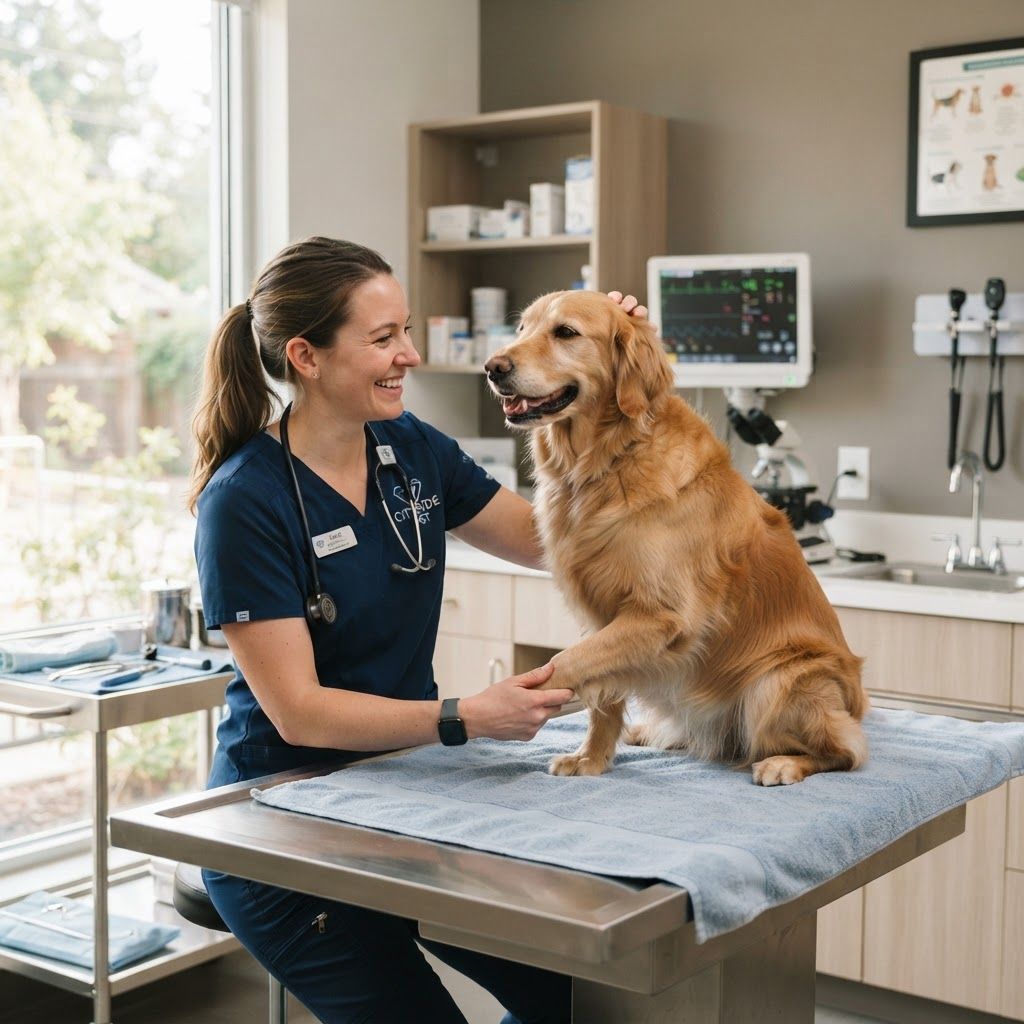
Why Veterinary Care in Baton Rouge Stands Out
Baton Rouge occupies an unusual position in the American veterinary landscape. The city is home to the LSU School of Veterinary Medicine, one of only thirty-three accredited veterinary colleges in the United States, and that single institution shapes the entire local market. Graduates stay in the area, specialists rotate through private practices, and referral relationships between general practitioners and board-certified surgeons or internists are far tighter than in comparably sized cities. For pet owners, the practical effect is that a complicated diagnosis rarely means a long drive to another state.
The region's climate adds its own demands. Heat, humidity, standing water, and a nearly year-round insect season mean heartworm prevention, flea and tick control, and vigilance around leptospirosis and ehrlichiosis are not optional add-ons here — they are baseline care. Hurricane season introduces another wrinkle: the best local clinics maintain evacuation protocols, backup generators, and boarding contingency plans, and they discuss those plans openly with clients.
1. Sherwood South Animal Hospital
A fixture in the Sherwood Forest corridor, Sherwood South Animal Hospital has built its reputation on continuity of care. The practice handles wellness exams, dentistry, soft-tissue surgery, and in-house diagnostics, and it is frequently praised for the way its veterinarians explain treatment options without pressure. Longtime clients often cite the same doctor seeing a pet from puppyhood through geriatric care — a rarity in an industry with high turnover.
2. Baton Rouge Veterinary Specialists
This referral-only hospital exists for the cases that general practices cannot resolve alone. Board-certified surgeons, internal medicine specialists, and diagnostic imaging staff take on orthopedic repairs, oncology workups, endoscopy, and complex medical management. Because it accepts referrals rather than walk-ins, wait times for consults are structured, and the hospital coordinates closely with the primary veterinarian so records and follow-up care stay unified.
3. Perkins Road Veterinary Hospital
Serving the densely populated Perkins and Bocage neighborhoods, this hospital is known for a low-stress handling philosophy. Exam rooms are designed to reduce noise transfer, cats and dogs are separated where possible, and staff are trained in fear-free restraint techniques. Owners of anxious or previously traumatized rescue animals tend to gravitate here.
4. Companion Animal Hospital
Companion Animal Hospital emphasizes preventive medicine and client education. Its wellness plans bundle vaccines, parasite screening, and dental assessments into predictable annual costs, which appeals to first-time pet owners trying to budget responsibly. The practice also maintains an active senior-pet program with bloodwork panels tailored to aging kidneys, thyroids, and joints.
5. Highland Road Animal Hospital
Located along one of the city's busiest residential arteries, Highland Road Animal Hospital blends general practice with a well-regarded surgical suite. Spay and neuter procedures, mass removals, and dental extractions are performed in-house with modern anesthetic monitoring. Clients frequently mention the clarity of its written discharge instructions.
6. Circle Animal Hospital
Circle Animal Hospital has cultivated a loyal following among owners of multiple pets and mixed households. Its scheduling accommodates back-to-back appointments for several animals, and the staff keeps detailed household-level records so shared exposures — parasites, respiratory infections, dietary issues — are caught early rather than treated one pet at a time.
7. Jefferson Animal Hospital
This practice is often recommended for its balance of cost transparency and clinical depth. Estimates are provided before procedures, tiered treatment options are discussed honestly, and the hospital is candid when a referral to a specialist is the better use of a client's money. That kind of straightforwardness builds durable trust in a field where owners often feel financially cornered.
8. Bluebonnet Animal Hospital
Bluebonnet Animal Hospital serves the growing southeast corridor of Baton Rouge and has expanded its diagnostic capability significantly in recent years, including in-house ultrasound and digital radiography. Faster imaging means fewer return visits, which matters for owners juggling work schedules and for pets who find travel stressful.
9. Cat Practice of Baton Rouge
Feline-exclusive practices remain uncommon, and this one fills a genuine gap. Removing dogs from the waiting room eliminates a major stressor, and the veterinarians here concentrate on conditions that dominate feline medicine: chronic kidney disease, hyperthyroidism, diabetes, dental resorptive lesions, and inappropriate elimination. Cat owners who have struggled with mixed-species clinics describe the difference as immediate.
10. Louisiana Emergency Animal Hospital
Emergencies do not respect business hours, and this hospital covers the overnight, weekend, and holiday gaps that general practices cannot. Trauma stabilization, toxin ingestion, bloat, heatstroke, and whelping complications are routine here. The staff triages on arrival and communicates estimates early, and records are forwarded to the primary veterinarian the following business day.
Industry Trends Shaping Local Veterinary Care
Three shifts are visibly reshaping Baton Rouge veterinary medicine. The first is consolidation: corporate groups have acquired practices across Louisiana, which can improve equipment budgets while making relationship continuity harder to guarantee. Independent clinics increasingly market their independence as a differentiator. The second is the normalization of pet insurance and wellness subscriptions, which changes how owners approach diagnostics — imaging and lab work that once felt extravagant are now routinely approved. The third is telemedicine for triage and follow-up, useful for post-operative checks and behavioral consults, though Louisiana practice rules still require in-person examination to establish a veterinarian-client-patient relationship.
How to Choose the Right Clinic
Start with logistics, because the best clinic is one you will actually visit. Consider drive time during rush hour, appointment availability outside of working hours, and whether the practice offers drop-off visits. Then evaluate clinical fit: an aging large-breed dog with arthritis needs a different relationship than a healthy kitten. Ask directly about after-hours coverage, what happens if your pet needs surgery the practice does not perform, and whether estimates are provided in writing.
Pay attention to how staff handle your animal in the first five minutes. Gentle handling, willingness to let a nervous dog settle, and treats offered before instruments appear are all signs of a culture that takes stress seriously. Finally, ask about hurricane and evacuation protocols. In south Louisiana, that question is not paranoid — it is basic due diligence, and a good clinic will have a ready answer.
Final Thoughts
Baton Rouge pet owners benefit from a market shaped by a major veterinary school, a strong specialist referral network, and enough competition to keep standards high. Whether the priority is low-stress feline care, affordable preventive medicine, or a specialist who can handle an unusual diagnosis, the capital region has a practice that fits. The most important step is establishing that relationship before an emergency forces the decision for you.