
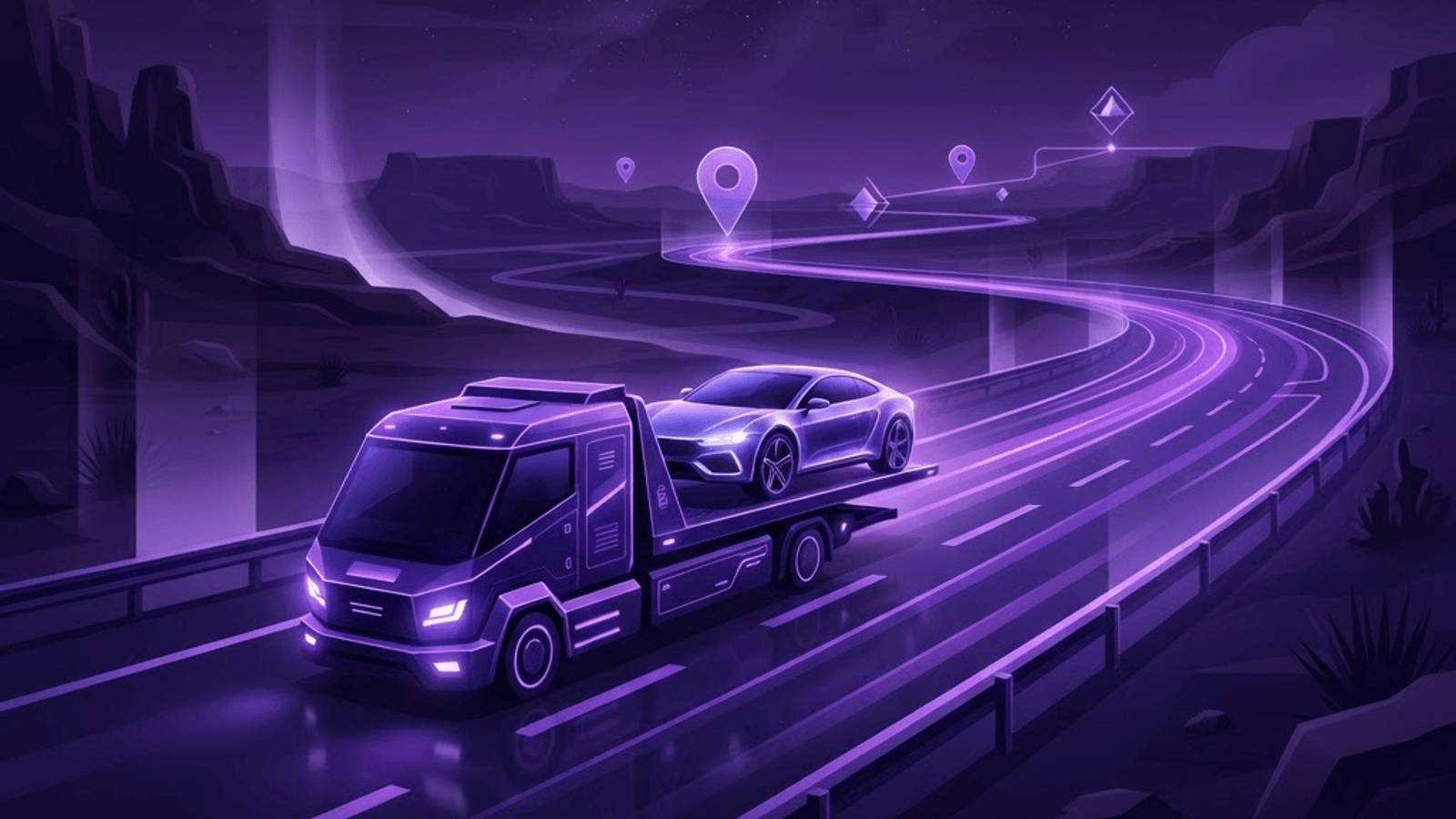
Why Towing Is a Critical Service in the Antelope Valley
A breakdown in Palmdale is not the same as a breakdown in a dense urban area. Stretches of the 14 freeway, Pearblossom Highway, and the roads heading east toward Lake Los Angeles and north into the open desert have limited shade, limited cell coverage in places, and summer temperatures that turn a disabled vehicle into a genuine safety hazard within an hour. Response time is therefore not a convenience metric here; it is a safety metric.
The Antelope Valley's towing industry has developed around that reality. Operators cover long distances, maintain equipment rated for extreme heat, and handle everything from a stranded commuter sedan to a recovered piece of construction equipment. Understanding the service categories below helps you call the right provider the first time rather than waiting through a second dispatch.
1. Light-Duty Flatbed Towing
Flatbed towing is the standard for most passenger vehicles and the safest general-purpose option. The entire vehicle is winched onto a level deck, so no wheels contact the road. This matters for all-wheel-drive vehicles, which can suffer drivetrain damage if towed with wheels turning, for lowered vehicles where ground clearance is limited, and for electric vehicles, which manufacturers almost universally require to be transported on a flatbed. For any vehicle with unknown drivetrain condition, flatbed is the default correct choice.
2. Wheel-Lift and Hook Towing
Wheel-lift trucks lift one axle using a yoke under the tires and tow the vehicle with the other axle rolling. They are faster to hook up, more maneuverable in tight parking structures and narrow residential streets, and generally less expensive than flatbed service. For front-wheel-drive or rear-wheel-drive vehicles over short distances, wheel-lift is entirely appropriate. It is not suitable for all-wheel drive, four-wheel drive in certain configurations, or vehicles with drivetrain damage.
3. Heavy-Duty and Commercial Towing
Heavy-duty towing serves the semi-trucks, buses, motorhomes, and commercial vehicles that move through the Antelope Valley on the 14 and the surrounding freight corridors. These operations require rotator and heavy wrecker equipment with substantial boom capacity, air brake system knowledge, and operators trained in load securement for high-mass vehicles. Heavy-duty providers also handle load shifts and cargo transfers, which are common requirements after a commercial vehicle incident.
4. Emergency Roadside Assistance
A large share of calls never require a tow at all. Roadside assistance covers jump starts, fuel delivery, flat tire changes, and lockout service. In Palmdale, battery failure is the single most common call during summer, because sustained heat degrades battery capacity faster than cold does. Fuel delivery is also more common than in urban areas simply because the distances between service stations on outlying routes are greater. A provider that handles both roadside and towing can resolve most situations in one dispatch.
5. Accident Recovery and Collision Towing
Accident scene towing requires a different skill set from routine transport. Operators must work safely within active traffic control, manage fluid containment, secure damaged vehicles that may not roll or steer, and coordinate with law enforcement and insurance requirements. Providers in this category typically maintain secure storage yards where vehicles can be held pending insurance inspection. Documentation practices matter here, because storage fees and release procedures become a significant issue when a claim takes time to process.
6. Off-Road and Winch-Out Recovery
The open desert terrain surrounding Palmdale generates steady demand for off-road recovery. Vehicles become stuck in soft sand, washes, and unimproved roads, particularly during and after the rare but intense rain events that turn desert soil into deep mud. Recovery operators use extended-reach winches, recovery straps, traction devices, and sometimes four-wheel-drive wreckers capable of reaching a vehicle that a conventional tow truck cannot approach. This is specialized work and attempting self-recovery with inadequate equipment is a common cause of both injury and additional vehicle damage.
7. Motorcycle Transport
Motorcycles require dedicated handling. Proper motorcycle transport uses a flatbed or enclosed trailer with a wheel chock, soft straps that avoid contact with painted or chromed surfaces, and tie-down points on the frame or triple clamps rather than on bodywork or handlebar controls. Given Palmdale's large riding population, several local operators maintain motorcycle-specific equipment. Using a general tow truck without a chock for a motorcycle frequently results in cosmetic damage and sometimes in the bike going down in transit.
8. Long-Distance and Interstate Vehicle Transport
Long-distance transport is a separate business from local towing. Providers move vehicles between cities and states on multi-car carriers or dedicated single-vehicle trailers. Palmdale sees consistent demand from military and aerospace relocations, seasonal residents, and vehicle purchases made outside the region. Enclosed transport costs more but protects against road debris and weather, which is worth considering for classic, exotic, or freshly restored vehicles.
9. Equipment and Machinery Hauling
The Antelope Valley's construction and agricultural activity creates demand for hauling that falls between towing and freight. This includes skid steers, mini excavators, scissor lifts, generators, storage containers, and agricultural implements. Providers use landoll trailers, tilt decks, and lowboys with appropriate load ratings and securement. Operators need to understand weight distribution and permitting for oversized loads, which is where an experienced hauler differs sharply from a general tow operator with a large trailer.
10. Private Property and Impound Towing
Private property towing serves apartment complexes, retail centers, and commercial properties enforcing parking restrictions. In California this activity is governed by specific requirements covering signage, authorization, notification, and release procedures, and reputable operators follow them precisely. For vehicle owners, understanding your rights regarding release during business hours, access to personal property inside the vehicle, and fee schedules prevents most disputes in this category.
How to Choose a Towing Provider in Palmdale
Verify licensing and insurance first. A legitimate operator carries the appropriate motor carrier permit and on-hook cargo insurance that covers your vehicle while it is in their possession. Ask about response time for your specific location, since coverage varies considerably between central Palmdale and outlying areas east toward Littlerock or north into open desert.
Ask for a total price before the truck is dispatched, including hookup fee, per-mile rate, and any after-hours or winch-out surcharges. Clarify whether your destination is within the quoted mileage. Confirm the equipment type matches your vehicle, particularly if you drive an all-wheel-drive or electric vehicle, because arriving with the wrong truck wastes an hour you may not have in summer heat.
Staying Safe While You Wait
If you break down on a freeway, move as far right as possible, turn on hazard lights, and exit through the passenger side away from traffic if it is safe to do so. In extreme heat, staying inside a vehicle without air conditioning can become dangerous quickly, so seek shade if any is reachable safely, and keep water in the vehicle year-round as a standing precaution in the high desert.
Share your location precisely. Cross streets, mile markers, and pinned coordinates from a phone dramatically reduce arrival time compared to a general description. Finally, save a trusted local provider's number before you need it. The worst time to research towing options is standing on the shoulder of Pearblossom Highway in August, and a small amount of preparation removes that problem entirely.