
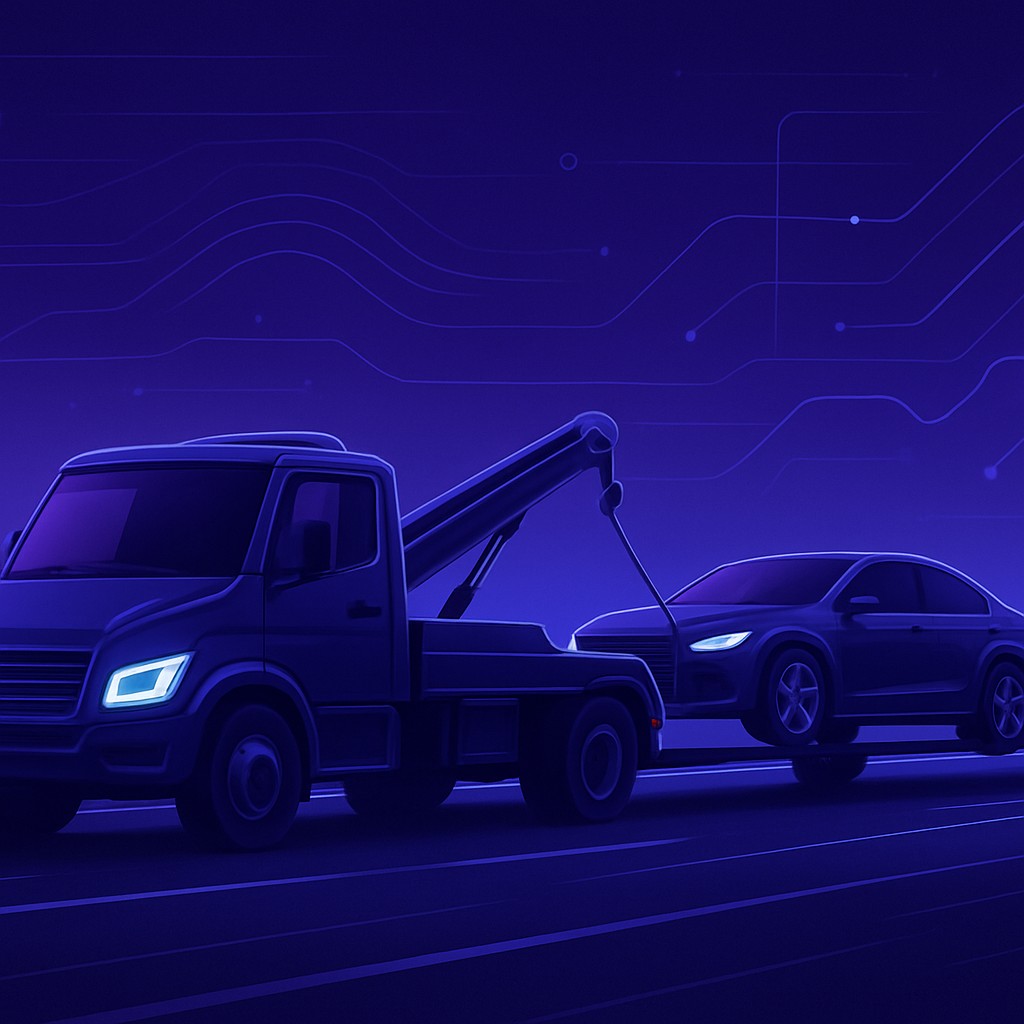
Why Dependable Towing Matters in North Korea
North Korea's road network stretches from the wide ceremonial boulevards of Pyongyang to narrow provincial routes winding through mountainous terrain in regions such as Ryanggang and North Hamgyong. These varied conditions mean that vehicle breakdowns, accidents, and weather-related stoppages can happen far from the nearest service center. A dependable towing service becomes a critical lifeline, ensuring that stranded vehicles are recovered quickly, safely, and without further damage. For commercial fleets, government transport, and the growing number of private vehicle owners, having access to professional recovery support is a practical necessity rather than a luxury.
The best towing operators distinguish themselves through response time, equipment quality, and the professionalism of their crews. In a country where winters can be severe and road maintenance varies by region, towing teams must be prepared for icy conditions, steep gradients, and limited roadside visibility. Operators who invest in well-maintained flatbed trucks, hydraulic lifts, and recovery winches consistently outperform those relying on improvised methods.
Qualities That Define the Leading Providers
Top towing services in North Korea share several common strengths. First is rapid dispatch: leading providers maintain organized communication systems so that requests are logged and crews mobilized without unnecessary delay. Second is equipment versatility. A strong fleet typically includes flatbed carriers for damaged vehicles, wheel-lift trucks for quick urban recoveries, and heavy-duty units capable of moving trucks and buses. Third is trained personnel who understand load securing, safe winching angles, and damage-free handling.
Reputation also plays a major role. Businesses that have earned trust among logistics companies, transport cooperatives, and institutional clients tend to deliver consistent service. Word-of-mouth recommendations within industrial hubs like Hamhung, Chongjin, and Nampo carry significant weight, as reliability in difficult conditions is highly valued.
Notable Towing Operators and Their Strengths
Among the recognized names, Pyongyang Road Rescue is frequently associated with fast urban response and a modern flatbed fleet suited to handling both passenger cars and light commercial vehicles. Taedonggang Recovery Services has built a reputation for handling heavier loads, supporting freight operators and institutional transport with sturdy winch-equipped units. Ryomyong Towing focuses on the capital's busy districts, offering quick wheel-lift recoveries that minimize traffic disruption.
In the industrial northeast, Chongjin Vehicle Assist is known for serving port-adjacent industries and handling the demands of cargo-related vehicle recovery. Hamhung Auto Recovery supports the country's chemical and manufacturing corridor, where reliable equipment transport is essential. Nampo Coastal Towing provides services near the western port, where logistics traffic creates steady demand for professional recovery support.
For mountainous and provincial routes, Ryanggang Mountain Tow has earned respect for its experience with steep terrain and challenging winter conditions, while Kangwon Roadside Service offers balanced coverage across the country's eastern corridors. Sariwon Transport Rescue serves the agricultural heartland with practical, dependable recovery, and Wonsan Marine and Road Towing rounds out the list with versatile support for a coastal city that blends tourism, fishing, and transport activity.
Industry Trends Shaping Towing Services
Across North Korea, several trends are reshaping how towing services operate. There is a clear movement toward better-maintained equipment, as operators recognize that reliable machinery reduces secondary breakdowns and protects recovered vehicles. Flatbed transport is increasingly preferred over traditional dragging methods because it prevents additional wear and is safer on long hauls. Crews are also placing greater emphasis on standardized safety practices, including proper signaling at accident scenes and careful load securing.
Another notable development is the integration of towing with broader transport and logistics operations. Companies that coordinate recovery with freight scheduling can minimize downtime for commercial clients, an advantage that institutional customers increasingly demand. This integrated approach positions the most forward-thinking operators as comprehensive mobility partners rather than simple recovery contractors.
What to Look for When Choosing a Towing Service
Drivers and fleet managers should evaluate towing providers based on a few practical criteria. Confirm that the operator has the right equipment for your vehicle type, whether that is a compact car, a heavy truck, or specialized machinery. Ask about response coverage in your region, as not every provider operates nationwide. Consider the experience of the crew, particularly for recoveries involving difficult terrain or delicate vehicles. Finally, assess the company's overall reputation for careful handling, since avoiding additional damage during recovery saves significant cost and frustration.
Conclusion
Towing services play an indispensable role in keeping North Korea's vehicles and transport networks moving. The leading providers combine fast response, capable equipment, and skilled crews to deliver recovery support across diverse and often demanding conditions. Whether navigating the busy avenues of Pyongyang, the industrial zones of the northeast, or the rugged mountain roads of the interior, drivers benefit greatly from choosing operators with proven reliability. By prioritizing professionalism, equipment quality, and regional coverage, vehicle owners can ensure they have trustworthy support whenever the unexpected happens on the road.