
Towing Is Not a Single Service
Most drivers think of towing as one undifferentiated service until they need it, at which point the distinctions become urgent. A lowered sports car, an all-wheel-drive crossover, a heavy-duty pickup with a trailer attached, and a motorcycle each require different equipment and different handling procedures. Sending the wrong truck can cause serious drivetrain or bodywork damage. In McKinney, where the vehicle mix spans everything from compact commuters to commercial construction equipment, understanding these categories before an incident is genuinely useful.
Flatbed and Rollback Towing
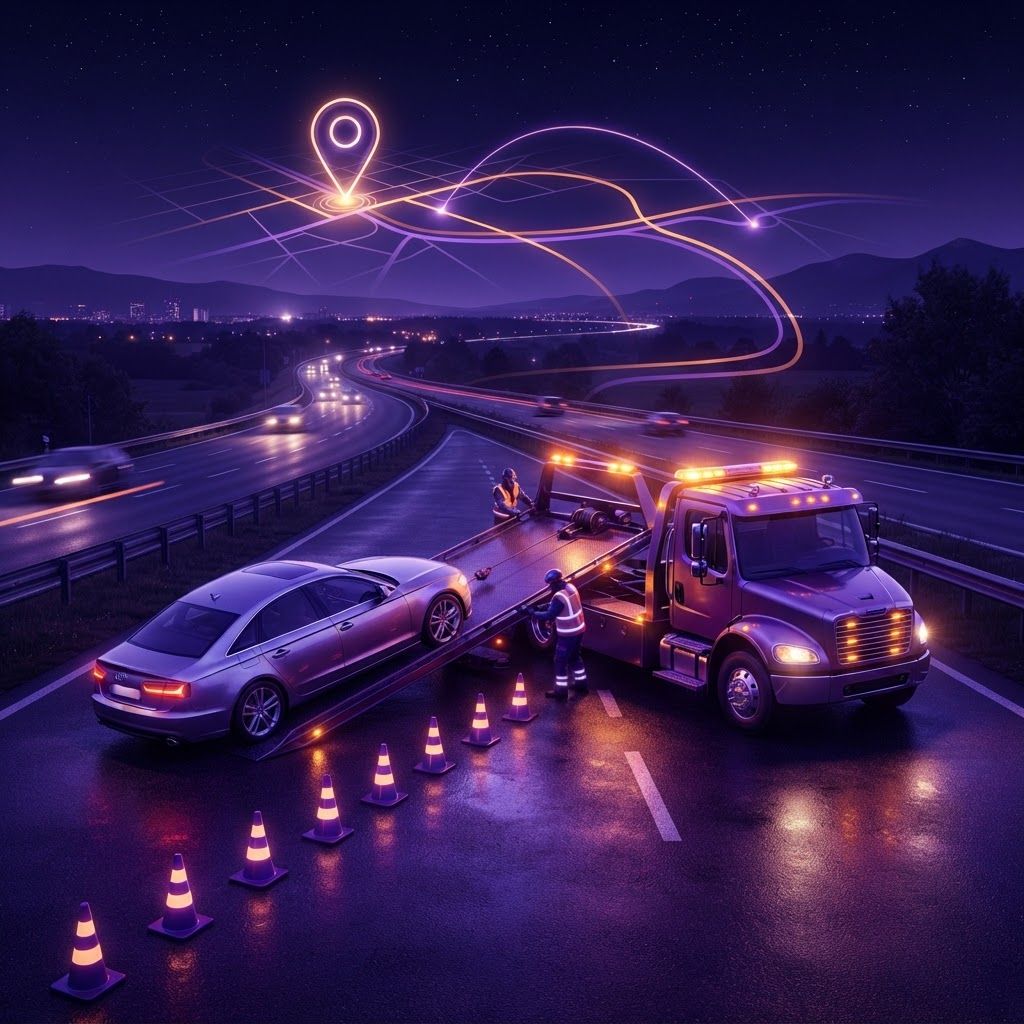
Flatbed towing is the safest option for the widest range of vehicles because all four wheels leave the ground entirely. This matters enormously for all-wheel-drive and four-wheel-drive vehicles, which can suffer transfer case and differential damage if towed with two wheels rolling. It is also essential for lowered vehicles, exotic and classic cars, and any vehicle with drivetrain damage. The best-equipped McKinney operators maintain flatbeds with low approach angles, soft wheel-lift straps rather than chains, and drivers trained in tie-down procedures that avoid stressing suspension components.
Wheel-Lift Towing
Wheel-lift trucks use a hydraulic yoke that cradles either the front or rear wheels, lifting one axle while the other rolls. For front-wheel-drive vehicles towed from the front, and for short-distance moves, this is efficient and cost-effective. Wheel-lift trucks also excel in tight spaces where a flatbed cannot manoeuvre, including apartment parking structures and the compact lots common around McKinney's historic downtown. Reputable operators know when a wheel lift is appropriate and when it is not.
Heavy-Duty and Commercial Towing
Collin County's construction and commercial activity generates real demand for heavy-duty recovery. Box trucks, buses, dump trucks, recreational vehicles, and construction equipment require rotator or heavy wrecker equipment with substantially greater lifting capacity and specialised rigging knowledge. Operators in this category invest heavily in equipment and driver certification, and they handle incident scenes on the Sam Rayburn Tollway and Highway 75 where safe, rapid clearance matters for everyone travelling that corridor.
Motorcycle Towing
Motorcycles need dedicated handling, either a flatbed with a wheel chock and soft straps or a purpose-built motorcycle trailer. Improper securing damages forks, fairings, and frames. Given the size of the riding community across McKinney and the surrounding area, several local operators maintain motorcycle-specific equipment, and it is worth identifying one in advance if you ride.
Roadside Assistance and Light Service
A significant share of calls do not require towing at all. Jump starts, tyre changes, fuel delivery, and lockout assistance resolve the problem on the spot at far lower cost. The strongest McKinney operators dispatch service vehicles equipped for these tasks rather than automatically sending a tow truck, which saves the customer money and frees capacity for genuine recovery work. When calling, describing the symptom accurately helps the dispatcher send the right resource.
Accident Recovery
Collision recovery is a distinct discipline involving scene safety, fluid containment, debris clearance, and coordination with law enforcement. Vehicles with deployed airbags, damaged suspension, or leaking fluids need careful handling. Operators experienced in accident recovery also understand documentation requirements for insurance purposes, which reduces friction in the claims process afterward.
Long-Distance and Interstate Transport
Some situations call for transport rather than towing: relocating a vehicle to another city, delivering a purchase from out of state, or moving a project car. Operators offering long-distance transport typically use enclosed or multi-vehicle carriers, which protect against road debris and weather over extended distances. Enclosed transport is the standard choice for high-value and classic vehicles.
Private Property and Parking Enforcement
Apartment complexes, retail centres, and office parks across McKinney contract with towing operators for parking enforcement. This segment is heavily regulated in Texas, with specific requirements around signage, notification, and permitted fees. Property managers benefit from working with operators who follow those rules precisely, since improper towing creates real legal exposure.
Winch-Out and Off-Road Recovery
Vehicles stuck in mud, sand, ditches, or high water need winching rather than conventional towing. Spring and autumn storms in North Texas produce flash flooding that strands vehicles, and the rural roads east of McKinney turn soft quickly after heavy rain. Operators with proper winching equipment, recovery straps, and traction boards extract vehicles without the additional damage that improvised recovery attempts often cause.
Storage and Impound Facilities
Many towing operations also run secure storage yards, which matters when a vehicle cannot go directly to a repair shop, is held pending an insurance determination, or has been recovered after theft. Facilities with fenced, monitored, and where possible covered storage protect vehicles during what can be a lengthy holding period.
How to Choose Before You Need To
The most useful step is to identify a preferred operator while you are not in an emergency. Verify that they are properly licensed and insured, ask what equipment they operate, and confirm whether they charge a hook-up fee plus per-mile rate or a flat rate. Ask about response time expectations for your area of McKinney and whether they operate around the clock. Also check what your own auto policy and any manufacturer warranty coverage already include, since many drivers pay out of pocket for towing that was already covered. When you do call, provide the vehicle's drivetrain configuration and describe any damage so the dispatcher sends equipment that will not make the situation worse.