
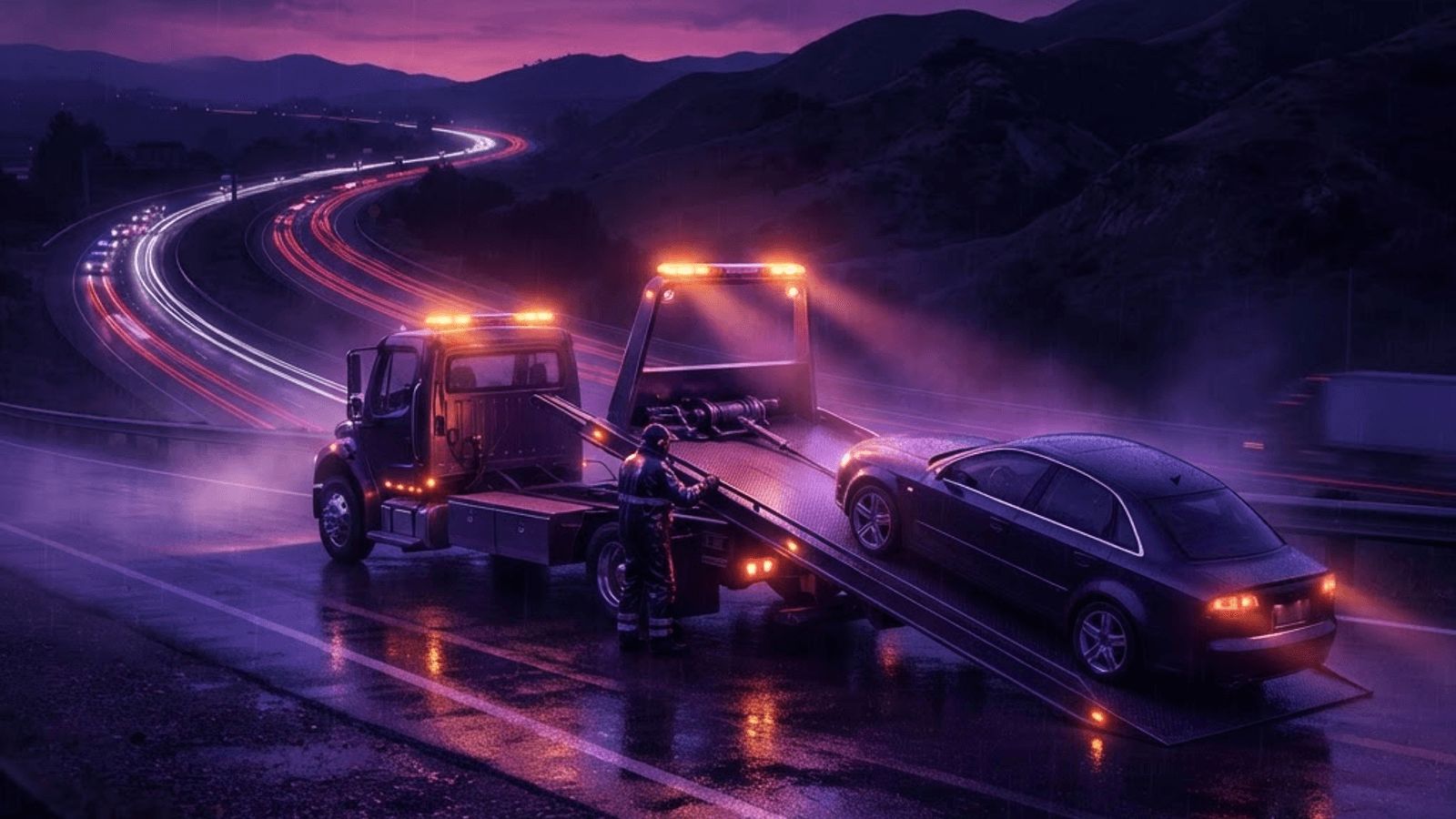
When You Need a Tow in Corona
Corona sits at the junction of some of Southern California's busiest freeways, which means breakdowns here happen in genuinely difficult circumstances. A disabled vehicle on the 91 during peak traffic, an accident near the 15 interchange, or a mechanical failure on a canyon road all demand prompt, competent response.
The towing industry is also one where consumers are unusually vulnerable. Drivers are stressed, often unfamiliar with fair pricing, and in no position to negotiate. Knowing which operators are reputable, and what a legitimate service looks like, protects both your vehicle and your wallet.
The Top 10 Towing Services in Corona
1. Corona Emergency Towing is a round-the-clock operator with strong local response times. Flatbed and wheel-lift equipment, trained operators, and clear upfront pricing over the phone have built a solid reputation among residents.
2. Inland Empire Roadside Assistance combines towing with on-scene services. Jump starts, tire changes, lockout assistance, and fuel delivery often resolve the problem without a tow at all, which saves customers considerable money.
3. Foothill Heavy Duty Towing handles commercial vehicles, box trucks, buses, and recreational vehicles. Rotator equipment and properly rated recovery gear allow it to manage situations that light-duty operators cannot attempt safely.
4. Precision Flatbed Transport specializes in vehicles requiring extra care. All-wheel-drive cars, lowered vehicles, classics, and electric vehicles that should not be towed on their wheels are handled on flatbeds with soft straps and proper tie-down points.
5. Corona Motorcycle Towing uses equipment designed specifically for two-wheeled vehicles. Wheel chocks, specialized straps, and enclosed trailers prevent the damage that generic towing frequently causes to motorcycles.
6. Rapid Response Accident Recovery focuses on collision scenes. Debris cleanup, coordination with law enforcement, and secure storage while insurance is arranged make a chaotic situation more manageable.
7. Off-Road Recovery Specialists serves drivers stuck beyond paved roads. Winching capability, high-clearance recovery vehicles, and experience on regional trails matter for the significant local off-road community.
8. Budget Tow Corona provides straightforward local transport at competitive rates. For short in-city moves of non-running vehicles, its transparent flat pricing is a practical option.
9. Electric Vehicle Transport Services addresses the specific requirements of battery electric vehicles, which typically must be transported on flatbeds and require awareness of high-voltage safety procedures.
10. Corona Impound and Storage rounds out the list providing secure storage alongside towing. Fenced, monitored lots and clear release procedures matter when a vehicle must be held pending repair or insurance decisions.
Equipment Types and Why They Matter
Flatbed trucks carry the entire vehicle off the ground. This is the safest method for all-wheel-drive vehicles, low-clearance cars, electric vehicles, and anything with drivetrain damage. When in doubt, request a flatbed.
Wheel-lift trucks raise one axle and are faster and cheaper for short distances with conventional two-wheel-drive vehicles in good condition. They are appropriate in many situations but wrong in others, and an honest dispatcher will ask the right questions.
Heavy-duty and rotator equipment exists for large vehicles and complex recoveries. Using undersized equipment on a heavy vehicle is dangerous and causes damage, so operators who decline a job outside their capability are demonstrating professionalism.
Avoiding Predatory Operators
Be cautious of unsolicited arrivals at accident scenes. Operators who appear without being called, pressure quick decisions, or refuse to provide written pricing should be declined. Call a service you selected or your insurance provider instead.
Get a price quote before the vehicle is hooked up, including hookup fee, per-mile rate, after-hours surcharges, and any storage charges. Once a vehicle is loaded, negotiating leverage disappears entirely.
Confirm the destination explicitly. Some operators steer vehicles toward affiliated repair shops or storage yards where costs accumulate. You have the right to specify where your vehicle goes.
Verify licensing and insurance. Legitimate operators carry proper authority and on-hook insurance covering damage during transport, and they will confirm this when asked.
What to Do While Waiting
Safety comes first on Corona freeways. Move the vehicle onto the shoulder or off the roadway if it is drivable, activate hazard lights, and in most freeway situations remain inside the vehicle with seat belts fastened rather than standing beside traffic.
Document the vehicle's condition with photographs before the tow. This protects against disputes if damage appears later, and reputable operators have no objection.
Collect personal items and registration documents, since you may not have convenient access to the vehicle once it reaches a storage facility.
Coverage You May Already Have
Many drivers pay for towing they already have covered. Auto insurance policies frequently include roadside assistance, new vehicles typically carry manufacturer roadside coverage for several years, and some credit cards and membership clubs provide it as well. Check before paying out of pocket.
Understand coverage limits, particularly mileage caps, which often permit only a short tow before charges begin. For a breakdown far from home, that limit matters.
Conclusion
Corona has capable towing operators for every situation, from a simple jump start to a heavy commercial recovery. The key is deciding in advance who to call, confirming pricing before the hook, insisting on correct equipment for your vehicle, and knowing what coverage you already carry. Preparation turns a genuinely bad day into a manageable inconvenience.