
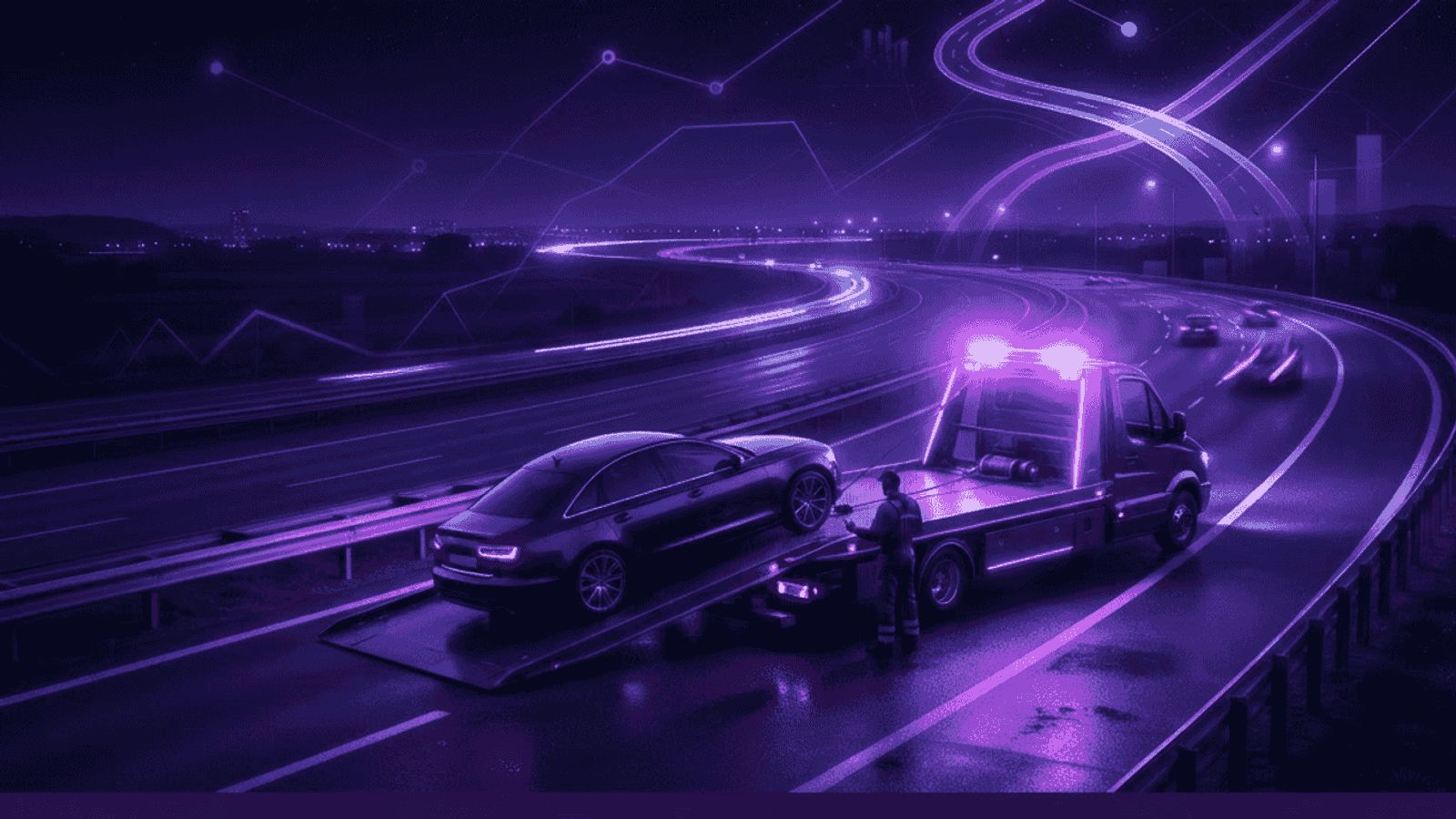
Why Towing Choices Matter More Than Drivers Realize
Most people select a towing company in the worst possible circumstances: on the roadside, under time pressure, often at night. That is precisely when comparison shopping is hardest and when the wrong choice becomes expensive. A vehicle towed with the wrong equipment can suffer transmission, drivetrain or bodywork damage that costs more than the tow itself. Knowing which service to call, and having the number saved before it is needed, converts an emergency into an inconvenience.
Brookhaven's towing market includes independent operators, multi-truck companies, dealership-affiliated transporters and specialty recovery firms. The categories below reflect the different equipment and expertise required by different situations.
1. 24/7 Emergency Towing and Recovery
Round-the-clock operators are the backbone of the local market. Their value lies in dispatch responsiveness and fleet variety, allowing them to send appropriate equipment rather than whatever is available. When calling, provide vehicle make and model, drivetrain type, whether the vehicle rolls and steers, and the exact location including nearby cross streets. That information determines which truck arrives and prevents a wasted callout.
2. Flatbed and Rollback Transport
Flatbed towing lifts all four wheels off the road, making it the safest method for all-wheel-drive vehicles, low-clearance cars, electric vehicles and any vehicle with drivetrain damage. Many manufacturers now specify flatbed transport exclusively, because dragging driven wheels can damage differentials, transfer cases and electric drive units. For any modern vehicle, flatbed is the default recommendation unless an operator gives a specific reason otherwise.
3. Wheel-Lift Towing
Wheel-lift trucks are lighter, more maneuverable and less expensive to operate, which makes them well suited to tight parking structures, narrow residential streets and short-distance moves. They remain appropriate for many front-wheel-drive and rear-wheel-drive vehicles when the correct axle is lifted and dollies are used where needed. Their compact footprint is a genuine advantage in dense Brookhaven neighborhoods.
4. Heavy-Duty and Commercial Towing
Box trucks, buses, RVs, construction equipment and loaded commercial vehicles require rotator and heavy wrecker equipment with the rigging expertise to match. Heavy recovery is a technical discipline involving load calculation, winching angles and scene safety coordination. Local contractors and fleet operators typically establish a relationship with a heavy-duty provider in advance, because downtime costs escalate quickly.
5. Motorcycle Transport Specialists
Motorcycles need soft straps, wheel chocks and either a purpose-built trailer or a flatbed with proper tie-down points. Improper strapping bends handlebars, damages fork seals and scratches bodywork. Given the size of Brookhaven's riding community, several operators now offer dedicated motorcycle transport, and riders should confirm the equipment before a truck is dispatched.
6. Roadside Assistance and Jump Start Service
Many calls do not require a tow at all. Battery jump starts, fuel delivery, tire changes and minor on-site diagnosis resolve a large share of roadside incidents for far less than transport costs. Providers that lead with these lighter services rather than defaulting to a tow tend to earn better long-term reputations, and they are worth prioritizing.
7. Lockout and Key Retrieval
Lockout specialists use wedge and reach tools designed to open doors without damaging weather seals, glass or paint. Because many modern vehicles use side-impact airbags mounted in doors and complex electronic locking, this work benefits from current training. Some operators also program replacement keys and fobs on site, which can eliminate a tow to a dealership entirely.
8. Accident Recovery and Insurance Coordination
Collision scenes involve debris, fluid containment, coordination with responders and secure storage of a damaged vehicle. Operators experienced in accident recovery document the scene, communicate with insurers and transport vehicles to approved repair facilities. Owners should understand that they generally retain the right to choose the repair shop, regardless of where a vehicle is initially stored.
9. Long-Distance and Interstate Transport
Relocation, vehicle purchases and specialty deliveries call for enclosed or multi-car open transport rather than emergency towing. Pricing is structured per mile with substantial variation between open and enclosed carriers. For collector, exotic or newly restored vehicles, enclosed transport with insurance documentation is worth the premium.
10. Private Property and Parking Enforcement Towing
Property management towing is a regulated and often contentious category. Reputable operators maintain clear signage requirements, photographic documentation of violations and transparent release procedures with published fee schedules. Vehicle owners recovering a towed car should request an itemized invoice and confirm accepted payment methods before traveling to the storage lot.
Understanding Towing Costs
Most towing bills combine a hook-up or base fee with a per-mile charge, plus possible surcharges for after-hours service, winching, dollies, extra labor or storage. Before authorizing a tow, ask for the base rate, mileage rate and any anticipated additional charges, and confirm the destination address so mileage is not disputed later. Many auto insurance policies, credit cards and motor club memberships include towing benefits, and a quick check of coverage before calling can shift the cost entirely.
How to Choose an Operator You Can Trust
Verify that the company is properly licensed and insured, and that its trucks and staff are clearly identified. Be cautious of operators who appear at an accident scene uninvited, since reputable companies are dispatched rather than solicited. Ask where the vehicle will be stored and whether you can retrieve personal belongings without additional fees. Finally, save two numbers in your phone now: a general 24-hour operator and, if you drive a motorcycle or commercial vehicle, a specialist who has the right equipment for your situation.