
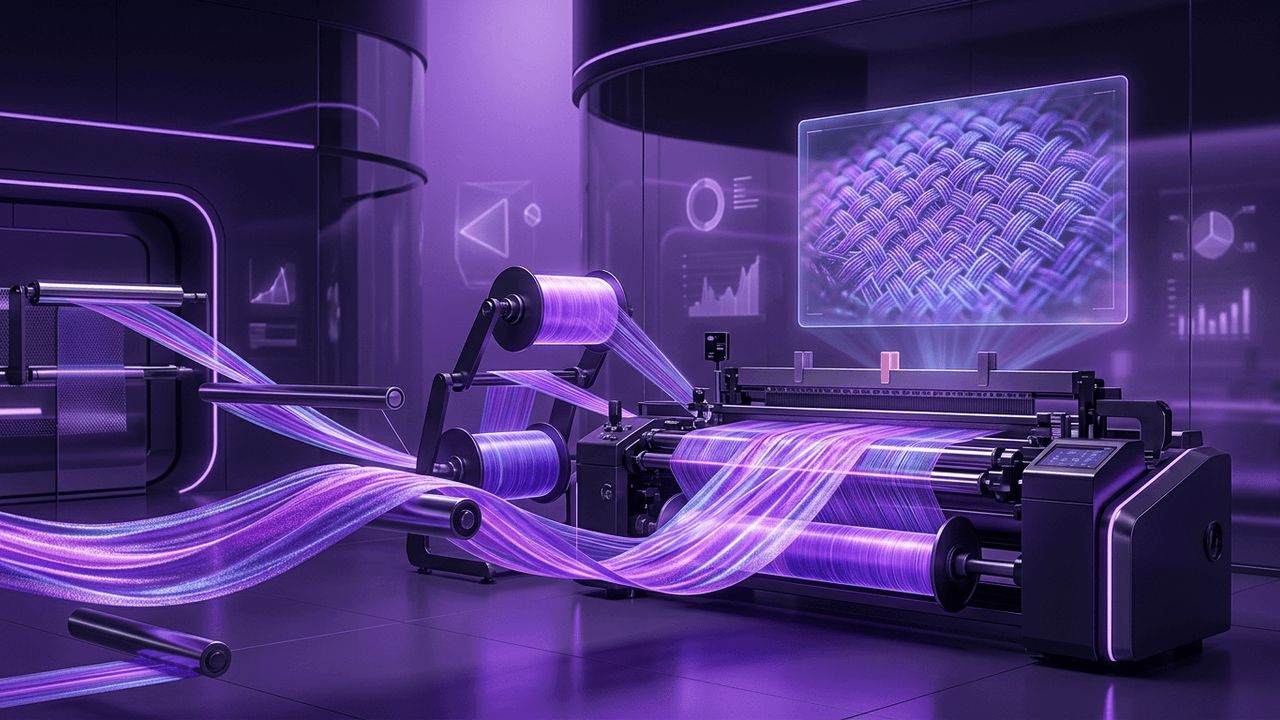
Wilmington's Textile and Fiber Legacy
The Brandywine Creek once powered mills that produced cotton textiles, gunpowder, and paper, laying the foundation for Wilmington's industrial identity. In the twentieth century, the region became the birthplace of revolutionary synthetic fibers. Nylon, invented at DuPont's Experimental Station in Wilmington, transformed fashion, industry, and military equipment. Later innovations such as spandex, aramid fibers, and nonwoven materials kept the region at the forefront of textile science.
Today, Greater Wilmington is home to companies that develop advanced fibers, technical fabrics, and specialty materials used in apparel, medical devices, aerospace, and protective gear. Here are ten of the most notable.
The Top 10 Textile and Fiber Companies in the Wilmington Area
1. The LYCRA Company
Headquartered in Wilmington, The LYCRA Company is a global leader in fiber and technology solutions for apparel and personal care. Its LYCRA fiber brand is synonymous with stretch and comfort, and the company invests heavily in sustainable innovations such as recycled and bio-derived fibers.
2. W. L. Gore and Associates
Based in Newark, Gore is famous for GORE-TEX fabrics, which provide waterproof, breathable protection for outdoor and military apparel. The company also produces fabrics for medical, industrial, and electronics applications.
3. DuPont
DuPont, headquartered in Wilmington, continues to produce innovative materials such as Tyvek, a nonwoven material used in protective garments, building wraps, and medical packaging. Its legacy in fiber science remains influential worldwide.
4. Arclin
Arclin acquired DuPont's aramids business, including the iconic Kevlar and Nomex brands. These fibers are used in body armor, firefighter gear, aerospace components, and industrial protective clothing, carrying forward an innovation story that began in Wilmington.
5. ILC Dover
ILC Dover, with roots in Delaware, engineers high-performance flexible materials. It is known for producing spacesuits for NASA as well as protective equipment, inflatable structures, and pharmaceutical containment solutions.
6. Invista
Invista, a Koch company, traces its heritage to DuPont's textile and nylon businesses. It produces nylon intermediates and polymers used in carpets, apparel, and industrial fabrics.
7. Chemours
Wilmington-based Chemours produces fluoropolymer and performance chemistry solutions, including Teflon brand technologies that have been used in fabric protection and high-performance coatings for textiles.
8. Ashland
Ashland, headquartered in Wilmington, produces specialty additives and ingredients, including materials used in textile processing, coatings, and personal care applications.
9. Solenis
Solenis, based in Wilmington, provides specialty chemicals for water-intensive industries, including processing aids that help textile, paper, and industrial manufacturers improve efficiency and sustainability.
10. Croda
Croda operates a major facility at Atlas Point in New Castle, near Wilmington. The company produces specialty ingredients, including those used in fiber finishing and industrial applications, and has invested in bio-based manufacturing at the site.
What Makes Wilmington's Textile Sector Unique
Unlike regions known for large-scale garment production, Wilmington's strength lies in materials science. Companies here invent the fibers, coatings, and technical fabrics that brands around the world use. This research-driven model relies on chemists, engineers, and materials scientists, many trained at the University of Delaware.
Industry Trends
Sustainability is reshaping textiles. Companies are developing recycled fibers, bio-based polymers, and processes that use less water and energy. Smart textiles that integrate sensors and electronics are emerging in healthcare and sports. Demand for protective and technical fabrics continues to grow in defense, firefighting, and industrial safety markets. Regulations on certain fluorinated chemicals are also driving innovation in alternative water-repellent finishes.
Frequently Asked Questions
Was nylon really invented in Wilmington?
Yes. Nylon was developed by a DuPont research team led by Wallace Carothers at the Experimental Station in Wilmington during the 1930s. It debuted commercially in toothbrush bristles and women's stockings before becoming essential to parachutes and countless other products.
What are technical textiles?
Technical textiles are fabrics engineered primarily for performance rather than appearance. Examples include flame-resistant garments, filtration media, medical fabrics, ballistic protection, and waterproof breathable membranes, many of which have roots in Delaware research.
Are there sustainable fiber options from local companies?
Yes. Several Wilmington-area companies offer recycled and bio-derived fibers, and many are reducing water, energy, and chemical use in production. Brands increasingly ask suppliers for verified sustainability data and lifecycle assessments.
Can startups partner with these companies?
Many large materials companies collaborate with startups through research partnerships, licensing, and innovation programs. The Delaware Innovation Space and University of Delaware research centers are useful starting points for founders working on new fiber or fabric technologies.
What careers exist in the textile and fiber industry here?
Career paths include polymer chemistry, materials engineering, process engineering, quality assurance, product development, and technical sales. Because the sector is research-driven, advanced degrees in chemistry and engineering are highly valued, though skilled manufacturing roles remain important as well.
Final Thoughts
From nylon to Kevlar to GORE-TEX, Greater Wilmington has shaped the materials people wear and rely on every day. The companies highlighted here continue that legacy, combining scientific excellence with a commitment to performance and sustainability.