
The Textile Legacy of West Alabama
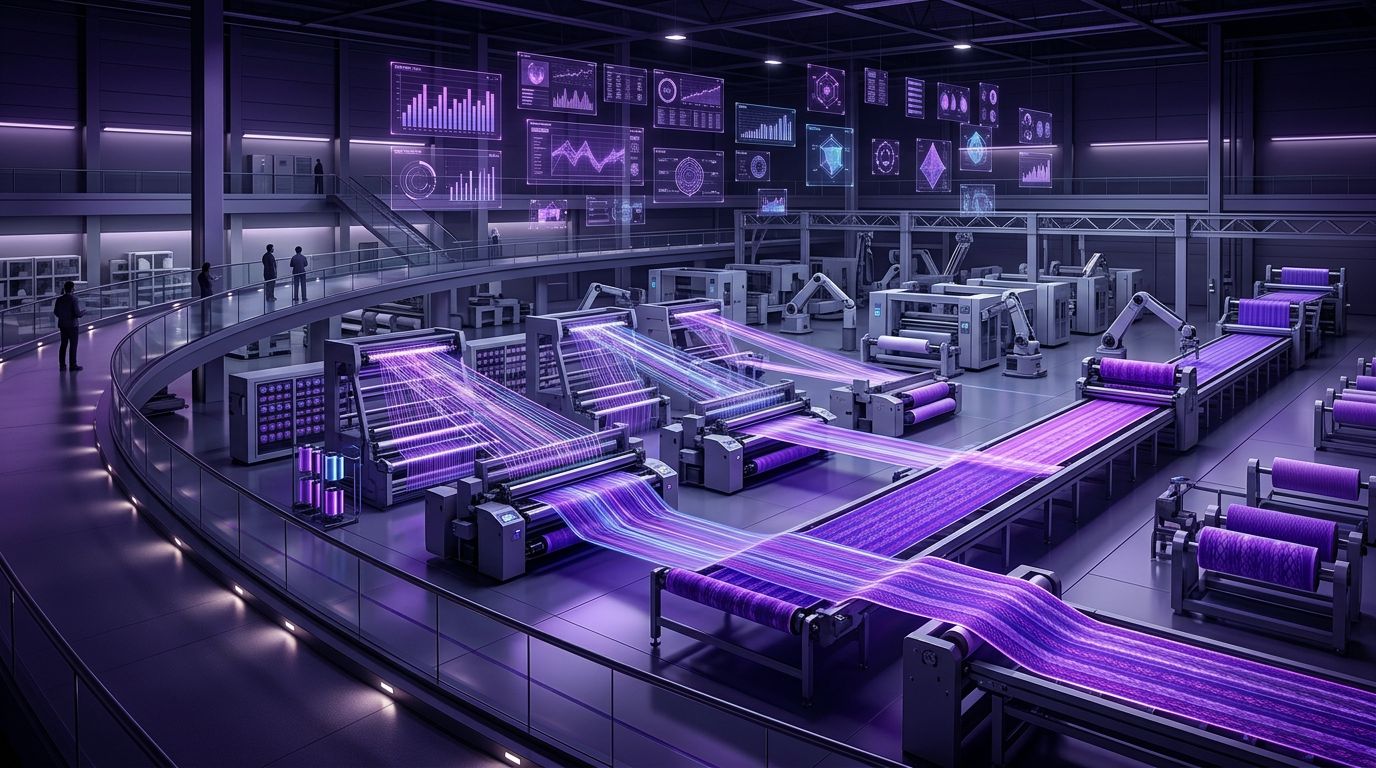
For much of the twentieth century, textiles were one of Alabama's largest industries. Mills dotted river towns across the state, producing yarn, denim, and apparel for national brands. While global competition reshaped the industry, the companies that remain have become leaner, more automated, and more focused on technical and specialty fabrics. Tuscaloosa reflects this evolution well, with a local manufacturer that has become a global leader in engineered textiles and a supply chain that connects to automotive, construction, and consumer markets.
Today, textile manufacturing in and around Tuscaloosa serves automotive interiors, home improvement, athletic apparel, and workplace uniforms. The following ten manufacturers stand out for quality, innovation, and relevance to the regional market.
1. Phifer Incorporated
Phifer Incorporated is headquartered in Tuscaloosa and is one of the world's leading producers of insect screening, solar shade fabrics, and architectural textiles. Founded generations ago, the company has grown into a major employer with a reputation for engineering high-performance woven products. Its sun control fabrics are used in commercial buildings, patios, and residential shades, and its outdoor furniture fabrics are known for durability in humid southern climates.
2. Milliken & Company
Milliken & Company is a diversified manufacturer known for performance fabrics, floor coverings, and specialty chemicals. Its textile innovations include flame-resistant fabrics, automotive textiles, and protective workwear. Manufacturers in the Tuscaloosa automotive corridor value Milliken for consistent quality and technical expertise.
3. Hanesbrands
Hanesbrands has a long history of textile and apparel production in the Southeast, including Alabama. Its basics such as T-shirts, socks, and innerwear are staples for retailers and screen printers across Tuscaloosa. The company is recognized for efficient vertically integrated operations, from yarn to finished garments.
4. Fruit of the Loom
Fruit of the Loom produces everyday apparel and activewear and owns the Russell Athletic brand, which has deep Alabama roots. Local teams, schools, and promotional printers often source Fruit of the Loom blanks for their reliable fit and broad color selection. The company's heritage in the state gives it strong recognition among Alabama buyers.
5. Gildan
Gildan is one of the largest manufacturers of blank apparel in the world, supplying T-shirts, fleece, and polos to decorators and retailers. With game day apparel playing a major role in Tuscaloosa's economy, Gildan products are frequently used for licensed and custom printed garments. Its vertically integrated manufacturing keeps prices competitive.
6. Interface
Interface is a global leader in modular carpet tile and resilient flooring. Its products are popular in offices, university buildings, and healthcare facilities. Interface is particularly respected for its sustainability commitments, including recycled content and carbon reduction programs, which align with the goals of many institutional buyers in Tuscaloosa.
7. Shaw Industries
Shaw Industries manufactures carpet, rugs, and hard surface flooring at large plants across the Southeast. Builders and remodelers throughout Tuscaloosa use Shaw products in new homes and apartment complexes, especially student housing projects that require durable, stain-resistant materials.
8. Cintas
Cintas designs and supplies uniforms, protective garments, and facility textiles such as mats and towels. Automotive suppliers, healthcare providers, and restaurants in Tuscaloosa depend on Cintas for rental and laundering programs that keep employees professionally outfitted and compliant with safety standards.
9. Glen Raven
Glen Raven is best known for its Sunbrella brand of outdoor and marine fabrics. Its solution-dyed acrylics resist fading and mildew, which makes them a favorite for patio furniture, awnings, and boat covers along Lake Tuscaloosa and the Black Warrior River. Glen Raven also produces technical fabrics for industrial and military uses.
10. Unifi
Unifi is a leading producer of recycled and synthetic yarns, including its REPREVE fiber made from recycled plastic bottles. Its yarns are used by apparel brands, automotive interior suppliers, and home furnishings manufacturers. Unifi represents the industry's growing focus on circular materials and sustainable production.
What to Look for in a Textile Manufacturer
Buyers should evaluate a manufacturer's technical capability, minimum order quantities, lead times, and testing standards. For automotive and industrial applications, certifications related to flammability, abrasion, and UV resistance are critical. Apparel buyers should consider fabric weight, fiber content, and dye consistency across batches. Sustainability documentation is increasingly important, as major brands and universities ask suppliers to verify recycled content and chemical management.
Industry Trends in the Region
Southern textile manufacturing is benefiting from nearshoring as brands seek shorter supply chains. Automation and digital knitting are reducing labor costs and allowing smaller custom runs. Performance fabrics that manage heat, moisture, and sunlight are in high demand in Alabama's climate. Recycled fibers and water-saving dye processes are also becoming standard expectations rather than premium features.
Conclusion
Tuscaloosa's textile story is no longer about traditional cotton mills. It is about engineered fabrics, sustainable fibers, and specialized products that serve automotive plants, builders, schools, and outdoor enthusiasts. With Phifer leading locally and national manufacturers supplying the broader market, the region remains an important part of the American textile industry.