
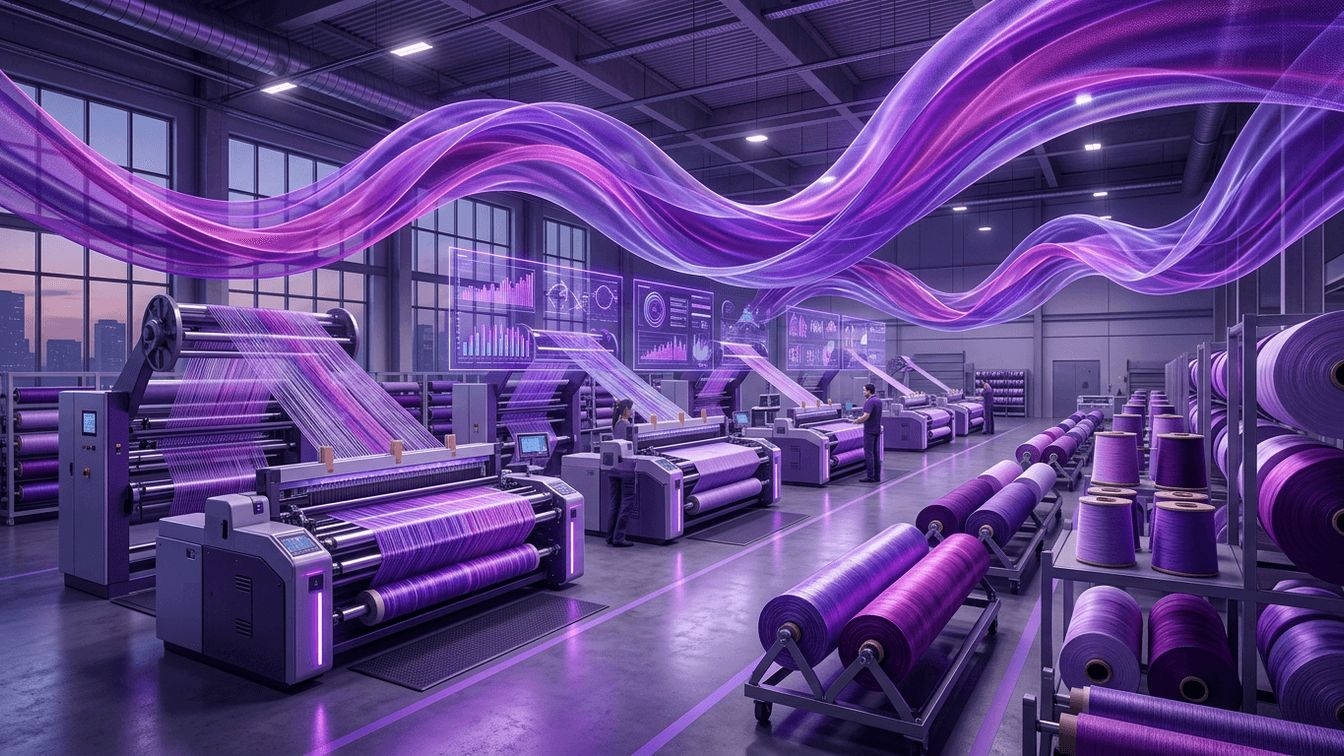
Textiles and the Toms River Economy
Toms River may not be known as a mill town, but textiles are woven into its local economy. The township's marinas and boatyards along the Toms River and Barnegat Bay depend on durable marine canvas for boat covers, biminis, and enclosures. Interior designers furnish shore homes with performance fabrics that resist sun and moisture. Restaurants, hotels, and rental properties need upholstery and window treatments, while schools, sports leagues, and local businesses order custom apparel and uniforms.
For these buyers, the manufacturer behind a fabric matters. Coastal conditions are tough on textiles. Salt air, humidity, intense summer sun, and storms can fade, weaken, and mildew lower-quality materials quickly. Working with fabricators who source from reputable textile manufacturers helps ensure products last through many seasons.
New Jersey also has a long textile heritage, from historic silk mills in Paterson to modern distributors and converters throughout the state. Today, local upholsterers, canvas shops, and print shops connect Toms River customers with fabrics made by national and global leaders.
The Top 10 Textile Manufacturers Serving Toms River Businesses
This list highlights textile manufacturers whose products are widely used by fabricators, designers, and businesses in Ocean County. Selection focused on product quality, relevance to coastal applications, innovation, and sustainability.
1. Glen Raven
Glen Raven is the maker of Sunbrella, one of the most recognized performance fabric brands in the world. Sunbrella fabrics are widely used for marine canvas, awnings, outdoor furniture, and indoor upholstery. Their solution-dyed acrylic construction resists fading and mildew, making them a favorite among Jersey Shore boat owners and homeowners.
2. Milliken & Company
Milliken & Company is a diversified manufacturer with a large textile division producing performance fabrics for workwear, protective apparel, interiors, and industrial uses. Its focus on research and material science has made it a long-standing leader in innovative textiles.
3. Unifi
Unifi is known for REPREVE, a recycled performance fiber made in part from recycled plastic bottles. Many apparel and home textile brands use REPREVE to meet sustainability goals, giving local retailers and custom apparel shops access to eco-conscious materials.
4. Culp
Culp produces mattress fabrics and upholstery fabrics used by furniture manufacturers and residential and commercial interiors. Its performance upholstery lines help furniture hold up to heavy use in family homes and rental properties along the shore.
5. Kravet
Kravet is a family-owned leader in decorative fabrics, wallcoverings, and trimmings, based in the New York metropolitan area. Interior designers working on high-end shore homes in Toms River and nearby barrier island towns frequently specify Kravet fabrics.
6. Elevate Textiles
Elevate Textiles is a global textile company whose brands include historic American names such as Cone Denim and Burlington. Its portfolio spans denim, workwear, technical, and apparel fabrics used by brands around the world.
7. Shaw Industries
Shaw Industries is one of the largest carpet and flooring manufacturers in the United States. Its residential and commercial carpets and rugs are installed in homes, offices, and hospitality spaces throughout Ocean County.
8. Phifer
Phifer manufactures insect screening, solar screening, and outdoor fabrics. Its products are common in porches, patio enclosures, and sun control applications, which are especially popular in warm-weather coastal communities.
9. Herculite
Herculite produces coated and laminated fabrics for marine, awning, and industrial applications. Canvas fabricators use its materials for boat tops, covers, and protective applications that must stand up to water and weather.
10. Precision Fabrics Group
Precision Fabrics Group makes highly engineered textiles for medical, filtration, protective, and industrial uses. Its technical fabrics serve hospitals, manufacturers, and safety applications that require consistent performance.
How to Choose a Textile Supplier
Start with the end use. Marine and outdoor applications call for solution-dyed fibers, UV resistance, and mildew protection. Upholstery requires abrasion resistance, often measured by rub counts, and cleanability. Apparel buyers should consider fiber content, comfort, and printing compatibility.
Ask your local fabricator which brands they trust and why. Request samples to evaluate color, texture, and weight in natural light. For larger orders, confirm minimum quantities, lead times, and warranty coverage, especially for outdoor fabrics.
Textile Industry Trends
Sustainability is reshaping the industry, with growing demand for recycled fibers, reduced water use, and transparent supply chains. Performance fabrics that combine indoor comfort with outdoor durability continue to gain popularity in coastal homes. Digital printing is making custom patterns and small-batch production more affordable, while nearshoring is encouraging some brands to source closer to home.
Frequently Asked Questions
What fabric lasts longest outdoors near the shore? Solution-dyed acrylics and marine-grade coated fabrics generally offer the best resistance to sun, salt, and moisture. Can local shops order specific brands? Most Toms River upholsterers and canvas fabricators can source fabrics from major manufacturers through their distributors. Are recycled fabrics durable? Many recycled performance fibers perform comparably to virgin materials for apparel and home uses.
Final Thoughts
Textiles play a quiet but important role in Toms River's boating, hospitality, home design, and retail sectors. Choosing products from respected manufacturers helps local businesses and homeowners get the durability, comfort, and style they need in a demanding coastal environment.