
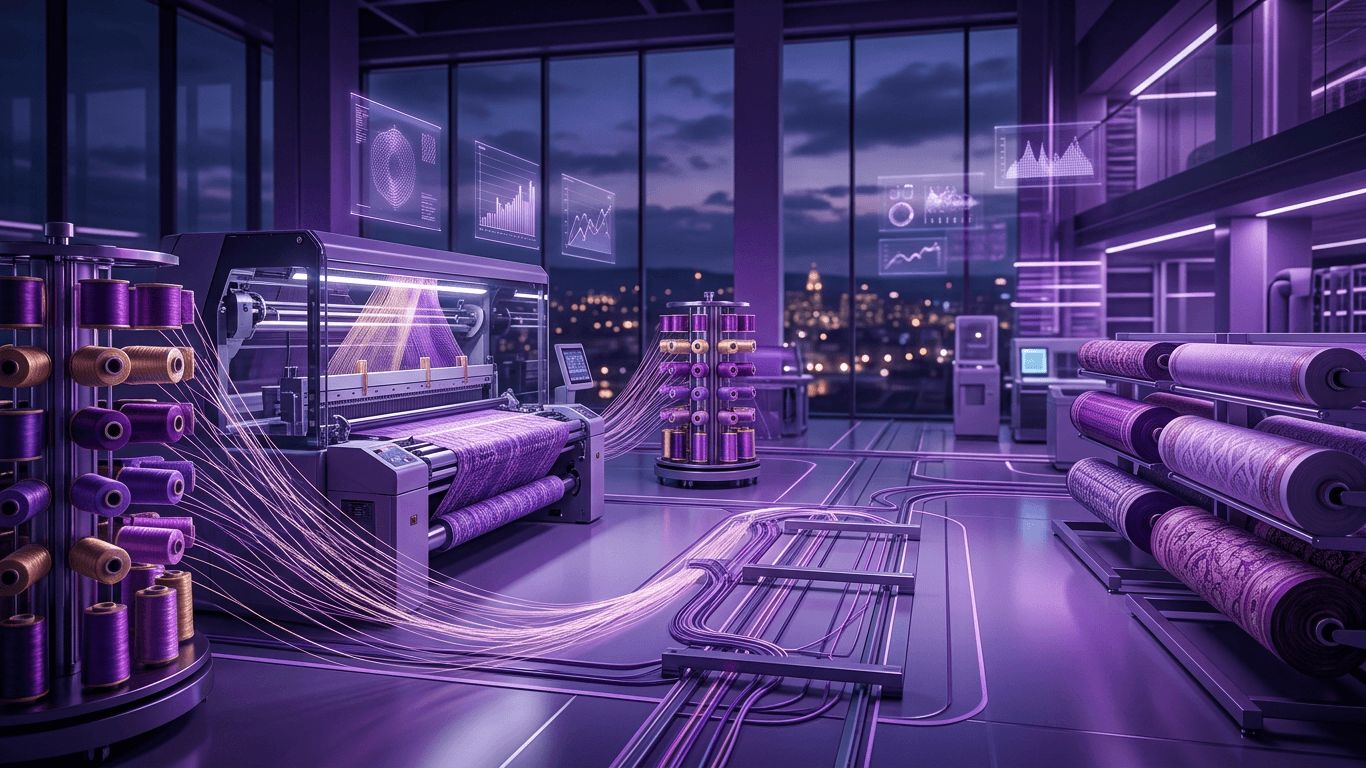
The Textile Legacy of Upstate New York
Long before the region became known for technology and healthcare, the mills of upstate New York produced knit goods, woolens, gloves, and apparel that were shipped across the country. Communities along the Mohawk Valley and the Erie Canal corridor, which runs right through Syracuse, built thriving economies around textile production. While much mass-market manufacturing later moved overseas, the region retained specialized skills in technical fabrics, tailored clothing, and high-performance materials.
Today, Syracuse-area businesses source textiles for uniforms, healthcare products, outdoor gear, industrial applications, and fashion. Interest in domestic manufacturing has surged as companies seek shorter supply chains, higher quality control, and more sustainable production. The companies below represent leading textile manufacturers serving Central New York buyers.
How We Selected These Manufacturers
We considered product quality, specialization, domestic manufacturing capability, sustainability practices, ability to serve business customers in upstate New York, and long-term reputation. The list includes technical textile producers, apparel makers, and heritage mills.
The Top 10 Textile Manufacturers Serving Syracuse
1. Albany International
Albany International traces its origins to Albany, New York, and is a global leader in engineered textiles. It produces paper machine clothing and advanced composite materials for aerospace, demonstrating how textile engineering supports high-tech industries.
2. Hickey Freeman
Hickey Freeman has crafted tailored men's clothing in Rochester for more than a century. Its suits and sport coats are made with traditional techniques and premium fabrics, representing the highest level of American tailoring.
3. Milliken & Company
Milliken is a diversified manufacturer known for performance textiles, floor coverings, and specialty chemicals. Its fabrics are used in workwear, healthcare, and protective applications, and it is widely recognized for innovation and sustainability.
4. Polartec
Polartec developed iconic synthetic fleece and continues to produce performance fabrics for outdoor, military, and workwear markets. Its focus on recycled materials and durable performance appeals to brands serving cold-climate customers like those in Syracuse.
5. Darn Tough Vermont
Darn Tough manufactures premium merino wool socks in Vermont and is known for its lifetime guarantee. Its success shows how Northeast textile manufacturing can compete through quality and craftsmanship.
6. Johnson Woolen Mills
Johnson Woolen Mills has produced wool fabric and outerwear in Vermont since the nineteenth century. Its heavy wool garments are designed for the kind of winters Central New Yorkers know well.
7. American Woolen Company
American Woolen Company revived a historic name in New England wool manufacturing and produces fine woolen fabrics for designers and apparel brands. Its domestic production supports traceable, high-quality supply chains.
8. Bates Mill Store
Bates Mill Store continues a Maine textile tradition by producing woven cotton bedspreads, blankets, and home textiles. Its heirloom-quality products appeal to retailers and consumers seeking American-made goods.
9. Unifi
Unifi is a major producer of recycled and synthetic yarns, including its well-known recycled polyester made from plastic bottles. Apparel and textile companies use its materials to meet sustainability goals.
10. Gildan
Gildan is a vertically integrated manufacturer of basic apparel and textiles, including yarn spinning, knitting, and sewing. Its products are widely used by Syracuse screen printers and promotional product companies.
Trends in Textile Manufacturing
Sustainability is reshaping the industry, with recycled fibers, natural materials, and reduced water and chemical use becoming priorities. Technical textiles for healthcare, defense, and electronics are growing rapidly. Automation and digital printing allow smaller production runs with faster turnaround. Reshoring is also gaining momentum as businesses seek reliable domestic suppliers and transparent labor practices.
How to Choose a Textile Manufacturer
Define your requirements for fiber content, performance characteristics, certifications, and minimum order quantities. Request samples and test them under real-world conditions. Ask about lead times, quality control, and the ability to scale production. Consider sustainability credentials and traceability, which increasingly matter to customers. Building a long-term relationship with a reliable supplier often yields better pricing and priority service.
Local Demand for Textiles in Syracuse
Several Syracuse sectors create steady demand for textiles. Hospitals and healthcare systems require scrubs, linens, and protective materials. Universities and athletic programs need performance apparel and team uniforms. Manufacturers purchase industrial fabrics, filtration media, and protective clothing, while hospitality businesses source linens and upholstery. Local screen printers and embroiderers also buy large volumes of blank garments for schools, events, and corporate branding. Understanding these use cases helps buyers select manufacturers with the right specialization, certifications, and production capacity.
Frequently Asked Questions
Are there opportunities for local textile startups? Yes. Syracuse's maker community, design programs at local universities, and small business resources support entrepreneurs launching apparel and textile brands.
Is domestic production more expensive? Unit costs can be higher, but shorter lead times, lower shipping costs, and quality control often offset the difference.
Final Thoughts
The textile industry that once powered upstate New York has evolved into a sophisticated sector focused on quality, performance, and sustainability. Syracuse businesses have access to excellent manufacturers that blend heritage craftsmanship with modern innovation, ensuring reliable materials for products of every kind.