
Textiles in New England's Industrial Story
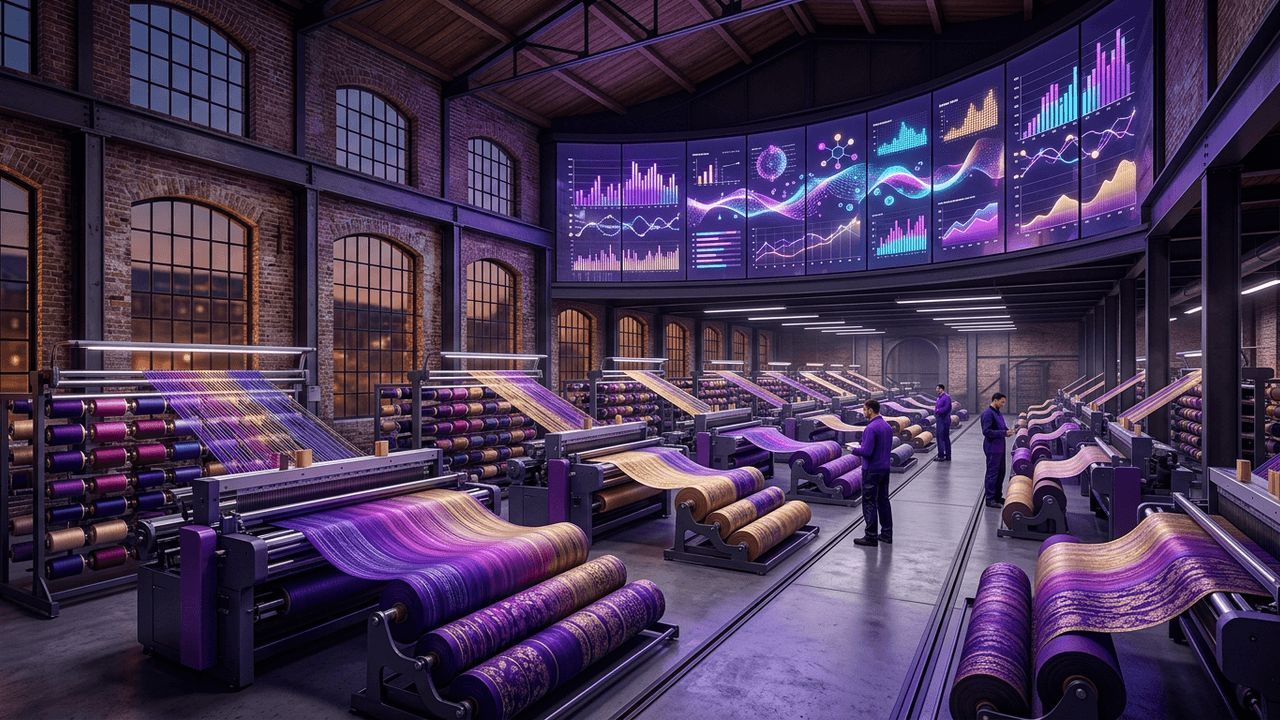
The textile industry helped launch the American Industrial Revolution in New England, and Connecticut mills once produced wool, cotton, and silk goods for the entire country. While much mass production moved overseas, the region has retained a strong base of specialty and technical textile manufacturers. Today, New Haven businesses, designers, healthcare institutions, and industrial companies work with regional manufacturers that produce performance fabrics, filtration materials, narrow fabrics, and premium woolens.
The companies below were chosen for their product quality, innovation, regional presence, and ability to serve customers in New Haven and throughout southern New England.
Why Source Textiles Regionally
Working with regional manufacturers offers shorter lead times, easier communication, and greater supply chain resilience. Domestic production also supports quality control, ethical labor practices, and lower transportation emissions. For defense, medical, and industrial applications, domestic sourcing may also be required for compliance.
The Top 10 Textile Manufacturers Serving New Haven
1. American Woolen Company
American Woolen Company operates a historic mill in Connecticut, producing premium wool fabrics for apparel brands and designers. Its revival of domestic wool manufacturing has drawn attention for combining heritage craftsmanship with modern production standards.
2. Unifrax and Lydall
Lydall, a Connecticut-founded specialty materials company now part of Unifrax, produces engineered nonwoven materials used in filtration, thermal insulation, and industrial applications. Its technical textiles serve automotive, energy, and healthcare markets.
3. Polartec
Polartec, based in New England, is famous for performance fleece and technical fabrics. Its materials are used by outdoor brands, the military, and workwear manufacturers, and it has invested heavily in recycled and sustainable fibers.
4. Kenyon Industries
Kenyon Industries in Rhode Island specializes in dyeing, finishing, and coating technical fabrics. Its capabilities support military, outdoor, and industrial applications that require durability, water resistance, and flame resistance.
5. Darlington Fabrics
Darlington Fabrics produces high-performance knit fabrics, including elastic and medical textiles. Its products are used in compression garments, intimate apparel, and specialized healthcare applications.
6. Hope Global
Hope Global manufactures narrow fabrics, cords, and engineered textile components for automotive, medical, and industrial customers. Its engineering focus allows it to develop custom solutions for demanding performance requirements.
7. Brookwood Companies
Brookwood Companies produces laminated and coated technical fabrics for military, outdoor, and industrial markets. Its materials are known for durability and performance in harsh conditions.
8. Cintas
Cintas is a leading provider of uniforms and workwear programs. Many New Haven businesses, from hospitals to restaurants and manufacturers, rely on Cintas for branded apparel, rental programs, and textile services.
9. UniFirst
UniFirst designs and supplies uniforms, protective clothing, and workplace textiles. Its service model includes laundering and maintenance, making it convenient for industrial and food service businesses in the New Haven area.
10. Mohawk Industries
Mohawk Industries is one of the world's largest flooring manufacturers, producing carpets and rugs among its product lines. Its commercial carpet and textile flooring products are widely used in offices, universities, and healthcare facilities across Connecticut.
Textile Industry Trends
Sustainability is driving major change, with manufacturers adopting recycled fibers, waterless dyeing, and circular production models. Technical textiles for healthcare, filtration, and protective equipment are a fast-growing segment. Smart textiles with embedded sensors are emerging in medical and athletic applications. Reshoring efforts and supply chain diversification have also increased interest in domestic textile production.
Choosing a Textile Manufacturer
Define your performance requirements, quantities, and certification needs before contacting suppliers. Ask about minimum order quantities, lead times, testing capabilities, and sustainability practices. Request samples and evaluate quality carefully. For custom projects, look for manufacturers with in-house engineering and product development support.
Opportunities for New Haven Businesses
New Haven's design community, healthcare institutions, and startups benefit from access to regional textile expertise. Medical device innovators can partner with technical textile manufacturers for wearable products, while apparel entrepreneurs can source premium domestic fabrics. Universities also contribute materials research that supports innovation in fibers and textiles.
Frequently Asked Questions
Are there still textile mills in Connecticut?
Yes. Although the industry is smaller than in its historic peak, Connecticut still hosts specialty mills and technical materials producers, including premium wool manufacturing and engineered nonwovens used in filtration and insulation.
What are technical textiles?
Technical textiles are fabrics engineered for performance rather than appearance. Examples include flame-resistant fabrics, medical compression materials, filtration media, and protective gear used in military and industrial settings.
Can small brands work with regional textile manufacturers?
Many regional manufacturers accept smaller orders or offer development programs for emerging brands. Minimum quantities vary, so it helps to request samples and discuss production plans early in the design process.
Final Thoughts
The textile industry in New England has evolved from historic mills to advanced manufacturing focused on performance and sustainability. New Haven businesses have access to a strong network of regional manufacturers capable of producing high-quality fabrics and technical materials. By partnering with the right supplier, companies can build better products while supporting domestic manufacturing.