
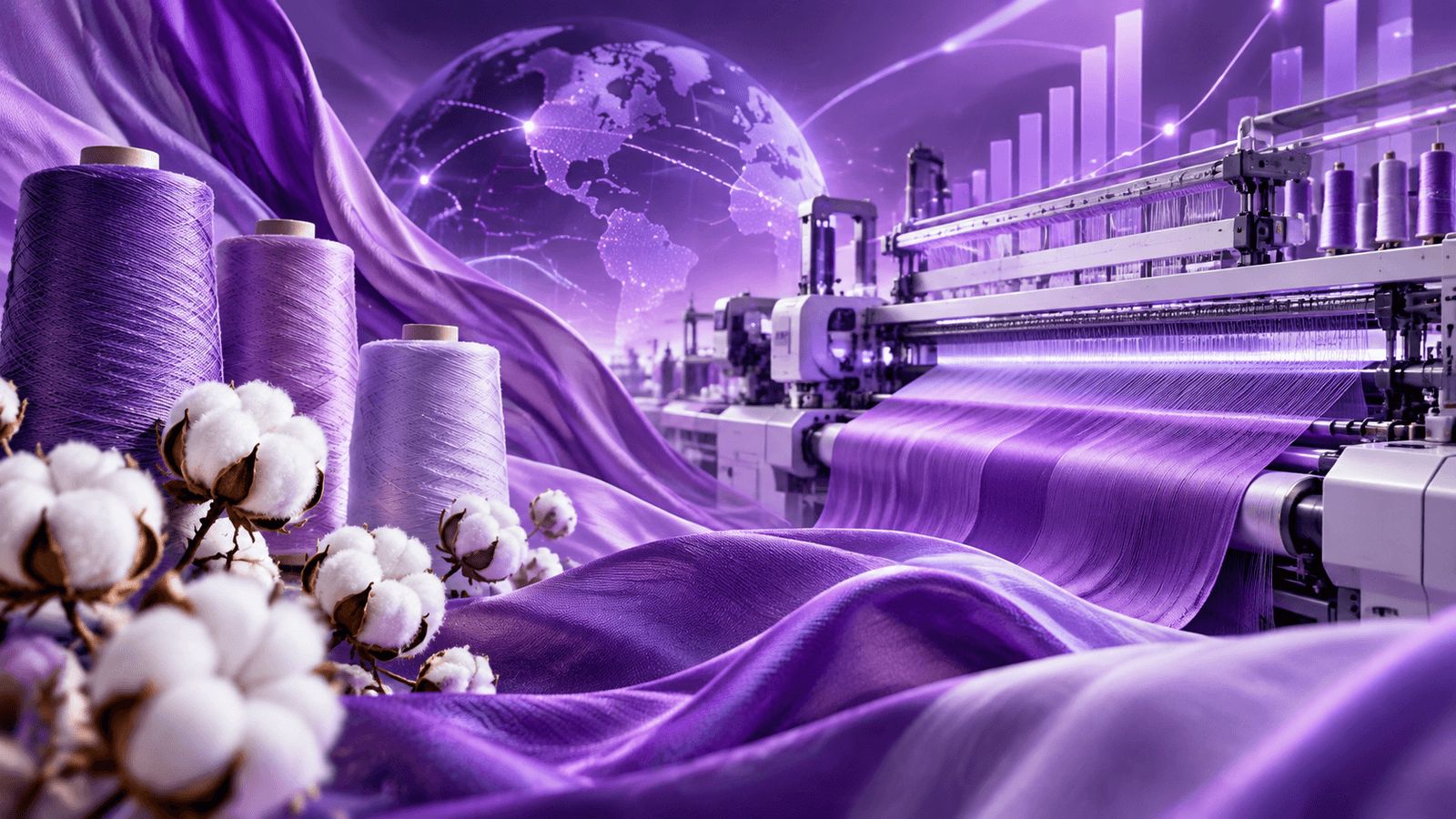
Textiles in the Midland Economy
When people think of Midland, they rarely think of textiles, yet fabric and apparel play an important role in the local economy. West Texas is one of the largest cotton-producing regions in the world, and the fiber grown on nearby farms feeds mills across the country and overseas. At the same time, Midland's oil and gas workforce requires enormous volumes of flame-resistant clothing, uniforms, and safety textiles to meet strict workplace safety standards.
As a result, the textile businesses most relevant to Midland include cotton cooperatives, protective apparel makers, uniform rental companies, workwear brands, and custom decoration shops. Together, they supply the fabrics and garments that keep industry safe and local businesses looking professional.
How We Selected These Companies
We considered relevance to the Midland market, product quality, safety certifications, service coverage in the Permian Basin, reputation among industrial users, and commitment to American manufacturing where applicable.
1. Bulwark Protection
Bulwark is one of the most recognized brands of flame-resistant clothing in the oil and gas industry. Its shirts, pants, and coveralls are designed to protect workers from flash fire and electrical arc hazards while remaining comfortable in West Texas heat. Many Permian Basin operators specify Bulwark garments in their safety programs.
2. Cintas
Cintas provides uniform rental, flame-resistant garment programs, and facility services across Texas. For Midland companies, Cintas handles laundering, repair, and replacement of work garments, ensuring FR clothing maintains its protective properties. Its route-based service simplifies compliance for businesses with large crews.
3. UniFirst
UniFirst manufactures and rents workwear, including flame-resistant garments, high-visibility apparel, and branded uniforms. Its in-house manufacturing gives it control over quality, and its service representatives support energy companies with sizing, inventory management, and safety guidance.
4. Vestis
Vestis, formerly the uniform division of Aramark, supplies workwear, protective clothing, and workplace supplies. Its programs serve industrial, healthcare, and hospitality businesses throughout West Texas.
5. Tyndale
Tyndale designs flame-resistant clothing with a focus on comfort, fit, and styles for both men and women. Its programs help energy employers provide properly fitting FR apparel, which improves compliance and worker satisfaction.
6. National Safety Apparel
National Safety Apparel manufactures arc flash and flame-resistant protective clothing and equipment in the United States. Its products serve electrical workers, utility crews, and oilfield personnel who face high-energy hazards.
7. Carhartt
Carhartt is an iconic American workwear brand whose durable jackets, bibs, and FR lines are staples for Midland workers. The brand's rugged fabrics hold up to abrasive oilfield conditions, and its gear is widely available through local retailers.
8. Wrangler RIGGS and FR Collections
Wrangler, part of Kontoor Brands, produces western wear and workwear with deep roots in Texas culture. Its flame-resistant and RIGGS workwear lines combine traditional styling with protective performance, making them popular among ranch and oilfield workers alike.
9. Plains Cotton Cooperative Association
Plains Cotton Cooperative Association, based in the West Texas region, is one of the largest cotton marketing cooperatives in the United States. It connects area growers with textile mills worldwide and supports the agricultural foundation of the regional textile supply chain.
10. Local Custom Apparel and Embroidery Shops
Midland is home to numerous screen printing, embroidery, and promotional apparel businesses. These shops decorate uniforms, team jerseys, event shirts, and branded workwear for companies, schools, churches, and nonprofits. Their fast turnaround and personal service make them valuable partners for local organizations.
Why Flame-Resistant Textiles Matter
FR clothing is a critical line of defense in oil and gas work. Garments must meet standards such as NFPA 2112 for flash fire and NFPA 70E for electrical arc hazards. Proper care is equally important, since incorrect laundering can reduce protection. This is why many Midland employers rely on managed uniform programs rather than leaving garment care to individual workers.
Textile Industry Trends
Lighter, more breathable FR fabrics are improving comfort in extreme heat. Women's-specific protective apparel is expanding as the energy workforce becomes more diverse. Sustainable cotton practices and traceability are gaining importance among global buyers, which influences how West Texas growers operate. Domestic manufacturing is also receiving renewed attention due to supply chain disruptions.
How to Choose a Textile Supplier
Businesses should verify safety certifications, compare rental versus purchase costs, evaluate service frequency, and ask about garment tracking and repair policies. Consumers seeking quality workwear should consider fabric weight, stitching quality, and fit, as well as the brand's warranty or replacement policies.
Supporting the Regional Supply Chain
Choosing suppliers with a strong regional presence can improve service reliability and support local employment. Many Midland businesses combine national brands for certified protective garments with local shops for decoration, alterations, and quick replacements. Agricultural producers, meanwhile, benefit from cooperatives and ginning operations that connect their cotton to global textile markets, keeping value flowing back into West Texas communities.
Final Thoughts
Textiles may be an overlooked part of Midland's economy, but they are essential to worker safety, professional image, and the region's agricultural heritage. The companies above provide the fabrics and garments that keep the Permian Basin working safely and confidently.