
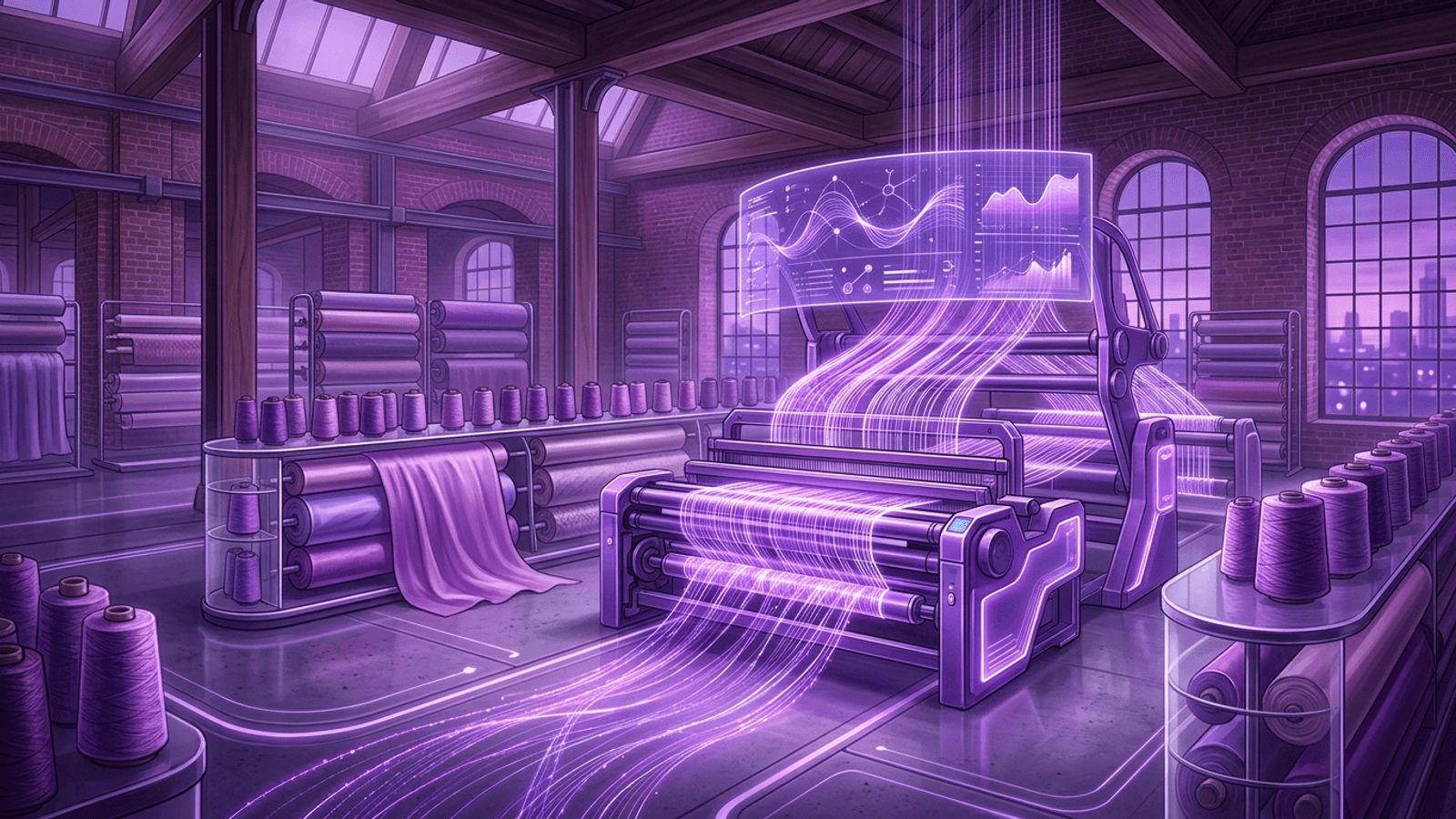
Cottonopolis Reborn
In the nineteenth century, Manchester was the world's leading centre of cotton processing, with hundreds of mills turning raw cotton into cloth that was exported across the globe. While mass production largely moved overseas in the twentieth century, the city's textile story is far from over. Today, a new generation of manufacturers is reviving British-made textiles, focusing on quality, sustainability and shorter, more transparent supply chains.
From fine cotton spinning to technical fabrics and premium garments, Greater Manchester and the wider North West still host an impressive range of textile businesses. This guide highlights ten of the most notable.
Why Made in Manchester Matters
Brands and retailers are increasingly seeking local suppliers to reduce lead times, improve quality control and meet growing customer demand for ethical, traceable products. Manufacturing closer to home also supports small batch production and faster responses to trends, which is valuable in an industry facing pressure to reduce waste.
The Top 10 Textile Manufacturers in Manchester
1. English Fine Cottons
Based in a restored mill in Dukinfield, Tameside, English Fine Cottons revived commercial cotton spinning in the UK. It produces high-quality yarns and fabrics for premium fashion and homeware brands, symbolising the return of cotton manufacturing to the region.
2. Private White V.C.
Private White V.C. manufactures premium menswear and outerwear in its Manchester factory near the city centre. The brand celebrates British craftsmanship, using quality fabrics and skilled makers to create durable garments with timeless style.
3. Christy
Christy has a long heritage linked to Hyde in Greater Manchester, where it helped popularise the terry towel. The brand remains synonymous with quality towels and bed linen and is a recognised name in British homeware.
4. Lancashire Textiles
Lancashire Textiles produces bedding, pillows and duvets for retail, hospitality and healthcare customers. Its North West manufacturing base allows it to offer flexible production and reliable supply.
5. Panaz
Based in Lancashire, Panaz designs and manufactures fabrics for healthcare, hospitality and commercial interiors. It is known for performance textiles with antimicrobial properties, flame retardance and strong design credentials.
6. John Spencer Textiles
John Spencer Textiles is one of the oldest family-run weaving companies in the UK. It produces woven fabrics for fashion, interiors and technical applications, combining heritage expertise with modern looms.
7. Halbro Sportswear
Based near Bolton, Halbro manufactures sportswear and rugby kits in the UK. Its in-house production allows clubs and brands to order custom designs with shorter lead times than overseas manufacturers.
8. Peter Reed
Peter Reed produces luxury bed and table linen in Lancashire. Its products are finished to high standards and supplied to discerning retailers and customers who value craftsmanship.
9. Represent
Represent is a Manchester-born fashion brand that has grown into an international name. It places strong emphasis on fabric quality and garment construction, helping put the city back on the global fashion map.
10. Boohoo Group
Headquartered in Manchester, Boohoo Group is one of the largest online fashion businesses in the UK. Its design, sourcing and quality teams in the city shape a significant volume of textile production and influence wider supply chain standards.
Trends in Manchester's Textile Industry
Sustainability is the dominant trend. Manufacturers are investing in organic and recycled fibres, reduced water and chemical use and circular business models that extend product lifecycles. Technical textiles for healthcare, protective clothing and sports are another growth area, drawing on research at local universities.
Skills development is equally important. Many manufacturers are working with colleges and training providers to pass on specialist sewing, weaving and finishing skills to a new generation of workers.
How to Choose a Textile Manufacturer
Brands should consider minimum order quantities, sampling processes, lead times and certification standards. Visiting a factory is highly recommended, as it gives insight into working conditions, quality control and communication. Ask about fabric sourcing and sustainability practices to ensure the manufacturer aligns with your brand values.
Frequently Asked Questions
Is it more expensive to manufacture textiles in Manchester? Unit costs are often higher than overseas production, but brands save on shipping, duties, warehousing and the risk of unsold stock. Faster turnaround and better quality control frequently offset the price difference.
Can small brands work with local manufacturers? Many North West manufacturers offer lower minimum order quantities than large overseas factories, making them ideal for start-up brands testing new designs or producing limited-edition collections.
Where can I see Manchester's textile history? The Science and Industry Museum in Castlefield and preserved mills across Greater Manchester showcase the machinery and stories that made the city the original Cottonopolis, offering useful inspiration for designers and makers.
The Role of Research and Universities
Manchester's universities continue to influence the textile sector through fashion, materials science and engineering research. Projects exploring smart fabrics, recycled fibres and low-impact dyeing give local manufacturers access to new ideas and talented graduates, helping the region compete on innovation rather than price alone.
Conclusion
Manchester's textile heritage is being reinvented for the modern age. From cotton spinning in Tameside to premium garment making in the city centre, the manufacturers listed above demonstrate that quality, ethical and locally made textiles have a bright future in the North West.