
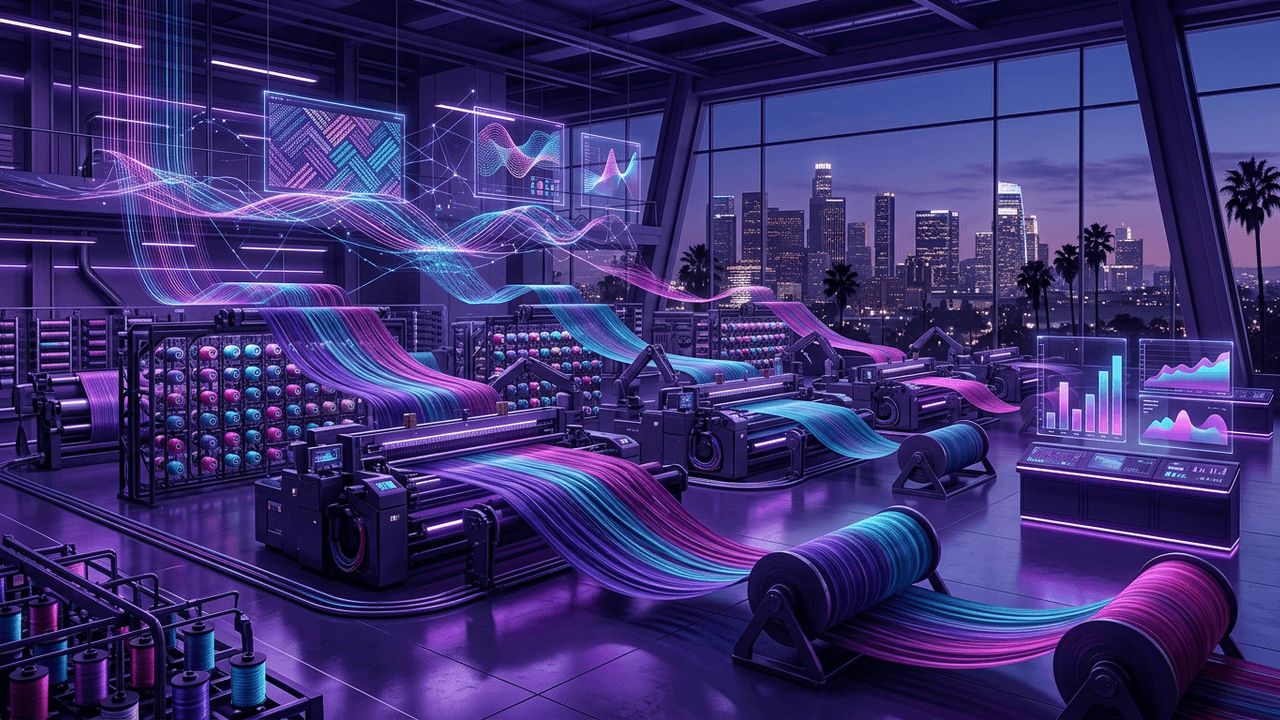
Inglewood and the Los Angeles Textile Economy
Inglewood sits within easy reach of one of the most important textile and apparel ecosystems in the country. The Los Angeles Fashion District, the knitting mills and dye houses of South Los Angeles, and the denim factories of the Southeast cities together form a supply chain that serves everything from startup streetwear labels to global fashion brands.
For Inglewood entrepreneurs and designers, working with local textile manufacturers means shorter lead times, lower shipping costs, easier quality control, and the marketing value of a Made in USA label. California's strict labor and environmental regulations also mean that reputable local producers tend to follow high standards. The ten companies below stand out for their reputation, capabilities, and service to brands in the region.
The Top 10 Textile Manufacturers Serving Inglewood
1. Los Angeles Apparel
Los Angeles Apparel operates large vertically integrated factories in South Los Angeles, producing basics such as t-shirts, sweatshirts, and activewear. It controls knitting, dyeing, cutting, and sewing under one roof, which allows consistent quality and rapid restocks. Many Inglewood brands use its blanks for custom printing.
2. Texollini
Texollini is a Long Beach knitting and dyeing mill known for technical and fashion fabrics used in activewear, swimwear, and intimates. Its in-house development team works with brands to create custom textures and performance properties, making it a go-to partner for innovative designers.
3. Robert Kaufman Fabrics
Robert Kaufman Fabrics is a long-established Southern California textile company with a vast library of cottons, linens, flannels, and quilting fabrics. Founded in the 1940s, the company is known for color consistency and dependable supply, serving both apparel makers and the craft market.
4. Matchmaster Dyeing and Finishing
Matchmaster Dyeing and Finishing is a Los Angeles dye house specializing in knit fabrics. It offers dyeing, printing, and finishing services with an emphasis on color accuracy and water-saving processes, helping brands achieve precise shades on production runs of many sizes.
5. Swisstex California
Swisstex California is a Los Angeles dyeing and finishing facility that has invested heavily in sustainability, including water recycling and energy-efficient equipment. It serves major apparel brands that need reliable domestic dyeing with documented environmental performance.
6. Antex Knitting Mills
Antex Knitting Mills is a Los Angeles textile mill producing a wide range of knit fabrics, from jersey and fleece to performance blends. Its vertical setup and large capacity make it a dependable supplier for brands scaling up production.
7. Citizens of Humanity
Citizens of Humanity is a premium denim company that manufactures in Los Angeles County. Known for quality construction and a commitment to regenerative cotton sourcing, it represents the high end of the region's renowned denim industry.
8. AG Jeans
AG Jeans operates a large denim manufacturing facility in Southern California, handling cutting, sewing, and advanced washing. The company has invested in ozone and laser finishing technology that reduces water and chemical use while creating distinctive denim looks.
9. Paige
Paige is a Los Angeles denim and apparel brand that has built its reputation on fit and fabric innovation. Much of its development and production work happens locally, giving it close control over quality and rapid response to fashion trends.
10. Bella+Canvas
Bella+Canvas manufactures premium blank apparel with a strong focus on soft fabrics and eco-friendly processes. Its Los Angeles roots and wide distribution make it one of the most popular choices for print shops and merchandise brands in and around Inglewood.
Trends in Southern California Textile Manufacturing
Sustainability is the defining trend in the region. Mills and dye houses are reducing water usage, adopting renewable energy, and offering organic and recycled fibers. Nearshoring is another major shift, as brands seek to reduce dependence on long overseas supply chains and respond faster to demand. Digital printing and on-demand production are helping smaller Inglewood labels launch collections with lower minimum order quantities.
Transparency is also increasingly important. Consumers want to know where and how their clothes are made, and local production makes it easier for brands to tell that story with confidence.
How to Choose a Textile Manufacturer
Define your fabric requirements, quantities, and timeline before contacting manufacturers. Ask for fabric swatches and sample runs, review minimum order quantities, and confirm whether the partner handles dyeing and finishing in house. Visit the facility when possible to evaluate working conditions and quality control. Finally, discuss sustainability certifications if environmental impact is part of your brand promise.
Frequently Asked Questions
What is the typical minimum order for a Los Angeles textile manufacturer?
Minimums vary widely. Blank apparel suppliers may sell in small quantities, while knitting mills and dye houses often require larger runs of fabric per color. Many local partners are flexible with emerging brands, especially for sampling and first production orders.
Is it more expensive to manufacture locally?
Unit costs are often higher than overseas production, but local manufacturing reduces shipping, duties, inventory risk, and lead times. Brands can order smaller batches, restock quickly, and avoid holding unsold inventory, which often balances out the difference.
How do I verify ethical production?
Visit the facility, ask about compliance with California labor laws, and request documentation of wage practices and certifications. Reputable manufacturers welcome these conversations and are proud to show how their products are made.
Conclusion
Inglewood brands have a remarkable advantage: access to one of the most capable textile ecosystems in the world, right in their backyard. The manufacturers listed above offer quality, speed, and expertise that can help any apparel business grow, whether you are printing your first batch of t-shirts or launching a premium denim line.