
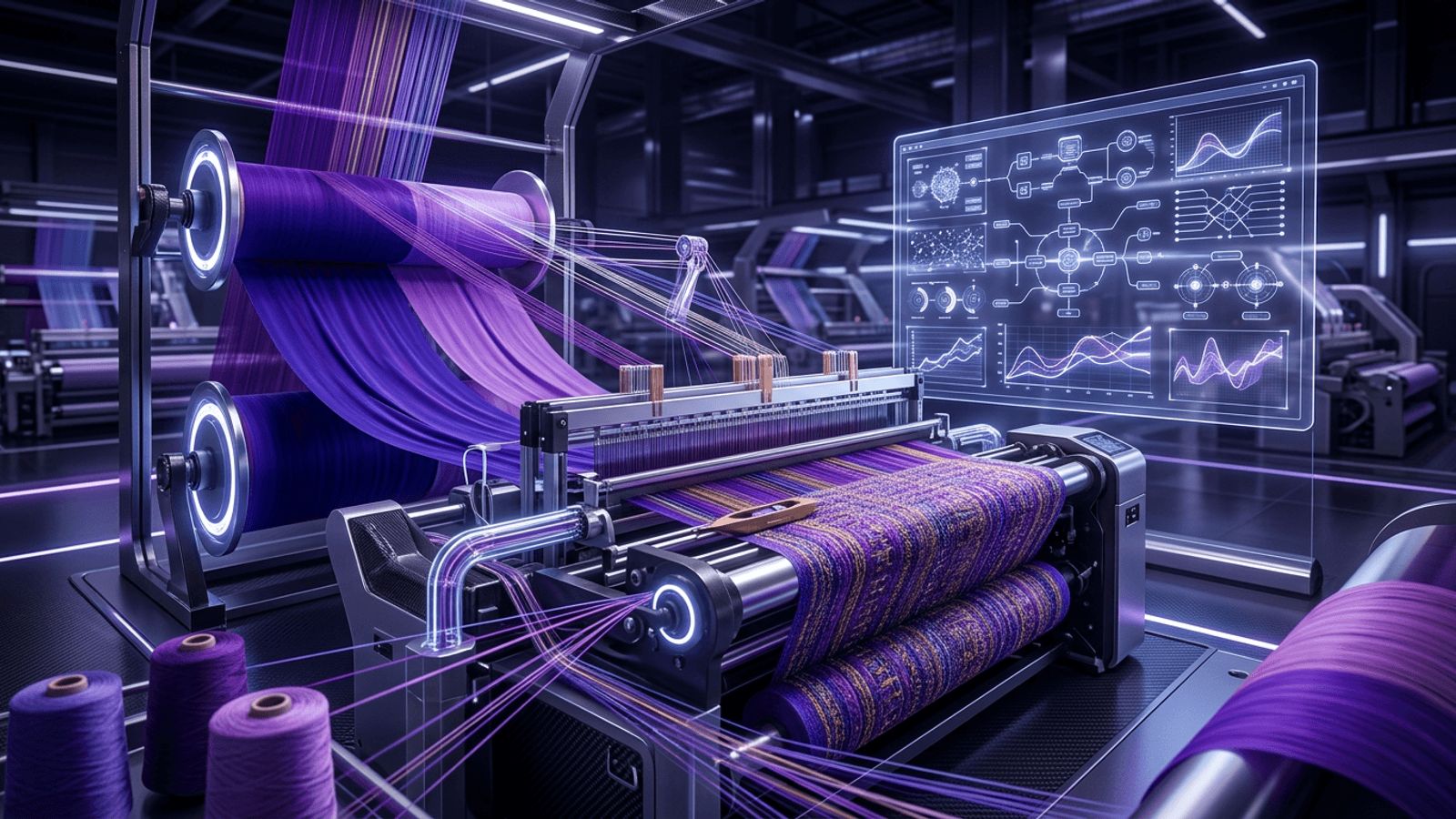
Hartford's Textile Heritage
The Connecticut River Valley was once one of the most important textile centers in the United States. Silk mills in Manchester, carpet mills in Thompsonville, and woolen mills in towns like Stafford Springs employed thousands of workers and shaped the communities around Hartford. While many traditional mills closed during the twentieth century, the region's textile expertise did not disappear. Instead, it evolved into high-performance materials, nonwovens, filtration media, and technical fabrics used in aerospace, health care, automotive, and industrial applications.
Today, manufacturers in Greater Hartford and the broader New England region combine heritage craftsmanship with advanced engineering. Below are ten textile manufacturers that stand out.
1. Ahlstrom
Ahlstrom operates a significant facility in Windsor Locks, just north of Hartford. The company produces specialty fiber-based materials, including nonwovens used in filtration, medical, and food and beverage applications. Its Windsor Locks operations build on a long history of paper and fiber manufacturing in the area.
2. Alkegen
Alkegen, which includes the former Lydall business based in Manchester, manufactures specialty engineered materials, including filtration media and thermal insulation. These advanced textiles are used in industrial, automotive, and clean air applications.
3. American Woolen Company
American Woolen Company revived a historic brand and operates a mill in Stafford Springs, Connecticut. It produces premium wool fabrics for apparel and design customers, showcasing American textile craftsmanship and domestic manufacturing.
4. Swift Textile Metalizing
Swift Textile Metalizing, based in Bloomfield, specializes in metalized fabrics and materials used for electromagnetic shielding, conductive textiles, and specialty applications. Its products serve defense, medical, and technology markets.
5. Lectra
Lectra, which acquired Gerber Technology of Tolland, Connecticut, provides cutting systems, software, and automation solutions for the textile, apparel, furniture, and automotive interiors industries. While not a fabric producer, it is a key technology partner for textile manufacturers worldwide.
6. Hollingsworth and Vose
Hollingsworth and Vose is a New England manufacturer of advanced nonwovens and filtration media. Its materials are used in air and liquid filtration, energy storage, and industrial applications, serving customers throughout the region and beyond.
7. National Nonwovens
National Nonwovens, located in western Massachusetts, produces needle-punched and felt materials for industrial, craft, and specialty markets. Its proximity to Hartford makes it a practical regional supplier.
8. Polartec
Polartec is a New England-based manufacturer of performance fabrics, known for fleece and technical textiles used in outdoor apparel and military gear. Its innovation in sustainable materials is widely recognized.
9. Kenyon Industries
Kenyon Industries, located in Rhode Island, specializes in dyeing, finishing, and coating technical fabrics for outdoor, military, and industrial uses. It serves brands and manufacturers across the Northeast.
10. Duro Textiles
Duro Textiles is a Massachusetts-based dyeing and finishing company for technical and apparel fabrics. Its capabilities in specialty finishes support performance textile production for regional customers.
The Rise of Technical Textiles
Technical textiles are engineered for performance rather than appearance. They include filtration media, protective fabrics, medical textiles, composites, and conductive materials. Hartford's aerospace and defense industries, along with regional health care and clean energy sectors, create strong demand for these specialized products. The shift toward technical textiles has allowed New England manufacturers to compete globally through innovation and quality rather than low cost.
Sustainability in Textile Manufacturing
Sustainability is a growing priority. Manufacturers are using recycled fibers, reducing water and energy consumption, and developing biodegradable nonwovens. Customers increasingly ask suppliers about environmental certifications and supply chain transparency, and New England manufacturers are responding with cleaner processes and domestic production that shortens supply chains.
How to Choose a Textile Manufacturer
Identify your material requirements, including performance specifications, certifications, and volumes. Ask about testing capabilities, quality control, lead times, and minimum order quantities. Domestic manufacturers often provide greater consistency, faster communication, and more reliable delivery than overseas suppliers.
Frequently Asked Questions
What are nonwoven fabrics?
Nonwovens are materials made by bonding fibers together mechanically, thermally, or chemically rather than weaving or knitting them. They are used in filters, medical gowns, wipes, insulation, and many industrial products.
Is textile manufacturing still significant in Connecticut?
Traditional apparel milling has declined, but specialty and technical textile production remains important. Connecticut companies produce filtration media, conductive fabrics, and engineered materials for demanding industries.
Why choose a domestic textile supplier?
Domestic suppliers can offer shorter lead times, easier communication, consistent quality, and reduced shipping risk. These benefits are especially valuable for defense, medical, and aerospace customers with strict requirements.
What certifications matter for technical textiles?
Depending on the application, buyers may look for ISO quality management certification, medical device standards, flame resistance testing, and sustainability certifications. Confirm that the supplier's documentation matches your industry's requirements.
Can textile manufacturers develop custom materials?
Many specialty producers collaborate with customers to engineer fabrics for specific performance needs, such as filtration efficiency, conductivity, or heat resistance. Early collaboration shortens development time and improves results.
Final Thoughts
Greater Hartford's textile story has evolved from historic silk and wool mills to advanced engineered materials. The manufacturers on this list carry that legacy forward with innovation, quality, and a commitment to regional manufacturing excellence.