
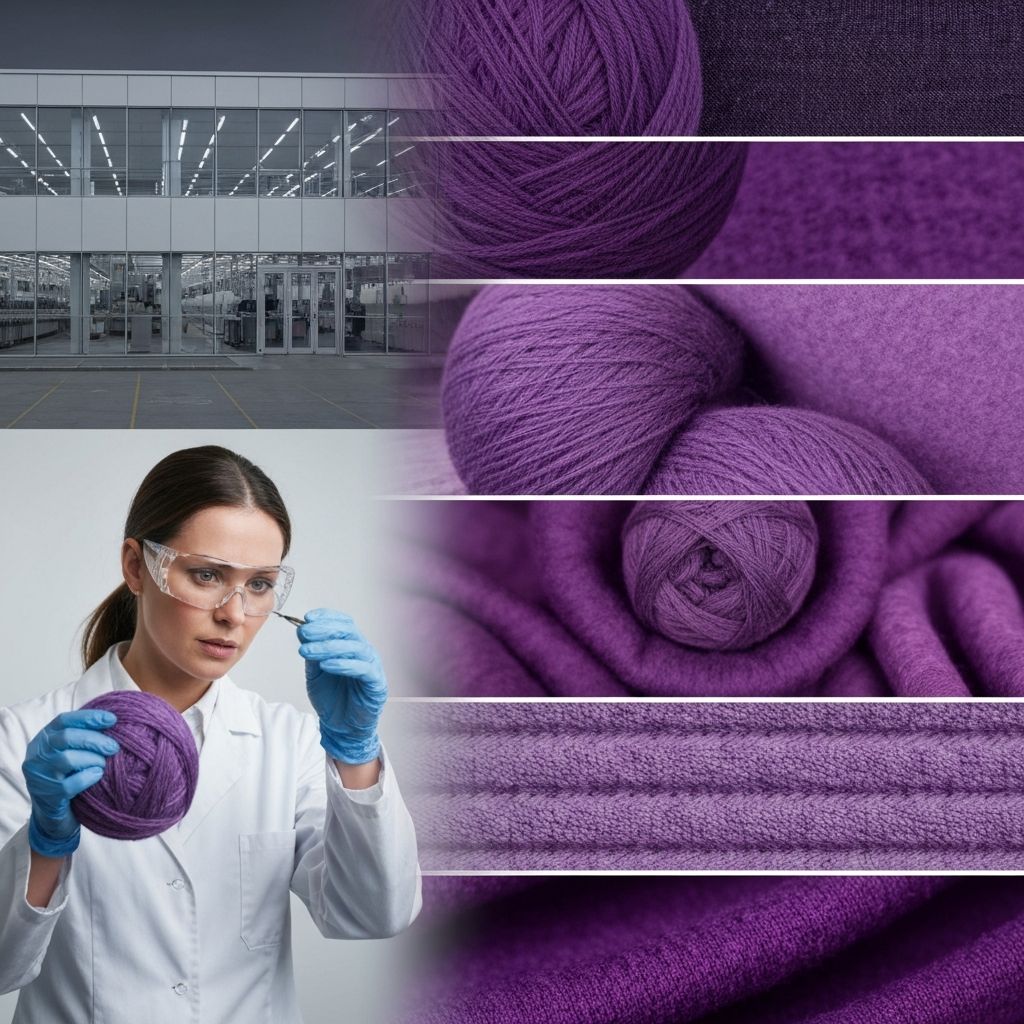
The German Textile Industry
Germany has a long and distinguished history in textile production, dating back centuries. While the global textile industry has shifted significantly, Germany maintains a strong position as a producer of high-quality, technical, and innovative textiles. The country is particularly known for technical textiles, performance fabrics, premium fashion materials, and sustainable production practices.
Why German Textiles Stand Out
German textile manufacturers are renowned for their precision engineering, rigorous quality standards, and strong commitment to research and development. Many companies focus on niche markets such as automotive textiles, medical fabrics, sportswear, and high-end home textiles. Sustainability and circular economy principles are increasingly central to the industry's identity.
Top 10 Best Textile Manufacturers in Germany
1. Trigema — A family-owned manufacturer based in Burladingen, Trigema produces sportswear and casualwear entirely in Germany, with a strong commitment to local production and quality.
2. Lauffenmühle — Specializing in technical and sustainable textiles, Lauffenmühle is known for its innovative approach to fabric development and circular textile solutions.
3. Mey — A premium underwear and homewear manufacturer based in Albstadt, Mey is celebrated for its high-quality fabrics and ethical manufacturing practices.
4. Schoeller Textil — Although headquartered in Switzerland, Schoeller has strong German operations and is known for performance and protective textiles used worldwide.
5. Vaude — A leader in sustainable outdoor apparel, Vaude designs and manufactures with strong eco-friendly principles, including bluesign-certified materials.
6. Hugo Boss — A global luxury fashion brand headquartered in Metzingen, Hugo Boss combines design excellence with high-quality fabric sourcing and finishing.
7. Falke — A premium hosiery and apparel manufacturer based in Schmallenberg, Falke is known for socks, tights, sportswear, and sophisticated fashion lines.
8. Drykorn — A contemporary fashion brand producing high-quality menswear and womenswear, with strong attention to fabric quality and modern design.
9. Elsbach Textilveredlung — A specialist in textile finishing, dyeing, and printing, Elsbach serves industrial customers across multiple sectors.
10. Triumph International — A leading lingerie manufacturer with German roots, Triumph combines fashion-forward design with technical fabric innovation.
Key Segments of the German Textile Industry
The German textile industry covers several key segments: fashion and apparel, technical textiles, home textiles, automotive textiles, medical textiles, and protective fabrics. Technical textiles, in particular, represent a major strength, with German firms leading globally in performance and innovation.
Innovation and R&D
Germany boasts a strong textile research network, including institutes like the German Textile Research Centre North-West (DTNW) and the Hohenstein Institute. Collaborations between industry, academia, and government drive constant innovation in materials, processes, and applications.
Sustainability in German Textiles
Sustainability is a major focus for German manufacturers. Initiatives include water-saving dyeing processes, recycled fibers, biodegradable materials, and Cradle to Cradle certifications. The German Textiles Partnership (Bündnis für nachhaltige Textilien) brings together stakeholders to promote responsible practices throughout the supply chain.
Technical Textiles Leadership
German technical textiles are used in automotive interiors, aerospace components, medical implants, geotextiles, and protective clothing. The country's expertise in engineering and quality control gives its manufacturers a competitive edge in these high-value markets.
Challenges Facing the Industry
The German textile industry faces challenges including global competition, rising production costs, and supply chain disruptions. However, the focus on quality, innovation, and sustainability provides a strong foundation for continued success. Digitalization and automation are also helping companies remain competitive.
Future Outlook
The future of German textiles lies in smart fabrics, sustainable production, technical applications, and digital transformation. As consumers and businesses increasingly demand traceability, performance, and environmental responsibility, German manufacturers are well-positioned to lead the next wave of textile innovation.
Conclusion
Germany's textile industry combines tradition, innovation, and sustainability in unique ways. The manufacturers highlighted above represent the best of German textile heritage, producing world-class products that serve fashion, industry, and consumers across the globe. Their commitment to quality, ethics, and continuous improvement keeps the German textile sector strong and globally relevant.