
Downey and the Los Angeles Textile Corridor
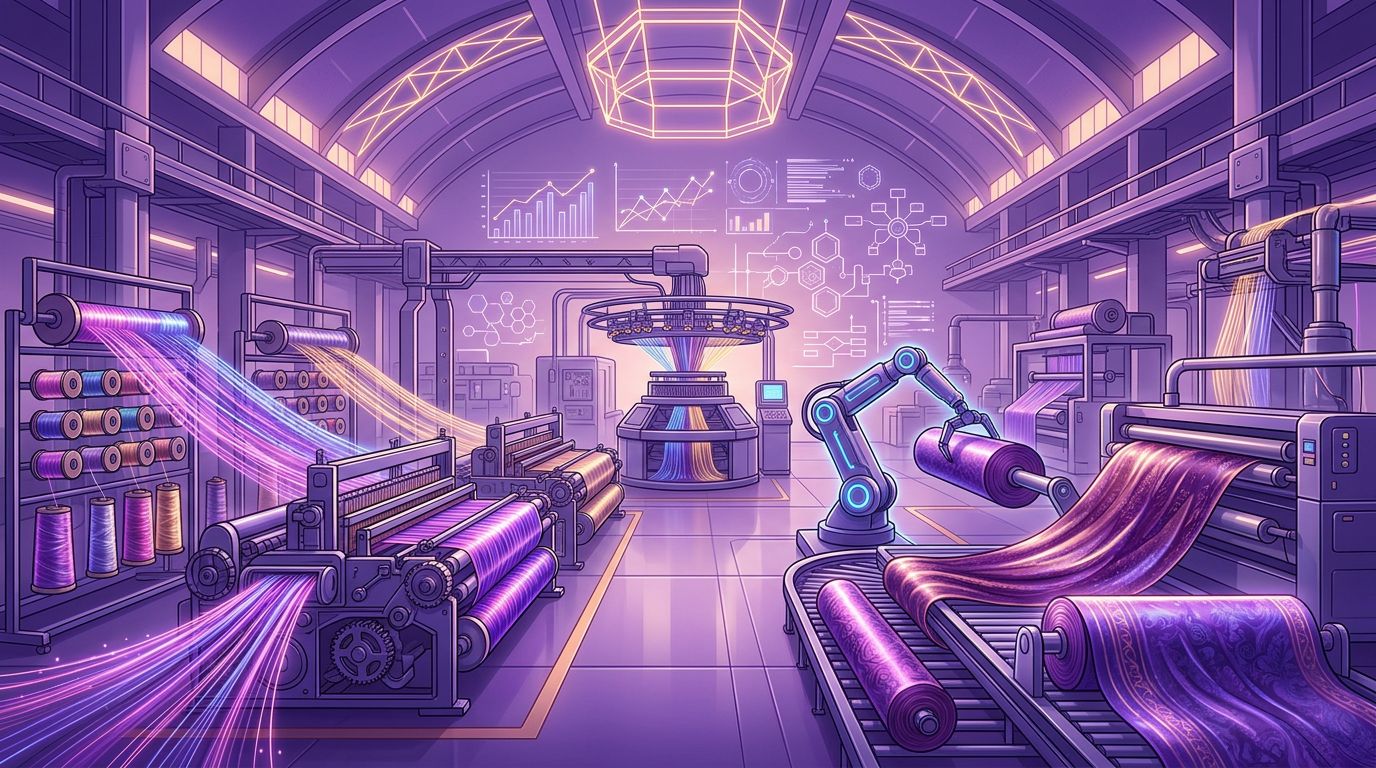
Los Angeles County remains the largest center of apparel and textile manufacturing in the United States. While much of the activity is concentrated in the Fashion District, Vernon, Commerce, South Gate, and Huntington Park, Downey sits within easy reach of this ecosystem. Local brands, designers, and private-label companies in Downey benefit from proximity to knitting mills, dye houses, cut-and-sew contractors, and finishing facilities that can turn ideas into finished garments quickly.
Domestic manufacturing offers faster turnaround, smaller minimum orders, and better quality control compared with overseas production. As brands reconsider long supply chains, Southern California's textile manufacturers have become increasingly valuable partners.
What to Consider When Choosing a Textile Manufacturer
Brands should evaluate capabilities, minimum order quantities, lead times, and certifications. Some manufacturers specialize in knit fabrics, others in denim or woven goods, and some provide full-package production from fabric sourcing to finished, labeled garments. Ethical labor practices and compliance with California's Garment Worker Protection Act are also essential considerations.
The Top 10 Textile Manufacturers Serving Downey
1. Texollini
Texollini is a vertically integrated knit fabric manufacturer located in nearby Long Beach. The company knits, dyes, prints, and finishes fabrics in-house, producing performance and fashion textiles for activewear, swimwear, and apparel brands across the country.
2. Antex Knitting Mills
Antex Knitting Mills is a Los Angeles-based knitting operation with decades of experience producing jersey, rib, fleece, and specialty knits. It supplies fabric to apparel manufacturers throughout Southern California and supports domestic production for many brands.
3. Matchmaster Dyeing and Finishing
Matchmaster Dyeing and Finishing is a large Los Angeles dye house that provides dyeing, finishing, and printing services for knit fabrics. Dye houses like Matchmaster are crucial to the local supply chain because they allow brands to achieve precise colors close to home.
4. Los Angeles Apparel
Founded by the creator of American Apparel, Los Angeles Apparel manufactures basics such as t-shirts, sweatshirts, and activewear in its South Los Angeles factory. It is known for heavyweight cotton garments and offers wholesale blanks to brands and print shops.
5. AG Jeans
AG, short for Adriano Goldschmied, is a premium denim brand with deep roots in Los Angeles manufacturing. Its long-running production and laundry operations in Southeast Los Angeles County have made it one of the region's most recognizable denim makers.
6. Citizens of Humanity
Citizens of Humanity is a Los Angeles premium denim company known for craftsmanship and sustainable practices. The company has emphasized regenerative cotton sourcing and domestic production, contributing to the region's reputation for high-end denim.
7. Saitex
Saitex is a sustainability-focused denim manufacturer that opened a factory in Los Angeles to bring circular, low-water denim production to the United States. It works with brands seeking environmentally responsible manufacturing close to their customers.
8. Lefty Production Co.
Lefty Production Co. is a Los Angeles design and production house that helps emerging and established brands with patternmaking, sampling, and small-batch manufacturing. It is a practical choice for Downey entrepreneurs launching new clothing lines.
9. Jerry Leigh of California
Jerry Leigh of California is a long-established apparel manufacturer in the Los Angeles area that produces licensed and private-label apparel for major retailers. Its scale and licensing expertise make it a key player in the regional garment industry.
10. Unifi
Unifi is a leading yarn manufacturer best known for its Repreve recycled fiber made from plastic bottles. Many Southern California fabric mills and brands incorporate Repreve into their products, supporting sustainable textile production.
Trends in Southern California Textile Manufacturing
Sustainability is transforming the industry. Brands are adopting recycled fibers, low-impact dyes, water recycling, and transparent supply chains. Nearshoring is another powerful trend, with companies moving production closer to customers to reduce shipping times, inventory risk, and carbon emissions.
Technology is also advancing rapidly. Digital textile printing allows small runs with unlimited colors, while computer-aided design and automated cutting reduce waste. Some manufacturers are experimenting with on-demand production models that create garments only after they are ordered.
Benefits of Working with Local Manufacturers
For Downey-based brands, working with nearby manufacturers means faster sampling, easier factory visits, and greater control over quality. Smaller minimum orders allow startups to test designs without large upfront investments. Domestic production also supports local jobs and can be a compelling story for customers who value ethically made products.
Frequently Asked Questions
What minimum order should a new brand expect?
Minimums vary widely. Small production houses may accept runs of a few dozen pieces per style, while knitting mills and dye houses typically require larger fabric quantities. Starting with a sampling partner and scaling to larger mills as sales grow is a common strategy for Downey startups.
How long does domestic production take?
Local production can often move from approved sample to finished goods in several weeks, compared with months for overseas manufacturing. Faster turnaround lets brands react to trends and reorder best sellers before they sell out.
How can brands verify ethical manufacturing?
Ask manufacturers about their registration with the California Labor Commissioner, request information about wage practices, and visit facilities in person whenever possible. Transparent partners welcome these conversations and view them as part of a healthy long-term relationship.
Final Thoughts
Downey's location places it next to one of the most dynamic textile and apparel ecosystems in the world. The manufacturers above represent a cross-section of knitting, dyeing, denim, and full-package production capabilities. Whether you are launching a new clothing line or scaling an established brand, these companies offer the expertise and flexibility to bring your products to market.