
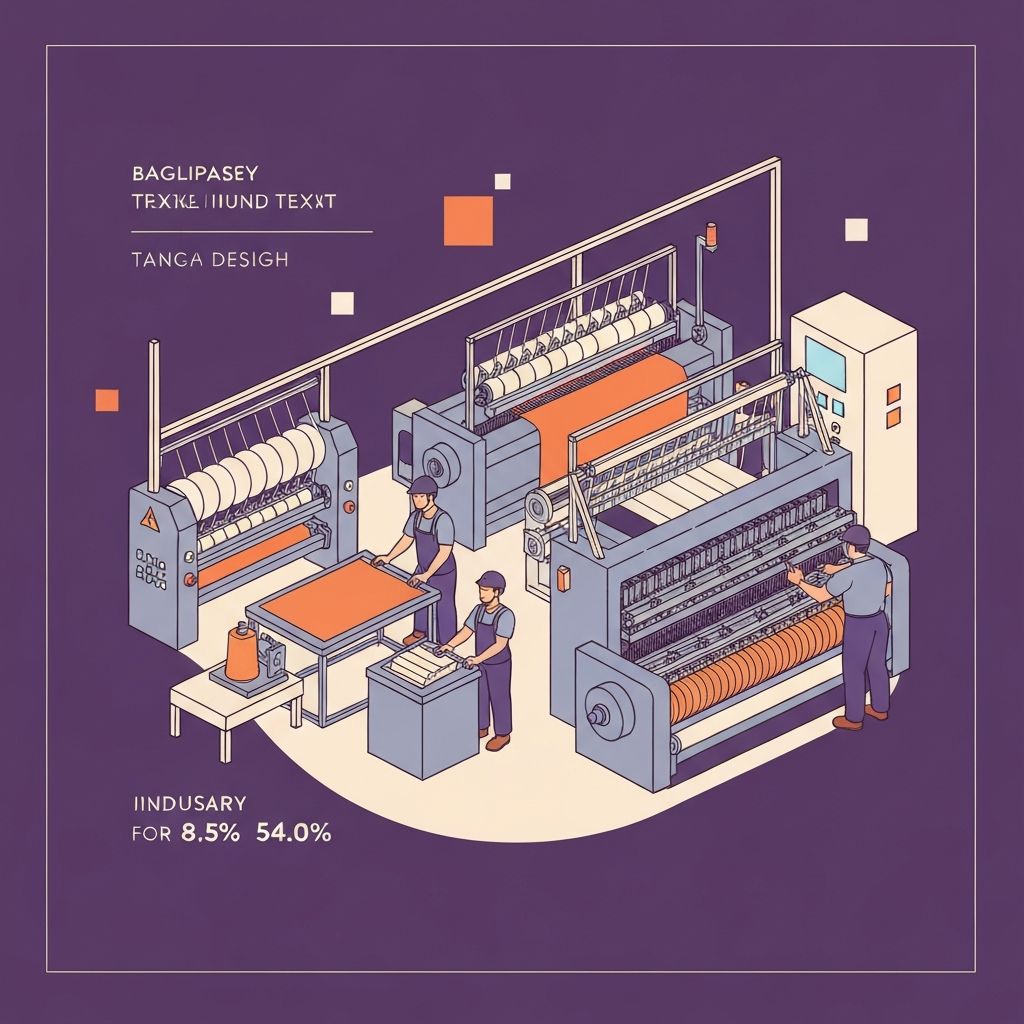
Bangladesh: A Global Textile Powerhouse
Bangladesh has emerged as the world's second-largest garment exporter, with the textile industry forming the backbone of the national economy. The sector employs millions of workers, predominantly women, and generates the majority of export earnings. From humble beginnings in the 1980s, Bangladesh's textile industry has grown into a sophisticated manufacturing ecosystem capable of producing everything from basic knits to high-fashion garments for the world's leading brands.
The Evolution of Textile Manufacturing
The textile sector in Bangladesh has evolved significantly over the decades. Early focus on basic garments has given way to diversified production including sophisticated fabrics, technical textiles, and value-added products. Manufacturers have invested heavily in modern machinery, sustainable practices, and worker welfare. International certifications for quality, environmental management, and social compliance have become standard among leading manufacturers.
1. Beximco Textiles
Beximco Textiles stands as one of the largest vertically integrated textile manufacturers in Bangladesh. The company operates state-of-the-art facilities for spinning, weaving, dyeing, and finishing. Their products range from yarn and fabrics to finished garments exported to markets worldwide. Beximco's commitment to quality and sustainability has earned them partnerships with global retail brands. The company's scale and vertical integration enable competitive pricing while maintaining high standards.
2. Square Textiles
Square Textiles, part of the diversified Square Group, produces high-quality yarn and fabrics for domestic and export markets. The company has invested in modern technology and skilled workforce development. Their spinning mills produce various yarn types to meet diverse customer requirements. Square's reputation for reliability and quality makes them a preferred supplier for many garment manufacturers.
3. DBL Group
DBL Group has grown into one of Bangladesh's largest textile conglomerates with facilities spanning spinning, fabric production, dyeing, and garment manufacturing. The group serves major international brands and retailers with consistent quality and timely delivery. DBL's investments in sustainable manufacturing practices, including water treatment and renewable energy, demonstrate their commitment to responsible production. Their vertically integrated operations provide competitive advantages in the global market.
4. Envoy Group
Envoy Group specializes in knitwear manufacturing, producing millions of garments annually for export to North America, Europe, and other markets. The company operates multiple production facilities equipped with modern machinery and quality control systems. Envoy's focus on product development and design capabilities enables them to offer fashion-forward products to their retail clients. Their workforce training programs ensure consistent quality across high-volume production.
5. Standard Group
Standard Group is a diversified textile company with operations in spinning, weaving, knitting, dyeing, and garment manufacturing. The group's facilities are certified for various international quality and compliance standards. Standard's comprehensive capabilities allow them to handle orders from fiber to finished garment under one roof. Their customer base includes well-known global brands that value quality and reliability.
6. Noman Group
Noman Group has built a reputation as a reliable knitwear and woven garment manufacturer serving international markets. The group operates multiple production facilities with combined capacity of millions of pieces per month. Their investments in technology and process improvement have enhanced efficiency and quality. Noman's long-standing relationships with major retailers demonstrate their ability to meet demanding requirements consistently.
7. Viyellatex Group
Viyellatex Group is a pioneer in Bangladesh's knitwear industry, having established some of the country's first export-oriented knit manufacturing facilities. The group has maintained its leadership position through continuous innovation and quality improvement. Their vertically integrated operations from yarn to finished garments provide comprehensive solutions for clients. Viyellatex's commitment to sustainability includes green building certifications and environmental management systems.
8. Fakir Group
Fakir Group combines textile manufacturing with fashion expertise to produce quality garments for global markets. The group's facilities include knitting, dyeing, and garment manufacturing units operating with modern equipment. Their design and development capabilities enable them to translate fashion trends into production-ready garments. Fakir's customer-focused approach has built strong relationships with international brand partners.
9. Pacific Jeans Group
Pacific Jeans Group specializes in denim and casual wear manufacturing, serving major global brands with quality products. The group has invested significantly in sustainable denim production technologies that reduce water and chemical usage. Their laundry facilities can create diverse finishes demanded by fashion markets. Pacific Jeans demonstrates that Bangladesh can excel in specialized garment categories, not just basic products.
10. Ha-Meem Group
Ha-Meem Group is one of Bangladesh's largest apparel manufacturers, operating numerous facilities producing millions of garments monthly. The group's scale enables them to handle large orders for major retail chains while maintaining quality standards. Their investments in worker welfare and sustainable practices have earned international recognition. Ha-Meem's comprehensive capabilities and reliability make them a strategic partner for global brands.
The Future of Textile Manufacturing in Bangladesh
Bangladesh's textile industry continues to evolve toward higher value-added products, sustainable manufacturing, and technological advancement. Automation and digitization are improving efficiency while sustainability initiatives address environmental and social concerns. The industry's success has created a skilled workforce and supporting ecosystem that position Bangladesh for continued growth. These leading manufacturers are driving the transformation that will define the sector's future.