
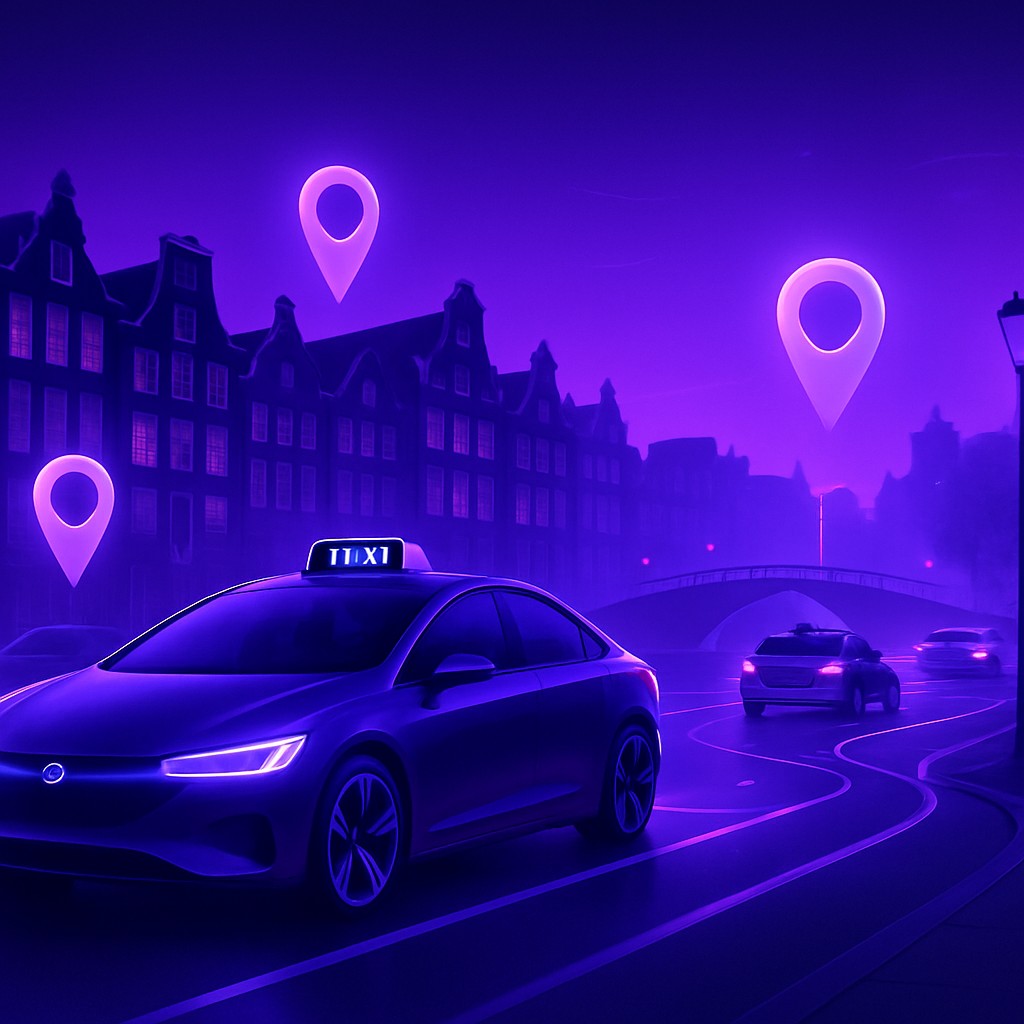
Getting Around the Netherlands by Taxi
While the Netherlands is renowned for its cycling culture and efficient public transport, taxis remain an essential part of the country's mobility landscape. They offer comfort, convenience, and door-to-door service that is especially valuable for airport transfers, late-night travel, business trips, and journeys with luggage. Whether navigating the bustling streets of Amsterdam or traveling between regional towns, taxi services provide a dependable transport solution.
The Dutch taxi industry is well-regulated, ensuring high standards of safety, professionalism, and fair pricing. Licensed drivers undergo thorough vetting, and vehicles are regularly inspected, giving passengers confidence in the quality of service. This regulatory framework has helped maintain trust and reliability across the sector.
Leading Taxi Providers
Several well-established companies dominate the Dutch taxi market. Taxi Electric, an Amsterdam-based pioneer, has earned acclaim for operating an entirely electric fleet, reflecting the country's commitment to sustainability. Its eco-friendly approach appeals to environmentally conscious travelers who value clean, quiet rides.
TCA, also known as Taxicentrale Amsterdam, is one of the largest and most recognizable taxi organizations in the capital, offering extensive coverage and a large fleet. For broader national reach, platforms such as Uber and Bolt operate in major cities, providing convenient app-based booking, transparent pricing, and cashless payments that appeal to both locals and visitors.
Airport and Long-Distance Transfers
One of the most common uses for taxi services is airport transfers, particularly to and from Schiphol Airport. Numerous specialized companies offer fixed-rate transfers, ensuring predictable pricing and stress-free travel. These services are ideal for travelers carrying luggage or arriving at unfamiliar destinations, offering a seamless transition from airport to accommodation.
For long-distance journeys, many providers offer comfortable vehicles and experienced drivers familiar with the most efficient routes. Pre-booking these transfers guarantees availability and peace of mind, especially during early morning departures or late-night arrivals when other transport options may be limited.
App-Based Convenience and Innovation
The rise of ride-hailing apps has transformed the taxi experience in the Netherlands. Platforms like Uber and Bolt allow passengers to book rides instantly, track their driver in real time, and pay digitally. This convenience, combined with upfront fare estimates, has made app-based services increasingly popular among younger travelers and tech-savvy commuters.
Traditional taxi companies have also embraced technology, offering their own booking apps and online reservation systems. This blend of innovation and established reliability ensures passengers can choose the method that best suits their preferences, whether hailing a cab on the street, calling a dispatch center, or booking through an app.
Pricing, Regulations, and Transparency
Taxi pricing in the Netherlands is regulated, with maximum fares set by authorities to protect consumers. Meters display fares clearly, and drivers are required to provide receipts upon request. For app-based services, fares are typically calculated in advance, offering transparency and eliminating surprises.
Travelers should be aware that street-hailed taxis may sometimes cost more than pre-booked or app-based rides, particularly in tourist-heavy areas. Choosing reputable, licensed providers helps ensure fair pricing and professional service. Confirming the fare or estimate before departure is always a sensible practice.
Sustainability in the Taxi Sector
Sustainability has become a defining theme within the Dutch taxi industry. Many companies are transitioning to electric and hybrid vehicles, supported by the country's extensive charging infrastructure. This shift aligns with national environmental goals and growing passenger demand for greener transport options.
Electric taxi fleets not only reduce emissions but also offer a smoother, quieter ride. As more providers adopt sustainable practices, passengers can increasingly enjoy responsible travel without sacrificing comfort or convenience. This commitment to sustainability further enhances the appeal of Dutch taxi services.
Tips for a Smooth Taxi Experience
To ensure a pleasant journey, travelers should choose licensed, reputable providers and confirm pricing in advance whenever possible. Booking ahead for airport transfers and busy periods guarantees availability and reduces waiting times. Keeping a record of the company name or booking details adds an extra layer of security.
For app-based rides, verifying the driver and vehicle details before entering the car is a wise precaution. Being clear about your destination and any specific requirements helps drivers provide the best possible service. With a little preparation, taxi travel in the Netherlands is comfortable, efficient, and reliable.
Travelers with special requirements, such as wheelchair accessibility, child seats, or larger vehicles for groups, should communicate these needs when booking. Many Dutch taxi companies offer specialized vehicles and accommodations, but advance notice ensures availability. Likewise, those traveling with pets or oversized luggage benefit from confirming policies ahead of time, guaranteeing a smooth and hassle-free journey from start to finish.
Final Thoughts
Taxi services play a vital role in keeping the Netherlands connected, offering flexible and convenient transport across cities and regions. From pioneering electric fleets to modern ride-hailing platforms, the sector combines reliability with innovation and sustainability. By understanding the available options and choosing reputable providers, travelers can enjoy smooth, comfortable journeys throughout this dynamic and well-organized country.