
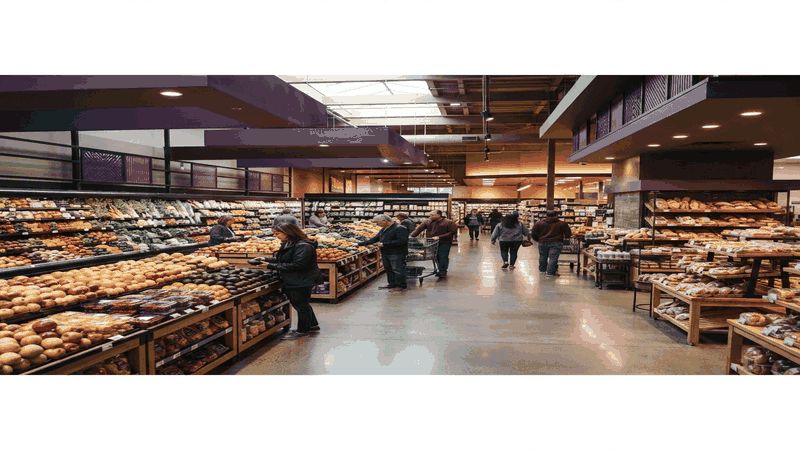
Nashville’s Diverse Grocery Landscape
Nashville’s growth has expanded its grocery choices. Longtime regional favorites now compete with natural-food markets, discount chains, warehouse clubs, and international specialists. The best supermarket depends on household size, neighborhood, cooking habits, dietary needs, and how much time a shopper can spend comparing prices.
Food prices also vary by category. One store may be strongest for produce while another offers better pantry staples or prepared meals. Many Nashville households save by using a primary weekly store and a second destination for specialty items.
1. Publix
Publix is valued for clean stores, organized departments, prepared foods, bakery items, and service. Its deli sandwiches and convenient meal options appeal to busy households. Prices may not always be the lowest, but weekly promotions and dependable execution can make the chain worthwhile for customers who prioritize a smooth shopping experience.
2. Kroger
Kroger has a broad Nashville footprint and serves as a practical full-line supermarket for produce, meat, pantry goods, pharmacy needs, and household supplies. Digital offers and loyalty pricing can create savings for regular customers. Because location size and inventory vary, shoppers often develop a preferred branch based on department quality and checkout flow.
3. Whole Foods Market
Whole Foods Market specializes in natural and organic products, premium ingredients, prepared foods, and clearly presented standards. It is especially useful for shoppers seeking specialty dietary items, responsibly sourced options, or an extensive hot bar. Value improves when customers focus on store-brand basics and buy premium products selectively.
4. Trader Joe’s
Trader Joe’s offers a curated collection dominated by private-label foods, frozen meals, snacks, sauces, cheeses, and seasonal discoveries. The smaller assortment simplifies some decisions and creates a distinctive experience. It is less suitable as a complete one-stop store for every household, but excellent for convenient meal components and unusual flavors.
5. Aldi
Aldi emphasizes low prices, a compact store, private labels, and operational efficiency. Shoppers who are flexible about brands can save on staples, dairy, produce, and rotating specialty products. Bringing bags, using the cart-deposit system, and checking produce condition are simply part of the streamlined model.
6. The Fresh Market
The Fresh Market provides a boutique grocery atmosphere with premium meat, produce, bakery goods, prepared foods, and specialty pantry products. It suits smaller trips, entertaining, and shoppers who want inspiration without navigating a warehouse-sized store. Weekly meal promotions can offer a practical entry point beyond special-occasion purchases.
7. Sprouts Farmers Market
Sprouts centers its experience on produce, bulk foods, vitamins, natural groceries, and products for varied diets. Bulk sections allow customers to buy only the needed quantity, which can reduce waste when trying grains, nuts, or spices. Shoppers should still compare unit prices because bulk presentation does not guarantee a lower cost.
8. Food Lion
Food Lion provides straightforward neighborhood grocery shopping with mainstream products, fresh departments, and loyalty promotions. Its manageable format can make routine trips efficient. Customers focused on a consistent list rather than extensive specialty selection may find it a practical balance of convenience and value.
9. Costco
Costco serves larger households, businesses, and meal planners through bulk groceries, meat, produce, bakery goods, and household products. Unit prices can be strong, but savings disappear if perishable food is wasted. Membership value is highest when families have storage, understand consumption rates, and resist oversized impulse purchases.
10. K&S World Market
K&S World Market is an essential Nashville destination for international groceries, diverse produce, seafood, spices, sauces, noodles, grains, and specialty ingredients. The selection supports the city’s multicultural communities and curious home cooks. New shoppers can benefit from planning around a specific recipe while remaining open to fresh ingredients not found in mainstream stores.
How to Control the Grocery Budget
Plan several meals around ingredients already at home, then build a list that allows overlapping use. Compare unit prices rather than package prices, and distinguish genuine weekly needs from promotional temptations. Store-brand staples are often effective places to save, leaving more room in the budget for ingredients where quality differences matter personally.
Nashville traffic should be included in the calculation. Driving across the city to save a small amount may not be worthwhile after fuel and time. Pickup services can reduce impulse purchases, while in-store shopping remains valuable for choosing produce, checking markdowns, and responding to seasonal availability.
A Store for Every Kind of Cook
Publix and Kroger are dependable full-line options, Aldi addresses price, Whole Foods and The Fresh Market emphasize premium selection, and K&S broadens Nashville’s culinary possibilities. The strongest grocery routine may involve more than one chain, but it should remain simple enough to sustain. A good market helps a household waste less, cook more confidently, and enjoy food within a realistic budget.