
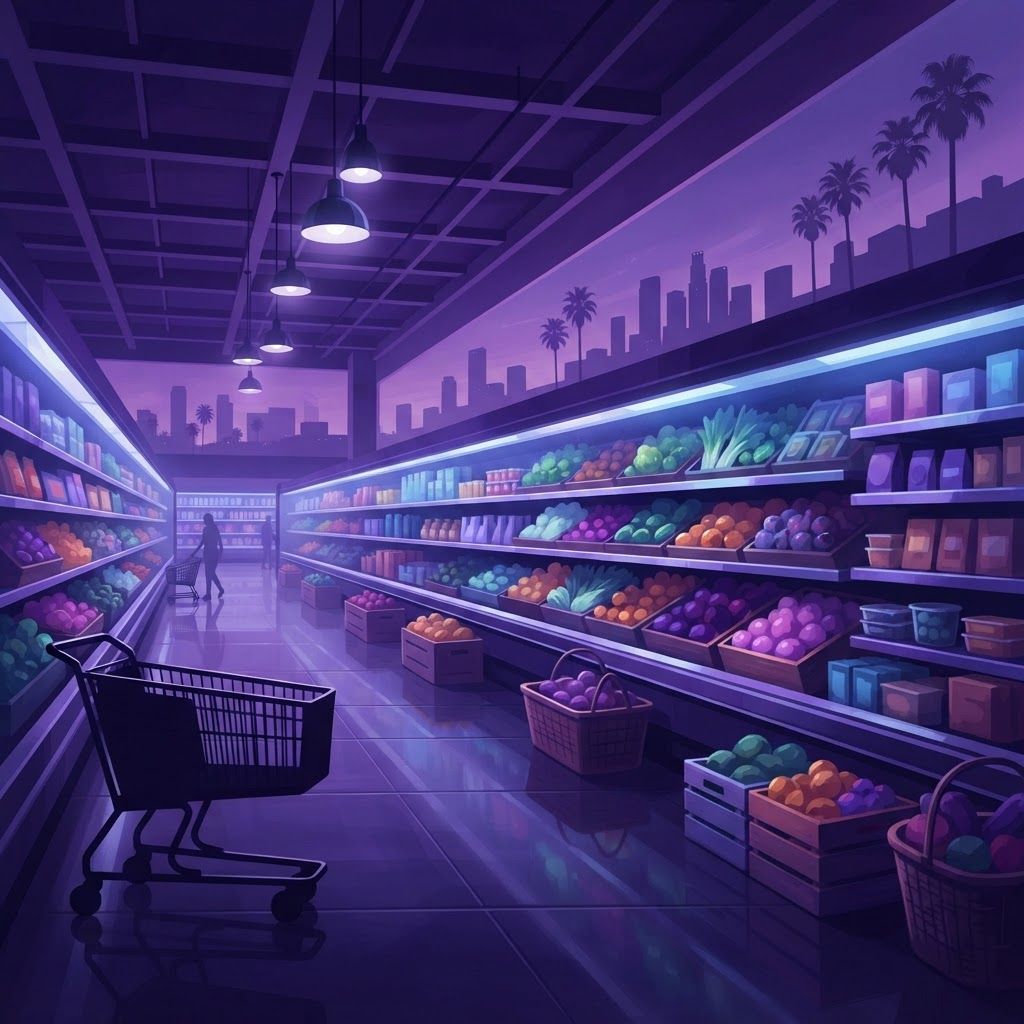
Why Glendale Grocery Shopping Is Genuinely Interesting
Few cities of comparable size offer such a wide grocery spectrum. Glendale's cultural diversity, particularly its large Armenian, Middle Eastern, Latin American, and Korean communities, has produced a grocery landscape where mainstream chains sit alongside specialty markets carrying ingredients that are difficult to find elsewhere. Add year-round Southern California produce availability and you have a market where fresh quality is competitive rather than assumed.
For shoppers, this creates real opportunity. Many residents shop across two or three stores, using a mainstream chain for staples and a specialty market for produce, bread, cheese, spices, or prepared foods. Understanding the strengths of each format is the key to shopping both better and cheaper.
How to Evaluate a Supermarket
Start with produce turnover, which is visible in how tightly stocked and how crisp the displays look late in the day. Check the meat and seafood counters for staffing, labeling clarity, and whether custom cuts are available. Bakery and deli quality often indicate overall standards, because those departments require daily labor and cannot be faked.
Beyond quality, weigh practical factors: consistent stock on the items you buy weekly, sensible store layout, checkout throughput, parking access, and honest pricing without heavy reliance on confusing multi-buy promotions. Loyalty programs and digital coupons matter if you shop the same store repeatedly, and delivery or curbside options are increasingly important for busy households.
The Top 10 Supermarket Chains in Glendale
1. Verdugo Fresh Market
A produce-forward chain with strong local sourcing relationships, Verdugo Fresh Market is known for seasonal fruit quality and a well-run bulk section. Its stores maintain visible produce rotation, and staff are generally knowledgeable about origin and ripeness.
2. Brand Boulevard Grocers
A full-service mainstream chain, Brand Boulevard Grocers covers the complete grocery basket with reliable stock levels, in-store bakery and butcher counters, and a broad prepared foods program. It is the practical default for one-stop weekly shopping.
3. Adana Mediterranean Market
One of the city's most valued specialty formats, Adana Mediterranean Market carries fresh flatbreads, olives, cheeses, cured meats, nuts, dried fruits, spices, and prepared dishes. Its bulk spice selection and daily bread baking draw shoppers from well beyond the neighborhood.
4. Casa Luz Mercado
Casa Luz Mercado focuses on Latin American groceries, with fresh masa, chiles, tropical produce, house-made salsas, and a full carniceria offering marinated meats. The prepared food counter has developed a following of its own.
5. Pacific Row Natural Foods
Serving shoppers focused on organic, allergen-conscious, and minimally processed foods, Pacific Row Natural Foods maintains detailed labeling, a strong supplement section, and refrigerated plant-based options. Staff are notably helpful with dietary restriction questions.
6. Northgate Value Foods
Built around price efficiency, Northgate Value Foods keeps a leaner assortment, emphasizes private label, and passes savings through on staples and bulk pantry goods. It is a strong fit for large households managing tight grocery budgets.
7. Solstice Market and Kitchen
Solstice blends grocery with an extensive hot bar, salad bar, and made-to-order counter, making it as much a meal destination as a shopping trip. Its focus on ready-to-eat quality serves busy professionals and small households well.
8. Han River Asian Grocery
Han River Asian Grocery covers Korean, Japanese, Chinese, and Southeast Asian ingredients, including fresh noodles, tofu, kimchi, seafood, and an extensive sauce and condiment aisle. Its seafood counter is regarded as one of the better options in the area.
9. Foothill Butcher and Provisions
Smaller in footprint but deep in specialty, Foothill Butcher and Provisions focuses on dry-aged beef, custom cuts, house sausages, and charcuterie, along with a curated pantry selection. Shoppers use it as a complement to a larger weekly grocery run.
10. Terra Community Co-op
Terra Community Co-op operates on a member-supported model, prioritizing regional farms, transparent sourcing, and low-waste packaging. Its produce boxes and bulk refill stations appeal to shoppers who want to reduce packaging and support local agriculture.
Trends in Grocery Retail
Prepared and semi-prepared food continues to expand as households look for weeknight solutions that beat takeout on both cost and nutrition. Private label quality has improved dramatically, narrowing the gap with national brands and reshaping how shoppers compare value.
Digital integration is now standard, with app-based coupons, personalized offers, and curbside pickup. At the same time, there is renewed interest in transparency: shoppers increasingly want to know where produce was grown and how meat was raised. Bulk and refill sections are growing again, driven by both cost pressure and packaging concerns.
Practical Ways to Shop Better
Plan a two-store rhythm: a mainstream chain for staples and paper goods, and a specialty market for produce, bread, spices, or protein. Shop specialty markets for the ingredients they specialize in, where quality is usually higher and prices are often lower than mainstream equivalents.
Buy produce seasonally, since Southern California's growing calendar means peak items are both cheaper and better. Compare unit prices rather than package prices, and be cautious with multi-buy promotions on perishables. Finally, visit early in the day for the best selection at bakery, deli, and seafood counters. With that approach, the stores featured here can meaningfully improve both your meals and your monthly grocery spend.