
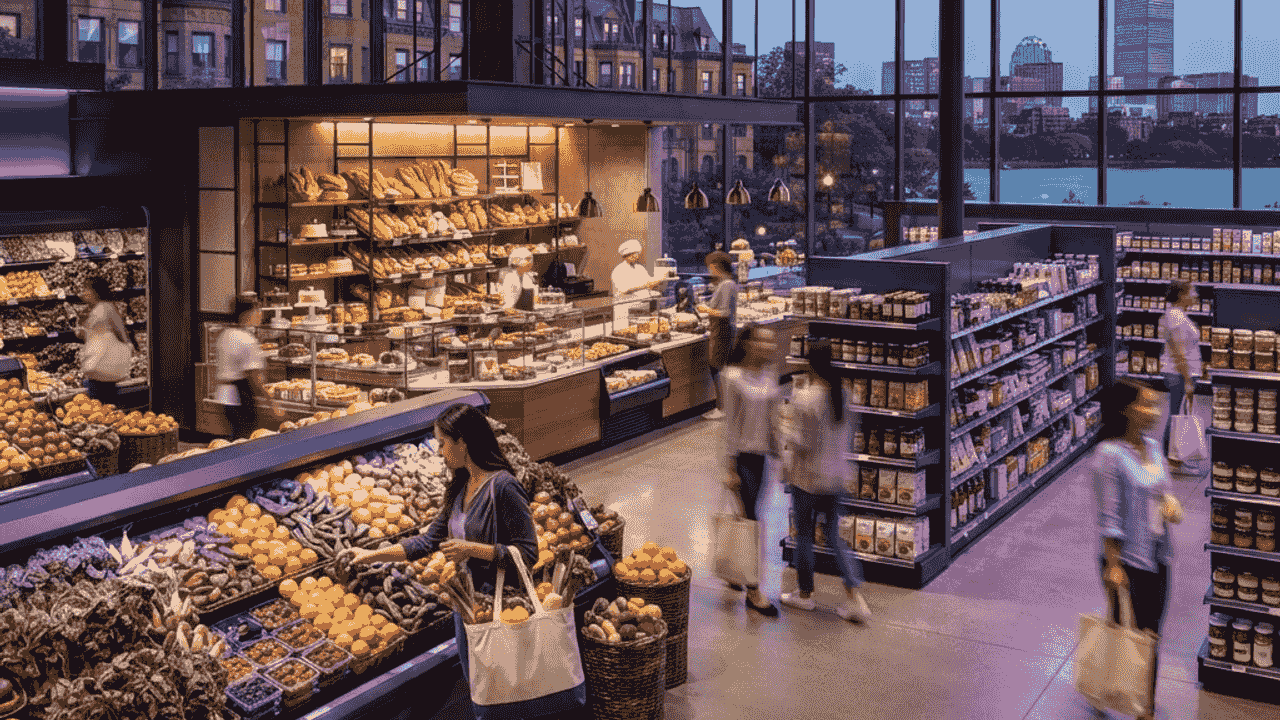
Grocery Shopping in a Diverse City
Boston's supermarket landscape is as varied as its neighborhoods, shaped by a population that ranges from busy students and young professionals to established families and international communities. This diversity has created a grocery market that balances affordability, quality, and specialty offerings. From large regional chains to natural food specialists, the city's supermarkets cater to a wide spectrum of tastes and budgets.
Understanding the strengths of each chain helps residents shop smarter. Some excel at everyday value, others at organic and natural products, and still others at international and specialty ingredients. The best supermarkets in Boston succeed by understanding their communities and stocking the products those communities want.
Regional Value Leaders
Several regional chains dominate Boston's grocery scene by offering strong value and dependable selection. Stores such as Market Basket have earned devoted followings for competitive pricing and wide variety, making them go-to destinations for families managing weekly budgets. Their reputation for affordability without sacrificing quality resonates deeply in cost-conscious households.
Other established supermarkets like Stop & Shop provide comprehensive selections, convenient locations, and loyalty programs that reward regular shoppers. These value leaders form the backbone of everyday grocery shopping in the region, offering the reliability and breadth that busy residents depend on throughout the year.
Natural and Organic Specialists
Boston's health-conscious population supports a robust market for natural and organic groceries. Chains such as Whole Foods Market and Trader Joe's have become fixtures, offering organic produce, natural products, and unique specialty items. These stores appeal to shoppers who prioritize quality ingredients, transparency, and wellness-focused options.
Beyond their product selection, these retailers cultivate distinctive shopping experiences. Trader Joe's is known for its curated, affordable specialty products and friendly atmosphere, while Whole Foods emphasizes premium quality and sustainability. Together, they reflect the city's growing interest in mindful, health-oriented eating.
International and Specialty Markets
Boston's cultural diversity is beautifully reflected in its international and specialty supermarkets. Markets specializing in Asian, Latin American, European, and Middle Eastern foods serve the city's many communities and adventurous home cooks. These stores offer authentic ingredients, hard-to-find products, and a sense of connection to global cuisines.
Such specialty markets are invaluable for shoppers seeking specific regional ingredients or wishing to explore new flavors. They add richness and variety to Boston's grocery options, ensuring that residents from all backgrounds can find the foods that feel like home. This diversity is one of the defining strengths of the city's supermarket scene.
Convenience, Delivery, and Modern Shopping
As lifestyles grow busier, convenience has become a major factor in grocery shopping. Many Boston supermarkets now offer online ordering, curbside pickup, and home delivery, allowing residents to shop on their own schedules. This shift toward digital convenience has become especially valuable in a fast-paced urban environment.
Smaller-format urban stores and neighborhood markets also play an important role, providing quick access to essentials for city dwellers without cars. This blend of large-format value stores, specialty markets, and convenient local options ensures that Boston residents can shop in whatever way best suits their needs.
Finding Your Ideal Supermarket
Choosing the right supermarket in Boston depends on individual priorities. Budget-focused families gravitate toward regional value leaders, while health-conscious shoppers favor natural and organic specialists. Those seeking authentic international ingredients turn to specialty markets, and busy residents appreciate stores with strong delivery and pickup options.
Ultimately, the best supermarket chains in Boston succeed by serving their communities thoughtfully. By offering the right combination of value, quality, variety, and convenience, they keep the city's diverse population well fed and satisfied, one grocery run at a time.
A Practical Boston Shopping Checklist
Before making a purchase, compare more than the headline price. Consider material quality, warranty or return terms, staff expertise, and whether the product fits the realities of life in Boston. Seasonal conditions can affect availability, so shopping ahead of peak winter, back-to-school, or holiday periods usually provides a broader selection and a less hurried experience. Visiting a store in person is particularly useful when fit, scale, color, texture, or technical performance matters. It also creates an opportunity to ask detailed questions and understand the services included after the sale.
Boston shoppers can often find the best overall value by combining a carefully researched investment purchase with more affordable supporting items. Pay attention to maintenance requirements and expected lifespan rather than judging value solely by initial cost. A well-made product that performs reliably for years may be the more economical and sustainable choice. Neighborhood context matters as well: Back Bay and the Seaport tend to emphasize premium national names, while Cambridge, the South End, and smaller commercial districts frequently reward shoppers with independent businesses and specialized expertise.
Finally, keep receipts, review care guidance, and understand exchange policies before leaving the store. Product availability and services can vary by location, even within the same chain. Taking a measured approach helps ensure that every purchase suits your needs, budget, and daily routine. Boston's strongest retailers distinguish themselves not only through what they sell, but through knowledgeable service, consistent quality, and the ability to build lasting customer trust.