
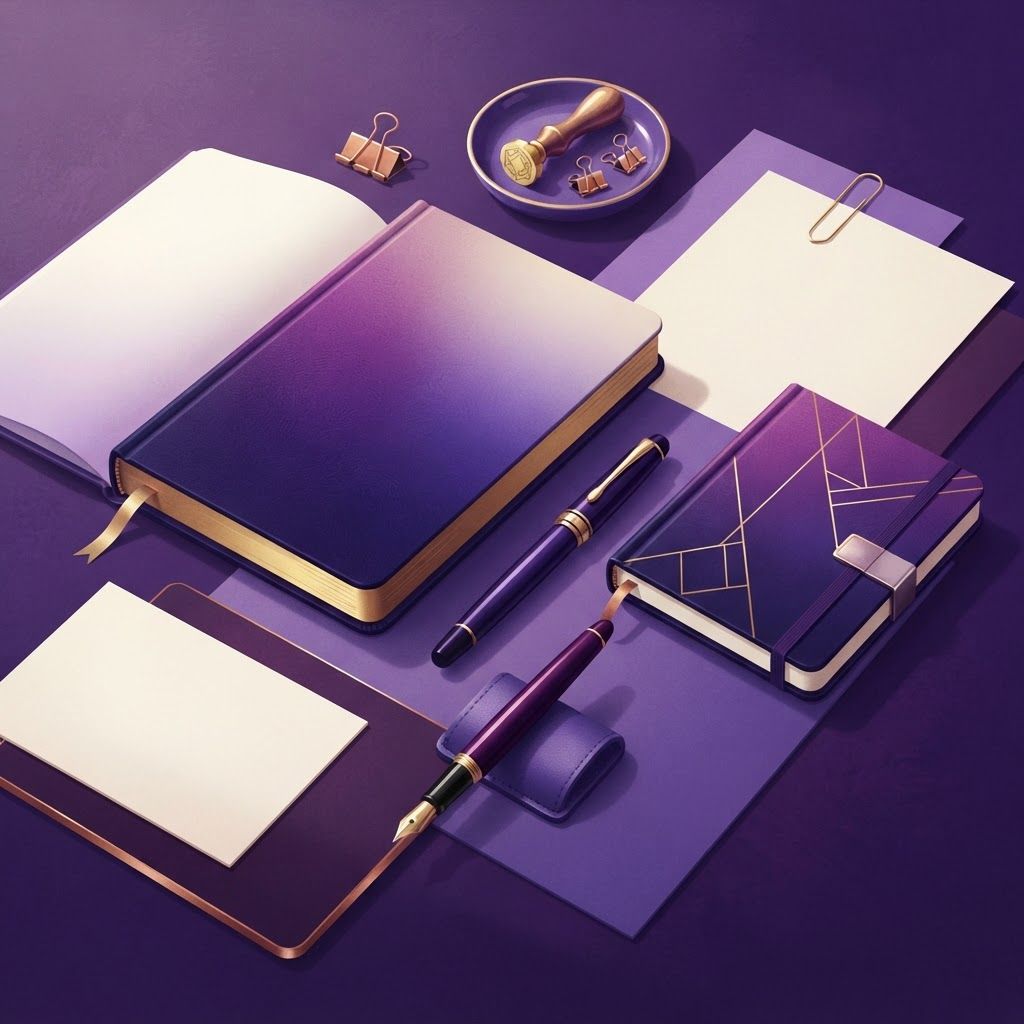
A Paper Culture Sustained by Students, Professionals, and Makers
Stationery has proven remarkably resistant to digital replacement, and Rochester illustrates why. The city hosts a large student population across several universities and colleges, a professional services sector that still relies on printed correspondence for legal and client-facing work, and a design and printmaking community with genuine technical depth. Add a strong local wedding and events market and the demand for quality paper goods becomes easy to understand.
What distinguishes serious stationery buyers here is attention to paper performance. Fountain pen users need paper that resists feathering and bleed-through. Designers care about weight, texture, and how a stock takes ink under letterpress or foil. Students want notebooks that survive a semester in a backpack through slush and snow. Those requirements push shoppers toward specific brands rather than generic office supply.
Ten Stationery Brands Worth Seeking Out
1. Rhodia. Rhodia's smooth, coated paper is a benchmark for fountain pen users because it resists feathering and shows ink shading accurately. Its pads and notebooks are widely used by writers, engineers, and designers who sketch and annotate constantly.
2. Leuchtturm1917. Popular with planners and journalers, Leuchtturm1917 offers numbered pages, indexes, and durable hardcover binding. Its structure suits the bullet journal method, which remains widely used by Rochester students and professionals managing complex schedules.
3. Moleskine. Moleskine's compact form factors, elastic closures, and consistent build quality made it the default premium notebook for a generation. Its expanded ruling options and specialty editions keep it relevant, and its pocket sizes travel well.
4. Midori and MD Paper. Japanese paper brands including Midori are prized for exceptionally smooth writing surfaces and minimalist design. The traveler's notebook system, with interchangeable inserts inside a leather cover, appeals to users who want one carry that adapts across projects.
5. Crane and Co. For formal correspondence, wedding invitations, and business stationery, Crane's cotton paper remains a standard. Its heavier stocks handle engraving and letterpress beautifully, and the tactile quality communicates a level of seriousness that digital communication cannot.
6. Rochester Letterpress and Print Studios. The region's independent letterpress and printmaking studios, supported in part by a strong local design and imaging heritage, produce custom invitations, greeting cards, and small-run business stationery. Working with a local studio means proofing on the actual stock and adjusting impression depth in person.
7. Field Notes. Field Notes built its reputation on pocket-sized memo books with genuine durability and a strong design sensibility. Its seasonal limited editions have created a collector following, and the format suits tradespeople, engineers, and anyone taking notes standing up.
8. Lamy. On the writing instrument side, Lamy offers well-engineered fountain and rollerball pens at approachable prices. Its entry-level fountain pens are among the most recommended starting points for anyone curious about the category, with reliable nibs and easy maintenance.
9. Papermate and Pilot. For everyday volume use, Pilot in particular delivers reliable gel and ballpoint performance that holds up on inexpensive paper. Students and offices burn through these, and consistency matters more than prestige at that scale.
10. Local Independent Card and Gift Shops. Rochester's independent stationers and gift shops curate greeting cards, notebooks, and desk accessories from small makers, including many regional artists. For anyone who wants stationery with local character, these shops are the most direct route.
What to Look For in Quality Paper
Paper weight, expressed in grams per square meter, is the first indicator. Lighter stocks around seventy to eighty are economical but prone to show-through with wet inks. Ninety to one hundred twenty performs well for fountain pens and double-sided writing. Heavier stocks are used for cards, invitations, and printing where rigidity matters.
Surface finish matters as much as weight. Coated and calendered papers feel smooth and keep lines crisp, which suits fine nibs and technical drawing. Textured and laid finishes provide character and are preferred for formal correspondence and letterpress, though they can catch fine pen tips.
Binding determines lifespan. Sewn bindings lie flat and survive repeated opening far better than glued blocks, and spiral binding suits notebooks that need to fold completely back. For a notebook that will be carried daily through a Rochester winter, a hardcover with a sewn block and a water-resistant cover is genuinely worth the premium.
Industry Trends
Analog note-taking has regained credibility as research continues to support handwriting for retention and focus, which has sustained demand among students and knowledge workers despite ubiquitous digital tools. Hybrid systems have emerged as a result, with users scanning handwritten pages into digital archives rather than choosing one medium.
Sustainability has become a purchasing factor, with recycled content, responsibly sourced pulp certification, and refillable formats now common across premium brands. Personalization has also become far more accessible; short-run digital printing and foil methods make custom business and event stationery viable at quantities that were once uneconomical.
Buying Advice for Rochester Shoppers
Test paper with your own pen before committing to a large purchase, especially if you use fountain pens or wet-ink gel pens. For events, order proofs on the final stock rather than approving a digital rendering, since color and texture shift noticeably between screen and paper. Order invitation materials well ahead of your timeline, as letterpress and foil work require lead time.
For daily use, buy the notebook format that matches how you actually work rather than the one that looks most appealing. A stationery system only delivers value if you carry it, open it, and fill it, and the brands above all offer formats designed for exactly that kind of sustained use.