
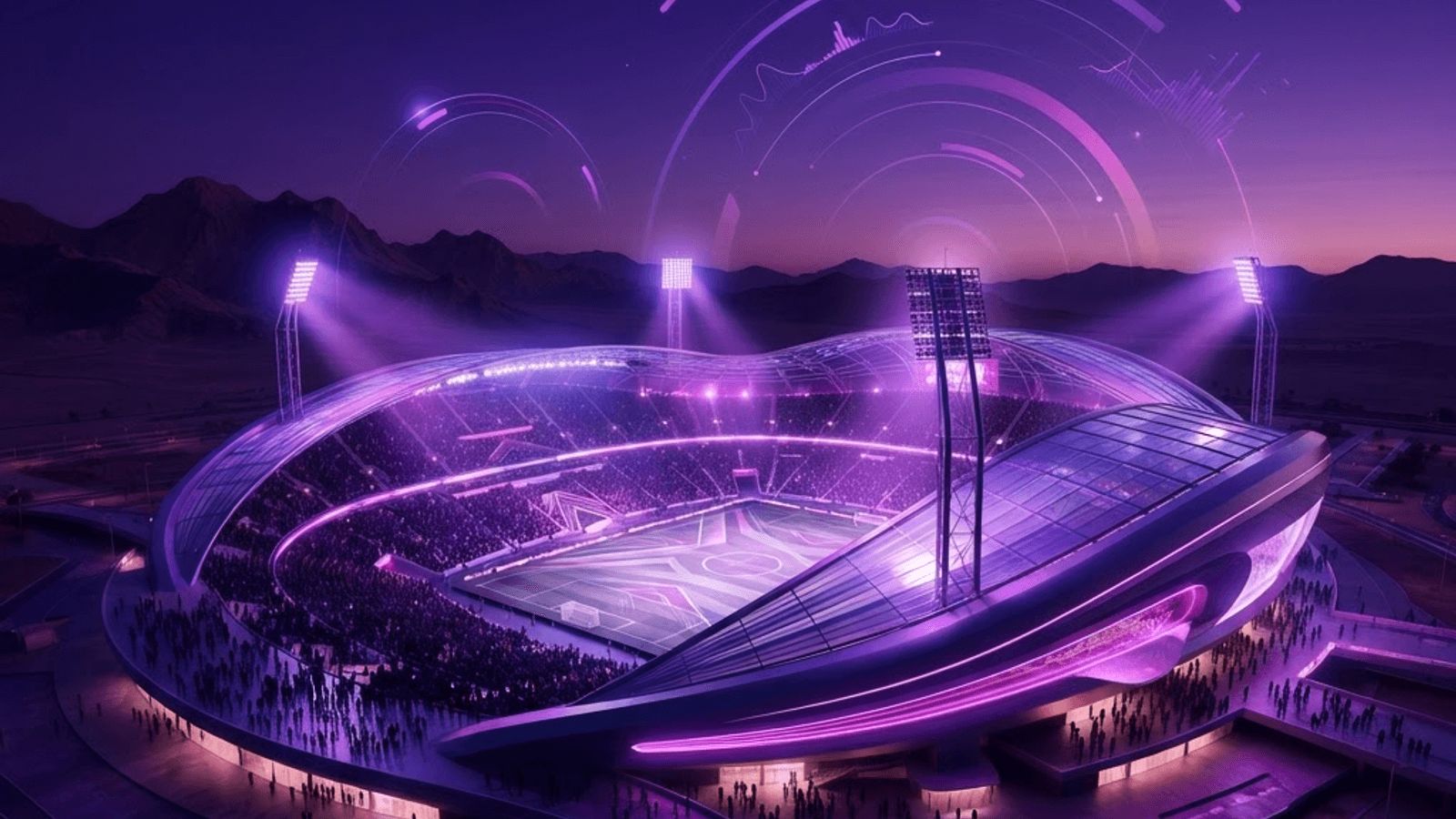
A Community With Real Sporting Infrastructure
Sunrise Manor occupies a large stretch of the eastern Las Vegas Valley, and its sporting landscape reflects that scale. Unlike neighborhoods defined by a single marquee venue, the area is served by a distributed network of facilities: large-capacity stadiums capable of hosting regional events, municipal ballfield complexes that run leagues from spring through fall, high school stadiums that draw substantial Friday night crowds, and multi-sport athletic parks designed for tournaments.
The desert climate shapes how these venues operate. Summer programming shifts heavily toward evening play, with lighting infrastructure becoming as important as seating. Shade structures over bleachers, misting systems in concourses, and hydration stations are not amenities here but necessities. The best facilities in the area have invested in all three, and the difference in spectator experience between a shaded, well-lit venue and an unshaded one is enormous in July.
What Makes a Stadium Worth the Trip
Sightlines come first. A well-designed venue elevates seating enough that spectators are not looking through a fence, and orients the field so that late-afternoon sun does not blind one side of the stands. Surface quality matters next: properly maintained natural turf or modern synthetic systems with adequate infill reduce injury and keep play consistent.
Beyond the field, evaluate access and amenities. Parking capacity relative to seating, restroom counts, concession variety, and accessible seating placement all determine whether an event feels well run. Lighting quality affects both play and viewing, and venues with modern LED systems deliver better uniformity with lower glare. Finally, look at programming: the strongest venues host a mix of school competition, youth leagues, adult recreation, and community events rather than sitting idle between rare marquee dates.
The Ten Best Stadiums and Athletic Venues
1. Desert Vista Regional Stadium
The largest venue serving the area, Desert Vista Regional Stadium hosts football, soccer, and track competition along with concerts and community festivals. Its elevated grandstand, covered concourse, and modern LED lighting system make it comfortable for evening events, and its track surface is certified for sanctioned competition. The concourse layout keeps circulation smooth even at capacity.
2. Valley Crest Athletic Complex
Valley Crest is a multi-field complex built for tournament play, with several full-size soccer and football fields, shared restroom and concession buildings, and enough parking to handle simultaneous events. Its layout allows organizers to run brackets across multiple fields without congestion, which has made it a regional draw for youth tournaments.
3. Sunrise Community Ballpark
A dedicated baseball and softball facility, Sunrise Community Ballpark features multiple diamonds radiating from a central hub, covered dugouts, shaded bleachers, and quality infield maintenance. Its lighting allows league play well past sunset through the summer, and its batting cages and practice areas support year-round training.
4. Mojave Field Sports Park
Mojave Field emphasizes flexibility, with large open turf areas that convert between soccer, lacrosse, rugby, flag football, and cricket configurations. The venue has grown alongside the valley's expanding interest in sports beyond the traditional American slate, and its accessibility to community groups is a defining feature.
5. Clark Ridge High School Stadium
One of the most atmospheric venues in the area, Clark Ridge High School Stadium draws large crowds for football and soccer. Its compact bowl keeps spectators close to the action, and recent upgrades to seating, sound, and lighting have modernized the experience while preserving the intensity that makes school competition compelling.
6. Silver Sage Track and Field Center
Purpose-built for athletics, Silver Sage features a full competition track, throwing circles, jump runways, and pits maintained to meet sanctioned standards. It hosts invitational meets and serves as a training base for club and school programs, and its early-morning access has made it popular with distance runners.
7. Eastside Aquatic and Sports Center
Combining a competition pool with adjacent outdoor courts and fields, Eastside Aquatic and Sports Center supports swimming, water polo, basketball, volleyball, and tennis. The variety of programming under one operational umbrella makes it a hub for families with athletes in multiple sports.
8. Horizon Youth Sports Arena
Horizon is an indoor facility with climate-controlled courts and a small-sided turf field, which makes it invaluable during the months when outdoor play becomes impractical. Its year-round programming in basketball, volleyball, and futsal fills a genuine gap in the local sports calendar.
9. Cactus Bloom Softball Complex
Cactus Bloom is dedicated to softball, with multiple diamonds, shaded spectator areas, and quality field maintenance that keeps infields playable through heavy league schedules. It hosts adult recreational leagues, youth travel tournaments, and school competition throughout the season.
10. Nevada Legacy Sports Grounds
Nevada Legacy Sports Grounds rounds out the list as a community-focused venue with open fields, walking paths, playground areas, and informal pickup space alongside organized field allocations. It serves the everyday recreational needs that formal stadiums cannot, and its integration with surrounding park space makes it a genuine neighborhood asset.
Trends in Venue Development
Shade and heat mitigation have become primary design considerations rather than afterthoughts, with covered seating, misting infrastructure, and heat-reflective surfacing appearing in nearly every renovation. LED lighting conversions have improved both play conditions and operating costs substantially. Synthetic turf adoption continues to grow because of water conservation pressure, though field temperature management remains a challenge in extreme heat. Multi-use design is now standard, with venues built to convert between sports and to host non-sporting community events. And digital ticketing, cashless concessions, and app-based parking have modernized the spectator experience across the valley.
Tips for Attending Events
Arrive early during summer months, when parking near shaded areas fills quickly. Check whether the venue permits outside water bottles, since hydration matters far more here than in temperate climates. Look for the shaded side of the stands, and note that fields oriented north-south generally offer better late-afternoon viewing than east-west orientations. Confirm bag policies in advance at larger venues. And for youth tournaments spanning full days, bring portable shade if the venue allows, since a full day of desert sun is genuinely demanding.
Taken together, the venues serving Sunrise Manor provide the infrastructure for a healthy local sports culture, spanning competitive school athletics, organized youth leagues, adult recreation, and casual community use. Continued investment in shade, lighting, and multi-use flexibility is what will keep them viable as the valley grows and summers intensify.