
The Grandeur of Stadiums in North Korea
Stadiums hold a special place in North Korea, serving as venues for sporting events, mass gatherings, and grand national celebrations. The country is home to some of the largest and most impressive stadiums in the world, reflecting a strong emphasis on athletics, spectacle, and collective participation. These venues are architectural landmarks that showcase scale, design, and engineering.
From football matches to large-scale performances, stadiums host a wide range of events. Their importance extends beyond sport, as they often serve as settings for major national occasions. The best stadiums combine impressive capacity with thoughtful design and functional facilities.
The Role of Stadiums in Sport and Society
Stadiums are central to the sporting culture of North Korea. Football is particularly popular, and stadiums across the country host competitive matches that draw enthusiastic crowds. Athletics, gymnastics, and other sports also find their home in these venues, supporting both competition and physical education.
Beyond sport, stadiums serve as venues for mass events and performances. Their vast capacity allows them to accommodate large audiences, making them ideal for occasions that bring people together. This dual role enhances their significance within the community.
Top 10 Stadiums
1. Rungrado May Day Stadium in Pyongyang is among the largest stadiums in the world, renowned for its enormous capacity and striking design.
2. Kim Il-sung Stadium is a historic venue in the capital, hosting football matches and major events.
3. Yanggakdo Stadium is a well-known Pyongyang venue used for various sporting competitions.
4. Sosan Stadium offers modern facilities and serves as a hub for athletics and football.
5. Hamhung Stadium anchors the eastern region with a strong sporting tradition.
6. Wonsan Stadium serves the coastal city with football and athletic events.
7. Sariwon Stadium is a central venue supporting regional sports.
8. Chongjin Stadium hosts competitions in the northeastern part of the country.
9. Kaesong Stadium serves the historic southern city with sporting events.
10. Sinuiju Stadium completes the list, supporting athletics in the northwest.
Architecture and Engineering
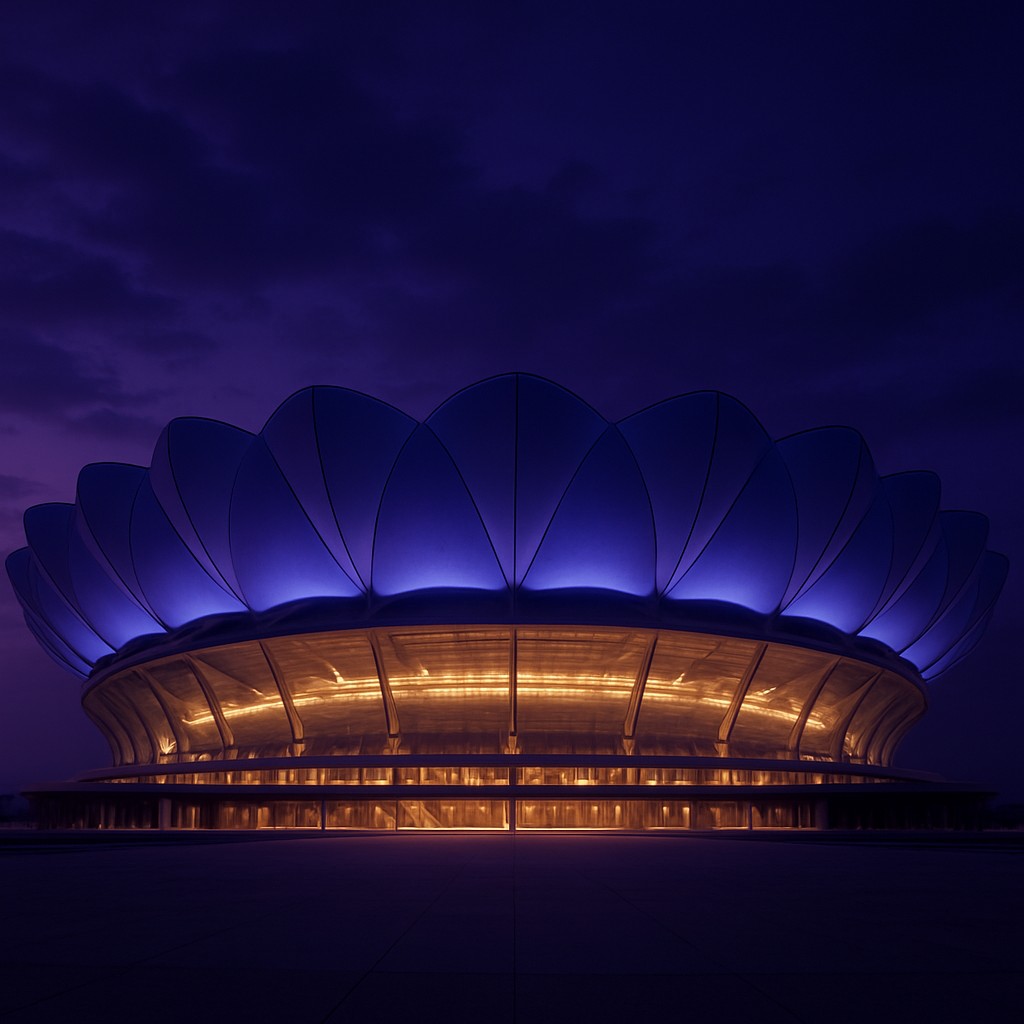
The stadiums of North Korea are notable for their architectural ambition. The Rungrado May Day Stadium, in particular, stands as an engineering marvel with its distinctive scalloped roof and immense seating capacity. These structures demonstrate a commitment to scale and visual impact.
Beyond their imposing exteriors, stadiums are designed to accommodate large crowds and host diverse events. Functional facilities, careful crowd management, and durable construction ensure that these venues serve their purpose effectively while making a powerful visual statement.
Hosting Major Events
Stadiums in North Korea are central to major national events, including mass gymnastic performances and large celebrations. These spectacles draw enormous audiences and require venues capable of accommodating both performers and spectators on a grand scale.
The ability to host such events reflects the versatility and capacity of these stadiums. They are more than sporting venues; they are stages for collective expression and national pride, playing an important role in the cultural life of the country.
The Significance of These Venues
The stadiums of North Korea are landmarks that embody the nation's emphasis on athletics, unity, and spectacle. Their scale and design make them notable structures, while their role in hosting sport and major events underscores their importance within society.
For visitors and residents alike, these venues represent impressive feats of construction and centers of communal activity. They stand as enduring symbols of the country's dedication to sport and collective celebration.
Conclusion
Stadiums in North Korea are remarkable structures that serve as venues for sport, performance, and national celebration. Through impressive architecture, vast capacity, and versatile facilities, these venues play a central role in the country's sporting and cultural life. The stadiums featured here represent the best in the nation, combining scale, design, and significance to host the events that bring people together.